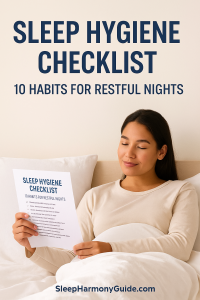
Sleep Hygiene Checklist: 10 Habits For Restful Nights (A Daily Routine That Works)
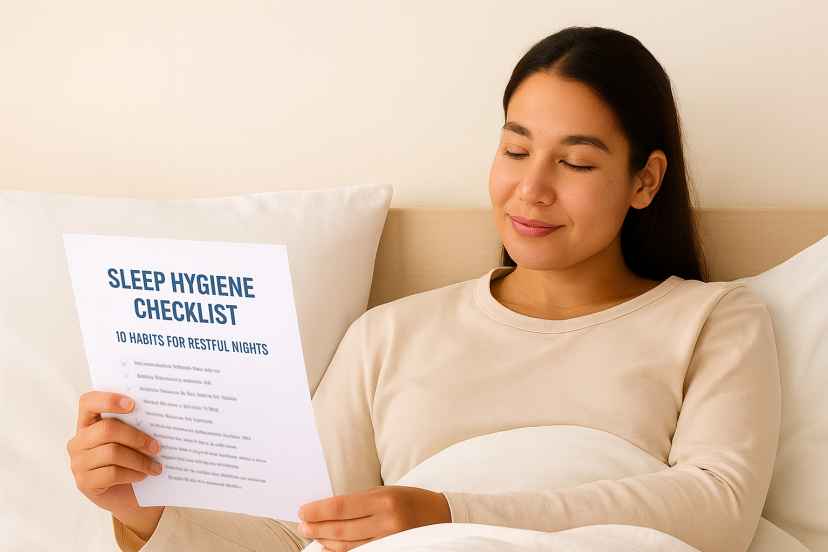
😴 Why Good Sleep Feels So Hard To Achieve
You’re tired. Your body wants sleep—but your mind won’t slow down. You lie in bed scrolling, replaying the day, or staring at the ceiling, hoping sleep will finally come. If this sounds familiar, you’re not broken—and you’re not alone.
For many people, poor sleep isn’t caused by one big issue. It’s the result of small daily habits working against your natural sleep rhythm. That’s where a sleep hygiene checklist becomes powerful. Instead of guessing what might help, you follow a simple, repeatable routine that trains your body and brain to sleep better over time.
This article breaks sleep hygiene down into clear, actionable habits you can use nightly—and even print or save as a checklist.
🧠 What Is Sleep Hygiene And Why Does It Matter
Sleep hygiene refers to the daily behaviors, routines, and environmental factors that support consistent, high-quality sleep.
✅ Good Sleep Hygiene Helps You:
-
Fall asleep faster
-
Stay asleep longer
-
Wake up feeling more refreshed
-
Reduce nighttime anxiety
-
Improve mood and focus
Poor sleep hygiene, on the other hand, often leads to insomnia, restless nights, and dependency on caffeine or naps.
A simple sleep hygiene checklist brings structure to your evenings—so your body knows exactly when it’s time to rest.
😖 Signs You May Need Better Sleep Hygiene
You don’t need a sleep disorder to benefit from better habits.
⚠️ Common Warning Signs
-
Trouble falling asleep most nights
-
Waking up tired after 7–8 hours
-
Racing thoughts at bedtime
-
Relying on screens to wind down
-
Afternoon crashes and irritability
If these sound familiar, improving good sleep habits can make a noticeable difference within weeks.
✅ The Ultimate Sleep Hygiene Checklist: 10 Habits For Restful Nights
Use this section as your daily reference. Each habit builds on the next to form a calming nightly routine.
🕒 Habit 1: Keep A Consistent Sleep And Wake Time
One of the most important healthy sleep tips is consistency.
Why It Matters
Your body loves predictability. Going to bed and waking up at the same time—even on weekends—strengthens your circadian rhythm.
✅ Checklist Action
-
Choose a realistic bedtime
-
Wake up within 30 minutes of the same time daily
-
Avoid “sleeping in” to catch up
Consistency beats perfection.
🌞 Habit 2: Get Morning Light Exposure
Light in the morning sets the stage for sleep later.
Why It Matters
Natural light tells your brain, “It’s daytime.” This helps melatonin rise at night when you want to sleep.
✅ Checklist Action
-
Step outside within 30–60 minutes of waking
-
Open curtains or blinds immediately
-
Use a light therapy box during the winter months
This simple habit improves nightly routine effectiveness.
☕ Habit 3: Limit Caffeine After Early Afternoon
Caffeine lingers longer than most people realize.
Why It Matters
Caffeine can stay in your system 6–8 hours, disrupting sleep onset even if you feel tired.
✅ Checklist Action
-
Stop caffeine by 1–2 PM
-
Watch hidden sources (tea, soda, chocolate)
-
Choose herbal teas later in the day
This is one of the most overlooked good sleep habits.
❄️ Habit 4: Create A Calming Evening Routine
🌿 Your body needs a transition from “go” mode to “rest” mode.
Why It Matters
A consistent nightly routine signals safety and relaxation to the nervous system.
✅ Checklist Action
-
Start winding down 60–90 minutes before bed
-
Dim lights
-
Do the same 3–4 calming activities nightly
Examples: reading, light stretching, journaling, or prayer.
🏥 Habit 5: Reduce Screen Time Before Bed
📱 Screens stimulate the brain and suppress melatonin.
Why It Matters
Blue light and mental stimulation delay sleep readiness.
✅ Checklist Action
-
Turn off screens 60 minutes before bed
-
Use Night Shift or blue light filters if needed
-
Replace scrolling with audio or reading
This habit alone often improves sleep within days.
🛋️ Habit 6: Optimize Your Sleep Environment
🛌 Your bedroom should cue sleep—not alertness.
Why It Matters
Temperature, light, and noise greatly affect sleep quality.
✅ Checklist Action
-
Keep room cool (around 65–68°F)
-
Use blackout curtains
-
Try white noise machines popular in the U.S.
-
Remove blinking electronics
The environment is a foundational part of any sleep hygiene checklist.
🧘♀️ Habit 7: Practice Relaxation Techniques At Bedtime
Calming the nervous system prepares the body for rest.
Why It Matters
Stress keeps cortisol high, blocking deep sleep.
✅ Checklist Action
-
4-7-8 breathing
-
Progressive muscle relaxation
-
Gentle stretching
-
Gratitude breathing
Even five minutes can dramatically reduce restlessness.
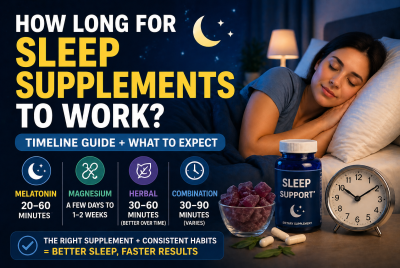
💊 Habit 8: Support Sleep With Natural Supplements (If Needed)
Supplements should support—not replace—good sleep habits.
✅ Melatonin
-
Helps regulate sleep timing
-
Useful for delayed sleep cycles
-
Typical dose: 0.5–3 mg
✅ Magnesium
-
Relaxes muscles and nerves
-
Supports deeper sleep
-
Best forms: glycinate or citrate
🌿 Herbal Teas
-
Lemon balm
-
Passionflower
Always choose reputable U.S. brands and start with low doses.
🏁 Habit 9: Avoid Heavy Meals And Alcohol Late At Night
🍷 Late digestion disrupts sleep stages.
Why It Matters
Heavy food and alcohol increase awakenings and heart rate variability.
✅ Checklist Action
-
Finish dinner 2–3 hours before bed
-
Choose light snacks if needed
-
Limit alcohol to early evening
This habit improves sleep quality—not just duration.
🧠 Habit 10: Train Your Brain To Associate Bed With Sleep
The bed should mean “sleep,” not stress.
Why It Matters
Lying awake trains the brain to expect alertness in bed.
✅ Checklist Action
-
Get out of bed if awake after 20 minutes
-
Do something calming until sleepy
-
Avoid working or scrolling in bed
This behavioral habit is key to chronic insomnia recovery.
🩺 When To See A Doctor Or Sleep Specialist
If you follow a sleep hygiene checklist consistently and still struggle, professional guidance may be needed.
⚠️ Seek Help If You Experience:
-
Insomnia lasting longer than 3 months
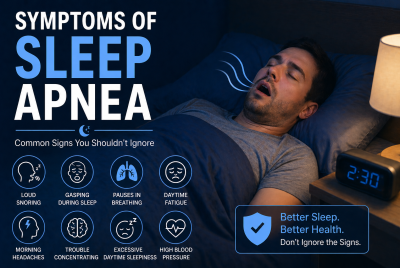
-
Loud snoring or breathing pauses
-
Extreme daytime sleepiness
-
Anxiety or depression impacting sleep
A sleep specialist can identify underlying disorders that habits alone can’t fix.
❓ FAQs: Sleep Hygiene Checklist
❓ What Is A Sleep Hygiene Checklist?
A sleep hygiene checklist is a set of daily habits that promote consistent, high-quality sleep.
❓ How Long Does It Take For Sleep Hygiene To Work?
Most people notice improvements within 1–3 weeks of consistency.
❓ Should I Follow All 10 Habits Every Night?
Start with 3–5 habits and build gradually for long-term success.
❓ Can Sleep Hygiene Help Insomnia?
Yes—sleep hygiene is a foundational approach for many insomnia cases.
❓ Is Napping Bad For Sleep Hygiene?
Long or late naps can interfere with nighttime sleep.
❓ What’s The Most Important Sleep Habit?
Consistency in sleep and wake times has the greatest impact.
❓ Can Supplements Replace Sleep Hygiene?
No—supplements work best alongside healthy sleep tips and routines.
🌟 Conclusion: Turn Sleep Into A Habit—Not A Struggle
Great sleep isn’t about luck. It’s about repetition. A simple sleep hygiene checklist turns scattered advice into a clear routine your body can follow every night.
You don’t need perfection. You need consistency. Choose a few habits tonight—and let restful sleep build naturally from there.
⚠️ Sleep Health Disclaimer
This content is for educational purposes only and does not replace professional medical advice. Consult a qualified healthcare provider before using supplements or addressing chronic sleep issues. Individual results may vary.
 Explore more:
- Sleep Anxiety: How To Calm Your Mind Before Bed And Finally Rest
- The Stages of Sleep Explained
- Why You Can’t Fall Asleep Even When You’re Tired