Sleep Anxiety: How To Calm Your Mind Before Bed And Finally Rest
😴 When Bedtime Triggers Anxiety Instead Of Rest
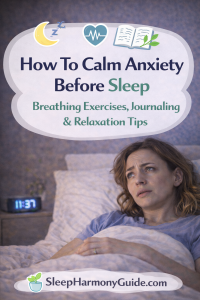
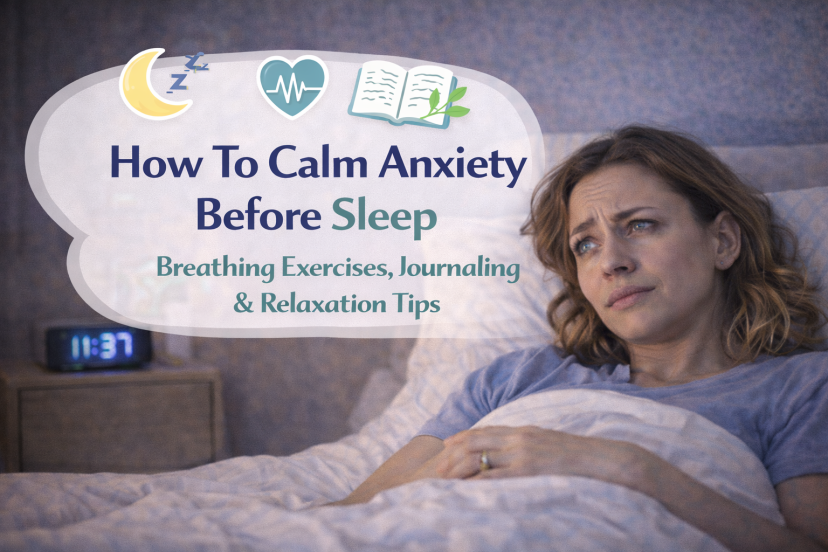
You’re exhausted. You want to sleep. But the moment you lie down, your mind starts racing. Thoughts replay, worries grow louder, and your body feels tense instead of relaxed. The clock ticks. Anxiety builds. Sleep feels further away by the minute.
If this sounds familiar, you’re not alone. Sleep anxiety affects millions of people and is one of the most common reasons for insomnia. Learning how to calm anxiety before sleep isn’t about forcing your mind to shut off — it’s about gently guiding your nervous system into a state of safety and rest.
This guide will walk you through the real causes of sleep anxiety, explain what’s happening in your brain and body at night, and share calming, research-backed strategies you can use tonight to feel more at ease.
🧠 What Is Sleep Anxiety And Why Does It Happen?
Sleep anxiety is a form of anticipatory stress that shows up at bedtime. Instead of relaxing, your mind stays alert — or even goes into overdrive.
🌿 Common Triggers Of Sleep Anxiety
-
Overthinking at night
-
Fear of not sleeping
-
Stressful life events
-
Past experiences with insomnia
Your brain begins to associate the bed with worry instead of rest. Over time, this pattern becomes automatic.
🌡️ The Role Of Stress Hormones At Night
One key reason sleep anxiety feels so intense is hormonal.
🧬 What’s Happening In Your Body
-
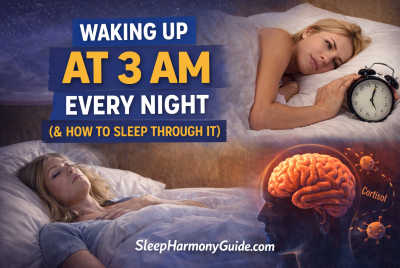
Stress hormones like cortisol stay elevated
-
The nervous system remains in “fight or flight.”
-
Heart rate and muscle tension increase
-
The brain stays alert when it should slow down
Understanding this makes it easier to learn how to calm anxiety before sleep without blaming yourself.
😣 Symptoms Of Anxiety Before Bed
Sleep anxiety can show up differently for each person.
🦵 Common Signs
-
Racing thoughts or mental chatter
-
Tight chest or shallow breathing
-
Restlessness or fidgeting
-
Fear of the upcoming night
These symptoms are uncomfortable — but they’re also reversible.
🌿 Why Trying Harder To Sleep Makes Anxiety Worse
One of the biggest traps with sleep anxiety is effort.
❌ What Often Backfires
-
Forcing yourself to relax
-
Watching the clock
-
Mentally begging for sleep
-
Panicking about tomorrow
Sleep happens when the nervous system feels safe — not pressured.
🌬️ Breathing Techniques To Calm Anxiety Before Sleep
Breathing is one of the fastest ways to send a “safe” signal to the brain.
🌿 Simple Breathing Exercise
-
Inhale through your nose for 4 seconds
-
Exhale slowly through your mouth for 6–8 seconds
-
Repeat for 5–10 minutes
This lowers stress hormones and helps your body shift toward rest.
🧘 Relaxation Exercises For Bedtime Calm
💪 Progressive Muscle Relaxation
This technique releases physical tension linked to anxiety.
How to do it:
-
Gently tense one muscle group for 5 seconds
-
Release fully for 10 seconds
-
Move from feet to head
Many people feel sleepy before finishing.
🧠 Guided Meditation For Sleep Anxiety
Guided meditation gives your mind something soothing to focus on — instead of worries.
🌿 Why It Helps
-
Reduces mental chatter
-
Encourages slower brain waves
-
Creates a sense of safety
Apps like Calm, Headspace, and Insight Timer are popular among U.S. readers for bedtime use.
✍️ Journaling To Clear Your Mind Before Bed
Writing is a powerful tool for calming bedtime anxiety.
📝 Try This 5-Minute Routine
-
Write down worries or tasks
-
Tell yourself they’re “handled tomorrow.”
-
Close the notebook and put it away
This simple ritual helps your brain stop problem-solving at night.
🌙 Visualization Techniques To Promote Relaxation
Visualization helps shift attention away from stress.
🌿 Calming Visualization Ideas
-
Floating on calm water
-
Sitting by a quiet lake
-
Watching slow-moving clouds
The brain responds to imagined calm similarly to real calm.
💊 Supplements That May Support Sleep Anxiety
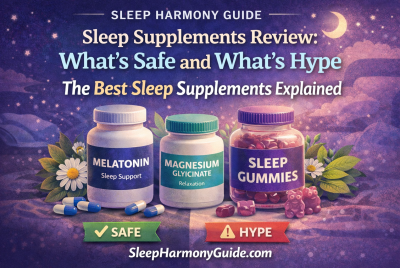
Supplements don’t replace habits — but they can support relaxation.
💊 Magnesium
-
Helps calm the nervous system
-
Supports muscle relaxation
-
May lower nighttime stress
Typical dose: 200–400 mg magnesium glycinate
💊 Melatonin
-
Helps regulate sleep timing
-
Useful if anxiety disrupts your schedule
-
Best for short-term use
Typical dose: 0.5–3 mg
🌿 Herbal Teas
-
Chamomile
-
Lemon balm
-
Passionflower
These gently support relaxation without strong side effects.
🌙 Lifestyle Changes That Reduce Bedtime Stress
🌿 Daytime Habits Matter
-
Morning sunlight exposure
-
Regular movement or walking
-
Balanced meals to stabilize blood sugar
Calmer days often lead to calmer nights.
🌙 Evening Habits To Prevent Sleep Anxiety
-
Dim lights after sunset
-
Avoid news and social media late
-
Create a predictable wind-down routine
Consistency trains your nervous system to relax.
🔇 Sleep Tools That Help Calm The Mind (U.S. Favorites)
✅ Helpful Options
-
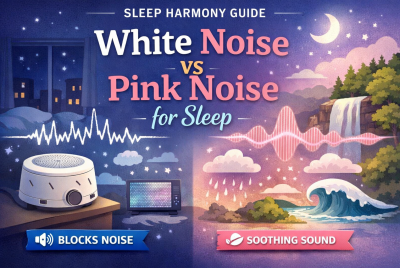
White noise machines (LectroFan, Hatch)
-
Sleep trackers (Fitbit, Oura Ring) — used gently
-
Guided audio or sleep stories
These tools work best when they reduce pressure, not increase monitoring.
🌿 Preventing Sleep Anxiety Long-Term
💪 Prevention Tips
-
Stop clock-watching
-
Focus on rest, not sleep
-
Keep a consistent bedtime window
-
Practice relaxation daily — not only at night
Learning how to calm anxiety before sleep is a skill that improves with repetition.
🩺 When To See A Doctor Or Sleep Specialist
Sometimes extra support is needed.
🚨 Seek Professional Help If
-
Anxiety before bed lasts longer than 3 months
-
Panic attacks occur at night
-
Sleep loss affects daily functioning
-
Depression symptoms are present
Cognitive Behavioral Therapy for Insomnia (CBT-I) and anxiety-focused therapy can be highly effective.
❓ FAQs: How To Calm Anxiety Before Sleep
❓ What Is The Best Way To Calm Anxiety Before Sleep?
Slow breathing, relaxation exercises, and consistent routines work best together.
❓ Can Guided Meditation Really Help Sleep Anxiety?
Yes. It reduces mental chatter and helps shift the brain into a calmer state.
❓ Does Magnesium Help With Anxiety At Night?
Magnesium supports nervous system relaxation and may reduce nighttime tension.
❓ Why Does Anxiety Get Worse At Bedtime?
Fewer distractions allow worries and stress hormones to surface.
❓ Should I Stay In Bed If I Feel Anxious?
If anxiety rises, briefly getting out of bed can reduce pressure and reset calm.
❓ Can Sleep Anxiety Go Away Naturally?
Yes. With consistent calming practices, many people regain peaceful sleep.
❓ Is Sleep Anxiety The Same As Insomnia?
Sleep anxiety often causes insomnia, but treating the anxiety usually improves sleep.
🌙 Conclusion: Calm Comes Before Sleep
Sleep anxiety can feel overwhelming, but it doesn’t mean something is wrong with you. It means your nervous system needs reassurance — not force.
By learning how to calm anxiety before sleep through breathing, relaxation exercises, guided meditation, and gentle routines, you give your body permission to rest. Progress may be gradual, but every calm night builds confidence for the next.
You don’t need to chase sleep. When calm returns, sleep follows.
⚠️ Sleep Health Disclaimer
This article is for educational purposes only and does not replace professional medical advice. Always consult a qualified healthcare provider before starting supplements or treatments for anxiety or sleep-related concerns.
 Explore more:
- How to Fall Asleep Faster Naturally
- How Many Hours of Sleep Do Adults Really Need?
- Sleep Paralysis Explained