Insomnia After Travel: How To Sleep After Jet Lag And Reset Your Body Clock
🌙 When Travel Steals Your Sleep
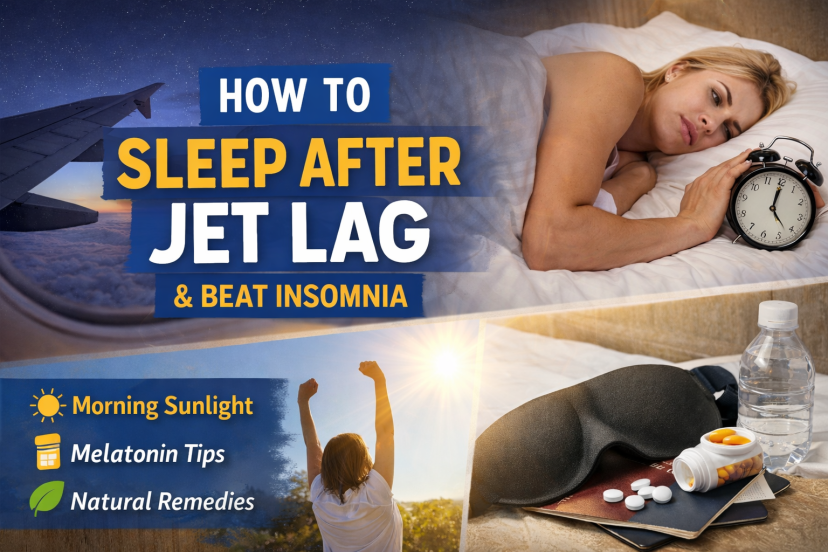
You finally arrive after a long flight—only to lie awake staring at the ceiling. Your mind races, your body feels wired but exhausted, and sleep just won’t come. If you’ve ever dealt with insomnia after travel, you’re not alone. Jet lag disrupts your internal clock, making it hard to fall asleep, stay asleep, or wake feeling refreshed.
The good news? You can realign your circadian rhythm with the right strategy. This guide breaks down how to sleep after jet lag using practical, research-backed steps—light exposure, smart naps, hydration, supplements, and calming routines—so you can recover faster and enjoy restful nights again.
✈️ What Causes Insomnia After Travel?
Jet lag happens when your internal body clock (circadian rhythm) is out of sync with local time. Crossing time zones quickly doesn’t give your brain time to adjust.
Common causes include:
-
Time-zone Adjustment issues that confuse sleep–wake signals
-
Light Exposure mismatches (bright light at the wrong time)
-
Melatonin Timing disruptions that delay sleepiness
-
Dehydration and cabin stress from long flights
-
Irregular meals and caffeine during travel
The more time zones you cross—especially eastbound—the stronger the effect.
⏰ Symptoms Of Jet Lag Insomnia
Jet lag affects more than just bedtime. You may notice:
-
Difficulty Falling Asleep at local bedtime
-
Early Morning Awakenings or fragmented sleep
-
Daytime Fatigue and brain fog
-
Mood changes, such as irritability or anxiety
-
Digestive Upset and low appetite
Recognizing these signs helps you choose the right recovery plan.
🌞 How To Sleep After Jet Lag: The 48–72 Hour Reset Plan
This simple, step-by-step plan helps most travelers reset within three days.

⭐ Day 1: Anchor Your Clock
-
Get Morning Sunlight for 20–30 minutes if traveling east
-
Stay Awake Until Local Bedtime, even if tired
-
Hydrate Aggressively with water and electrolytes
⭐ Day 2: Reinforce The Signal
-
Repeat Light Exposure at the same local time
-
Take Short Power Naps (20–30 minutes max, before 3 p.m.)
-
Eat Meals On Local Schedule to cue your body clock
✅ Day 3: Lock It In
-
Dim Lights At Night and avoid screens 90 minutes before bed
-
Keep Bedtime Consistent, even if sleep was rough before
This rhythm trains your brain to release sleep hormones at the right time.
🌞 Light Exposure: Your Most Powerful Tool
Light is the strongest driver of circadian rhythm.
Use it strategically:
-
Morning Light advances your clock (best for eastbound travel)
-
Evening Light delays your clock (use for westbound travel)
-
Avoid Bright Light Late At Night—use warm lamps or blue-light filters
If sunlight isn’t available, a 10,000-lux light therapy box can help U.S. travelers who arrive during winter or cloudy seasons.
💊 Melatonin Timing: Less Is More
Melatonin can help—if you time it correctly.
Best practices:
-
Dose: 0.3–1 mg (lower doses work better)
-
Timing: 2–3 hours before local bedtime
-
Duration: 2–4 nights only
Avoid taking melatonin too late, which can worsen morning grogginess and delay adjustment.
💧 Hydration And Nutrition For Faster Recovery
Dehydration intensifies jet lag symptoms.
Focus on:
-
Water First Thing In The Morning after arrival
-
Electrolytes to restore balance
-
Protein-Rich Breakfasts to signal daytime alertness
-
Light Dinners to avoid nighttime digestion stress
Limit alcohol and caffeine after noon local time—they fragment sleep.

🌿 Natural Sleep Remedies That Actually Help
🌿 Herbal Teas
-
Chamomile: Calming and gentle
-
Passionflower: Supports relaxation
-
Lemon Balm: Reduces nervous tension
💊 Magnesium
-
Magnesium Glycinate (200–400 mg) before bed can reduce restlessness and muscle tension.
😴 Relaxation Techniques
-
4-7-8 Breathing to lower heart rate
-
Progressive Muscle Relaxation to release tension
-
Body Scan Meditation to quiet racing thoughts
These tools support sleep without forcing it.
🛏️ Create A Travel-Friendly Sleep Environment
Your environment matters—especially in unfamiliar places.
Sleep-friendly upgrades for U.S. travelers:
-
White Noise Machines (LectroFan, Yogasleep)
-
Eye Masks And Blackout Curtains
-
Cool Room Temperature (65–68°F)
-
Sleep Trackers (Oura Ring, Fitbit) to monitor recovery
Consistency is more important than perfection.
🚫 What To Avoid When Resetting Your Clock
-
Long Daytime Naps that steal nighttime sleep
-
Late-Night Screen Use (blue light suppresses melatonin)
-
Heavy Late Meals
-
Sleeping in after a rough night
These habits slow circadian realignment.
🔍 What Is The 123 Sleep Rule?
The 123 sleep rule is a simple, science-backed guideline designed to improve sleep quality by reducing common nighttime disruptors. It means:
-
1 hour before bed: Stop work, emails, and mentally stimulating tasks to let your brain unwind.
-
2 hours before bed: Avoid heavy meals, alcohol, and intense exercise that can raise body temperature and delay sleep.
-
3 hours before bed: Eliminate caffeine, including coffee, tea, energy drinks, and chocolate.
By following the 123 sleep rule consistently, you help regulate your circadian rhythm, lower nighttime alertness, and make it easier to fall asleep naturally and stay asleep through the night.
🩺 When To See A Doctor
Consult a healthcare provider or sleep specialist if:
-
Jet Lag Insomnia Lasts More Than 2 Weeks
-
You Experience Severe Anxiety Or Depression after travel
-
You Rely On Sleep Medications to function
-
You Travel Frequently For Work, and your symptoms worsen
Chronic circadian rhythm disorders may require professional guidance.
❓ FAQs: How To Sleep After Jet Lag
1. How long does jet lag insomnia last?
Most people recover in 2–5 days, depending on time zones crossed and light exposure habits.
2. Should I force myself to stay awake?
Yes—staying awake until local bedtime helps reset your internal clock faster.
3. Is melatonin safe for jet lag?
Short-term use at low doses is generally safe for most adults.
4. Does exercising help with jet lag?
Light exercise in daylight helps, but avoid intense workouts at night.
5. Is jet lag worse going east or west?
Eastbound travel is usually harder because it shortens your day.
6. Can naps help with jet lag?
Short naps (20–30 minutes) can help—long naps delay recovery.
7. What’s the fastest way to adjust to a new time zone?
Morning light, consistent bedtime, hydration, and proper melatonin timing work best together.
✅ Conclusion: Restful Sleep Is Closer Than You Think
Jet lag insomnia can feel overwhelming, but your body is remarkably adaptable. By using light exposure, hydration, calming routines, and smart supplement timing, you can teach your brain how to sleep after jet lag—naturally and effectively. Start small, stay consistent, and trust that restful nights will return.
Your next trip doesn’t have to steal your sleep.

⚠️ Disclaimer
This article is for educational purposes only and does not replace medical advice. Always consult a qualified healthcare professional before starting supplements or if sleep problems persist.
 Explore more:
- How Many Hours Of Sleep Do Adults Need?
- Best Sleep Positions For Back, Neck & Shoulder Pain
- Yoga Before Bed