What Is the 123 Sleep Rule? A Simple Evening Formula for Deeper, Faster Sleep
❓ Why Simple Sleep Rules Work So Well
If you’ve ever climbed into bed feeling exhausted—yet somehow wide awake—you’re not alone. For millions of adults, the problem isn’t a lack of sleep opportunity. It’s a nervous system that never fully powers down.
That’s where structured, easy-to-remember sleep habits can help.
One method gaining attention for its simplicity and effectiveness is the 123 sleep rule. It’s not a supplement, medication, or rigid bedtime routine. Instead, it’s a timing-based framework that helps your body naturally transition from alertness into deep, restorative sleep.
So what is the 123 sleep rule? How does it work, and why does it help so many people fall asleep faster?
Let’s break it down.
🔍 What Is the 123 Sleep Rule?
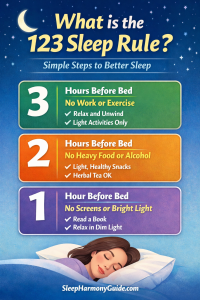
The 123 sleep rule is a behavioral sleep guideline that focuses on when to stop certain activities before bedtime rather than what to do in bed.
The rule is simple:
-
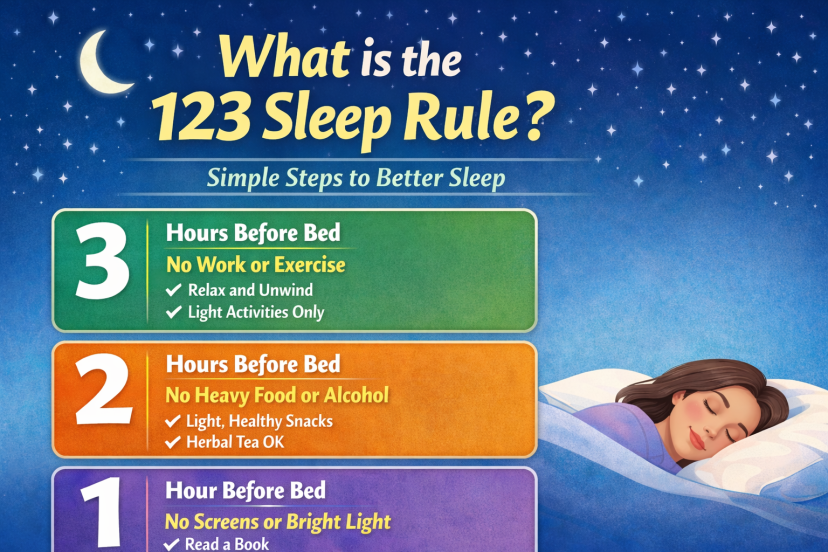
1 Hour Before Bed: no screens or bright light exposure
-
2 Hours Before Bed: no heavy meals or alcohol
-
3 Hours Before Bed: no intense work, exercise, or stress-inducing tasks
Each number supports a different biological process involved in sleep readiness.
Together, they help reduce sleep latency (the time it takes to fall asleep), improve sleep depth, and reduce nighttime awakenings.
🧠 Why Timing Matters More Than You Think
Sleep is not an on-off switch. It’s a gradual physiological process involving:
-
Melatonin release
-
Body temperature reduction
-
Nervous system downshifting
-
Cortisol suppression
When late-night habits interfere with these processes, the brain stays in “day mode,” even if you feel tired.
The 123 sleep rule works because it aligns your behavior with your circadian rhythm, instead of fighting it.
💪 The “3” Rule: No Intense Work or Exercise 3 Hours Before Bed
Three hours before bedtime is when your body begins its natural transition into evening mode.
Why this matters
High-intensity activities increase:
-
Cortisol
-
Adrenaline
-
Heart rate
-
Core body temperature
All of these signal alertness to the brain.
Even activities that seem productive—like answering emails or finishing work—can delay sleep readiness.
Common mistakes people make
-
Late-night workouts
-
Stressful conversations
-
Problem-solving tasks
-
News consumption
What to do instead
-
Light stretching or yoga
-
Gentle walking
-
Organizing for tomorrow
-
Calm hobbies (reading, drawing, folding laundry)
This phase is about lowering stimulation, not forcing relaxation.
🥗 The “2” Rule: No Heavy Meals or Alcohol 2 Hours Before Bed
Digestion and sleep compete for resources.
When your digestive system is active late at night, sleep quality suffers—even if you fall asleep quickly.
Why heavy meals disrupt sleep
-
Increased acid reflux
-
Elevated heart rate
-
Blood sugar fluctuations
-
Nighttime awakenings
Alcohol is especially deceptive. While it may make you feel sleepy, it:
-
Suppresses REM sleep
-
Increases early awakenings
-
Dehydrates the body
-
Worsens snoring and sleep apnea
Better evening nutrition habits
-
Light snacks only if needed
-
Protein + complex carbs in small portions
-
Avoid spicy or sugary foods
Examples of sleep-friendly snacks:
-
Greek yogurt with berries
-
Banana with almond butter
-
Oatmeal with cinnamon
🖥️ The “1” Rule: No Screens or Bright Light 1 Hour Before Bed
This is the most well-known—and often the hardest—part of the 123 sleep rule.
Why screens are such a problem
Phones, tablets, TVs, and laptops emit blue light, which:
-
Suppresses melatonin
-
Delays circadian signaling
-
Increases mental stimulation
Even “night mode” settings don’t fully eliminate the effect.
Mental stimulation matters too
It’s not just the light. Screens also:
-
Trigger emotional responses
-
Activate reward pathways
-
Encourage doom-scrolling
What to do instead
-
Read a physical book
-
Take a warm shower
-
Practice breathing exercises
-
Listen to calm music or sleep stories
This final hour is about creating a clean mental landing strip for sleep.
⚙️ How the 123 Sleep Rule Helps With Insomnia
Insomnia often isn’t caused by a single issue. It’s a pattern of overstimulation, poor timing, and nervous system dysregulation.
The 123 sleep rule addresses all three.
Benefits for insomnia sufferers
-
Shorter time to fall asleep
-
Fewer nighttime awakenings
-
Reduced bedtime anxiety
-
Improved sleep consistency
Because the rule focuses on behavioral timing, it’s especially helpful for:
-
Stress-related insomnia
-
Screen-induced sleep issues
-
Light sleepers
-
People with racing thoughts at night
💡 The 123 Sleep Rule and Anxiety at Night
Nighttime anxiety thrives on stimulation.
When the brain doesn’t get clear signals that the day is ending, it fills the silence with worry.
The 123 sleep rule helps by:
-
Creatinga predictable evening structure
-
Reducing cognitive load
-
Lowering nervous system arousal
This predictability is calming—especially for anxious sleepers.
🧘♀️ How Long Does It Take to See Results?
Most people notice changes within 5–10 days of consistent practice.
Initial improvements may include:
-
Feeling sleepy earlier
-
Less tossing and turning
-
Fewer middle-of-the-night wakeups
Deeper sleep improvements often appear after 2–3 weeks, once circadian rhythms stabilize.
🔊 Common Mistakes When Using the 123 Sleep Rule
The rule is simple—but consistency matters.
Mistakes to avoid
-
Following it only on weekdays
-
Replacing screens with stressful activities
-
Eating “light” snacks that are actually sugary
-
Doing intense exercise “just this once” at night
Sleep routines work best when they’re boring, repetitive, and predictable.
🧑 How to Customize the 123 Sleep Rule for Your Lifestyle
Not everyone has the same schedule—and that’s okay.
⚡ For night owls
-
Shift the timing gradually
-
Apply the rule relative to your bedtime, not the clock
🙌 For parents
-
Use partial implementation when needed
-
Focus on the 1-hour screen rule first
⭐ For shift workers
-
Anchor the rule to your main sleep window
-
Use blackout curtains and light control
The goal is progress, not perfection.
📅 123 Sleep Rule vs Other Sleep Rules
You may have heard of other sleep frameworks, such as:
-
Consistent bedtime rules
-
No caffeine after noon
-
Bedroom temperature guidelines
The 123 sleep rule complements these—it doesn’t replace them.
It works best as part of a sleep hygiene foundation that includes:
-
A cool, dark bedroom
-
Consistent wake times
-
Morning light exposure
💊 Can the 123 Sleep Rule Replace Sleep Medication?
For some people with mild to moderate sleep issues, yes.
For others, it works best as a supportive strategy alongside professional guidance.
If insomnia is chronic, severe, or worsening, behavioral tools should be combined with a medical evaluation.
🩸 Tips to Make the 123 Sleep Rule Easier to Follow
-
Set phone reminders
-
Dim lights automatically in the evening
-
Prep snacks earlier
-
Schedule workouts earlier in the day
-
Create a relaxing pre-bed ritual
Sleep improves when your environment supports your intentions.
❓ FAQs About the 123 Sleep Rule
What is the 123 sleep rule in simple terms?
It’s a timing-based sleep guideline: no intense activity 3 hours before bed, no heavy food or alcohol 2 hours before bed, and no screens 1 hour before bed.
Does the 123 sleep rule really work?
Yes, especially for people whose sleep problems are caused by overstimulation, stress, or poor evening habits.
Can I still watch TV if it relaxes me?
It may feel relaxing, but screens still disrupt melatonin. Audio-only options are usually better.
Is the 123 sleep rule good for anxiety?
Yes. Its structure helps calm the nervous system and reduce nighttime rumination.
How strict do I need to be?
Consistency matters more than perfection. Aim for most nights, not every night.
Can I drink herbal tea during the 2-hour window?
Yes. Non-caffeinated, non-sugary teas are generally fine.
Is the 123 sleep rule safe for everyone?
Yes. It’s a behavioral guideline, not a medical treatment.
📌 Final Thoughts: Small Timing Changes, Big Sleep Improvements
The beauty of the 123 sleep rule is that it doesn’t ask you to force sleep.
Instead, it removes the obstacles that prevent sleep from happening naturally.
By adjusting when you eat, move, work, and disconnect, you give your body the signals it needs to rest deeply.
If your nights feel wired, restless, or unpredictable, this simple rule may be the reset your sleep has been waiting for.
 Sleep Health Disclaimer
This article is for informational purposes only and does not provide medical advice. Consult a healthcare professional before starting supplements, treatments, or therapies, especially if you have chronic insomnia or underlying health conditions.
 Explore more:
- Sleep Hygiene Checklist: 10 Habits For Restful Nights
- Why You Wake Up Tired Even After 8 Hours of Sleep
- Anxiety And Insomnia: Breaking The Cycle