Anxiety And Insomnia: Breaking The Cycle And Reclaiming Restful Sleep
😴 When Your Mind Won’t Let You Sleep
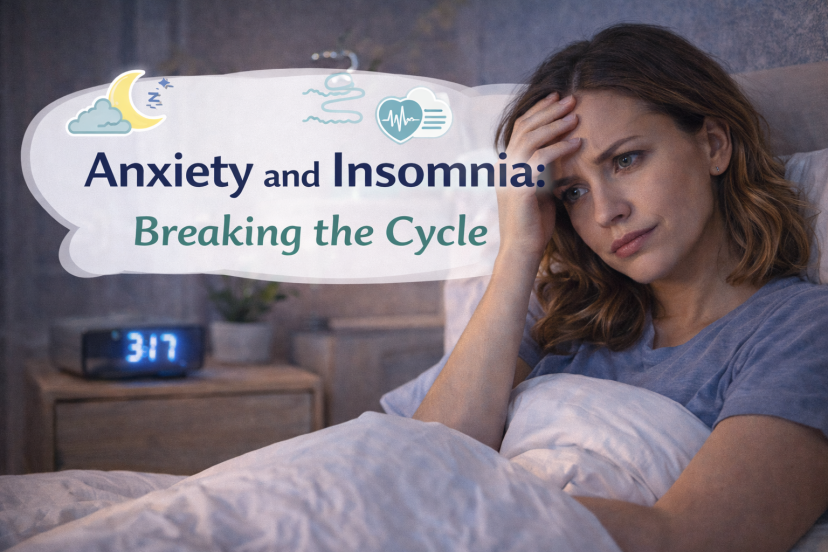
You finally crawl into bed, exhausted. Your body is tired — but your mind is wide awake. Thoughts race. Worries replay. Tomorrow’s to-do list won’t shut off. The harder you try to sleep, the more anxious you feel.
If this sounds familiar, you’re not broken — you’re stuck in a very common loop. Anxiety and insomnia are deeply connected, and together they can create a frustrating cycle that steals both your nights and your energy during the day.
The good news? This cycle can be broken. With the right mind-body strategies, calming routines, and lifestyle changes, you can lower nighttime stress, quiet racing thoughts, and gently guide your body back toward natural sleep.
🧠 Understanding The Link Between Anxiety And Insomnia
Anxiety and insomnia don’t just happen at the same time — they actively reinforce each other.
🌿 How Anxiety Triggers Sleeplessness
-
Worry activates the nervous system
-
Stress hormones rise instead of falling
-
The brain stays alert when it should relax
-
Falling asleep becomes difficult
🌙 How Insomnia Worsens Anxiety
-
Poor sleep lowers emotional resilience
-
Fatigue increases worry and irritability
-
Fear of “another bad night” builds
-
Bedtime itself becomes stressful
Over time, anxiety and insomnia form a feedback loop that can feel impossible to escape — but understanding it is the first step toward change.
⚡ The Role Of Racing Thoughts At Night
One of the most common symptoms linking anxiety and insomnia is racing thoughts.
🧠 What Racing Thoughts Feel Like
-
Mentally replaying conversations
-
Worrying about health, work, or family
-
Anticipating worst-case scenarios
-
Feeling mentally “wired” but exhausted
At night, distractions disappear — and the mind fills the silence with worry.
🌡️ Cortisol At Night: Why Stress Hormones Matter
Your body follows a daily rhythm. Cortisol, the main stress hormone, should be high in the morning and low at night. But anxiety disrupts this pattern.
🌿 When Cortisol Stays High At Night
-
The body stays in “alert mode.”
-
Heart rate and muscle tension increase
-
Sleep onset is delayed
-
Nighttime awakenings become more common
Elevated cortisol at night is a key biological reason anxiety and insomnia are so tightly linked.
🧠 Psychological Triggers That Fuel Anxiety And Insomnia
🦵 Common Mental Triggers
-
Perfectionism
-
Fear of losing control
-
Overthinking mistakes
-
Catastrophic thinking
🌿 Emotional Triggers
-
Chronic stress
-
Unprocessed emotions
-
Work or financial pressure
-
Health anxiety
These triggers don’t disappear at bedtime — they often become louder.
🌿 How Stress Management Improves Sleep
Effective stress management isn’t about eliminating anxiety — it’s about teaching your nervous system that it’s safe to rest.
✅ Why Stress Reduction Helps Sleep
-
Lowers cortisol at night
-
Activates the parasympathetic (“calm”) response
-
Reduces racing thoughts
-
Makes sleep feel less forced
Small, consistent changes matter more than big, perfect ones.
🌬️ Calming Techniques That Break The Anxiety–Insomnia Cycle
🌿 Breathing Exercises For Nighttime Anxiety
Slow breathing sends a powerful signal to the brain that danger has passed.
Try this simple method:
-
Inhale through your nose for 4 seconds
-
Hold for 2 seconds
-
Exhale slowly for 6 seconds
-
Repeat for 5–10 minutes
This technique lowers cortisol at night and reduces racing thoughts.
🧘 Progressive Muscle Relaxation For Sleep
Anxiety often hides in the body.
💪 How To Practice
-
Tense one muscle group for 5 seconds
-
Release completely for 10 seconds
-
Move slowly from feet to head
This method helps break the physical side of anxiety and insomnia.
🌙 Cognitive Strategies For Racing Thoughts
Trying to “stop thinking” usually backfires. Instead, redirect your thoughts gently.
🧠 Helpful Mindset Shifts
-
“Rest is still beneficial, even if I don’t sleep.”
-
“My body knows how to sleep.”
-
“This feeling will pass.”
Reducing pressure around sleep is one of the most effective ways to calm anxiety and insomnia.
🌿 Supplements That May Support Anxiety And Insomnia
Supplements don’t cure anxiety, but they can support relaxation when used wisely.
💊 Magnesium
-
Supports a nervous system calm
-
Helps reduce muscle tension
-
May lower cortisol at night
Typical dose: 200–400 mg, magnesium glycinate preferred
💊 Melatonin
-
Supports sleep timing
-
Helpful for stress-shifted schedules
-
Not ideal for chronic anxiety alone
Typical dose: 0.5–3 mg, short-term use
🌿 Herbal Teas
-
Chamomile
-
Lemon balm
-
Passionflower
These gently support stress management without strong side effects.
🌙 Lifestyle Changes That Calm Anxiety And Improve Sleep
🌿 Daytime Habits Matter
-
Morning sunlight exposure
-
Regular movement or walking
-
Balanced meals to stabilize blood sugar
Anxiety and insomnia often improve when the whole day supports sleep, not just bedtime.
🌙 Evening Habits That Lower Cortisol At Night
-
Dim lights after sunset
-
Avoid news and social media late
-
Create a predictable wind-down routine
Consistency trains your nervous system to expect rest.
🔇 Tools That Help Anxious Sleepers (U.S. Favorites)
Many people with anxiety and insomnia benefit from gentle sleep tools.
✅ Popular Options
-
White noise machines (LectroFan, Hatch)
-
Sleep apps with guided relaxation (Calm, Headspace)
-
Sleep trackers (Fitbit, Oura Ring) — used without obsession
These tools work best as support, not control mechanisms.
🧠 Preventing Anxiety And Insomnia Long Term
🌿 Prevention Tips
-
Address stress early in the day
-
Limit caffeine after early afternoon
-
Keep a consistent sleep schedule
-
Practice emotional regulation regularly
Prevention focuses on building resilience — not perfection.
🩺 When To See A Doctor Or Sleep Specialist
While lifestyle changes help many people, professional support is sometimes needed.
🚨 Seek Help If
-
Anxiety and insomnia last longer than 3 months
-
Panic attacks occur at night
-
Daytime functioning is impaired
-
Depression symptoms are present
Cognitive Behavioral Therapy for Insomnia (CBT-I) and anxiety-focused therapy are highly effective options.
❓ FAQs About Anxiety And Insomnia
❓ How Are Anxiety And Insomnia Connected?
Anxiety activates stress hormones that interfere with sleep, while poor sleep increases anxiety the next day.
❓ Can Anxiety Cause Racing Thoughts At Night?
Yes. Anxiety often intensifies at night when distractions are gone, leading to racing thoughts.
❓ Does High Cortisol At Night Cause Insomnia?
Yes. Elevated cortisol keeps the body alert instead of relaxed.
❓ Can Magnesium Help Anxiety And Insomnia?
Magnesium supports a calm nervous system and may help reduce nighttime stress.
❓ Is Melatonin Good For Anxiety-Related Insomnia?
It may help with sleep timing, but it doesn’t treat anxiety directly.
❓ What’s The Best Stress Management Technique For Sleep?
Slow breathing, relaxation exercises, and consistent routines work best together.
❓ Can Anxiety-Related Insomnia Go Away Naturally?
Yes. With the right mind-body strategies, many people restore healthy sleep without medication.
🌙 Conclusion: You Are Not Broken — You Are Stuck In A Pattern
Anxiety and insomnia can feel overwhelming, but they are not permanent. They are learned patterns — and anything learned can be gently unlearned.
By calming your nervous system, lowering cortisol at night, managing racing thoughts, and supporting your body with healthy routines, you can break the cycle. Progress may feel slow at first, but every small step toward calm creates space for sleep to return naturally.
Rest is not something you force — it’s something you allow.
⚠️ Sleep Health Disclaimer
This article is for educational purposes only and does not replace professional medical advice. Always consult a qualified healthcare provider before starting supplements, therapies, or treatment for anxiety, insomnia, or other health conditions.
 Explore more:
- Sleep Hygiene Checklist: 10 Habits For Restful Nights
- Why You Wake Up Tired Even After 8 Hours of Sleep
- Why You Can’t Fall Asleep Even When You’re Tired