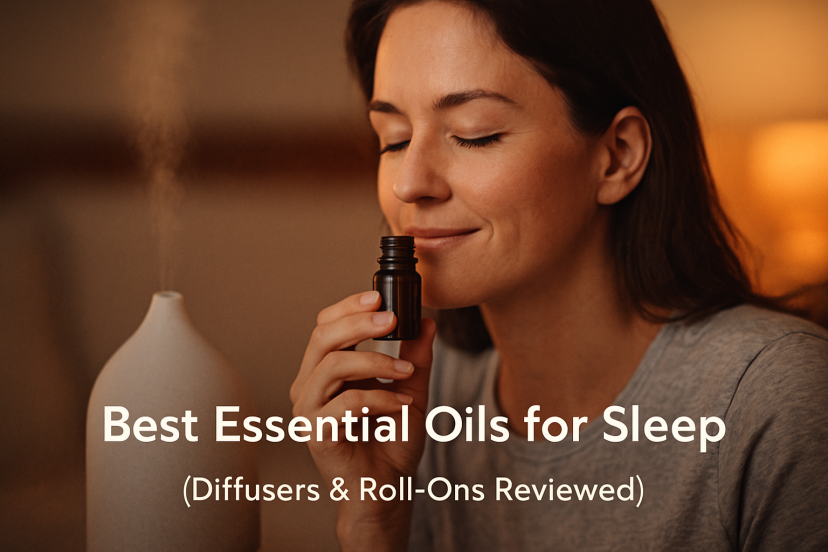
Best Essential Oils for Sleep Diffusers & Roll-Ons Reviewed
🌙 When Your Mind Won’t Shut Off
If you’ve ever climbed into bed exhausted—only to lie there with racing thoughts, tight shoulders, or a body that just won’t relax—you’re not alone. Millions of U.S. adults report trouble falling asleep due to stress, restlessness, anxiety, and constant overstimulation from screens and busy routines.
Aromatherapy has become a gentle, natural way to unwind, especially for those who want a non-habit-forming sleep solution. But with so many options available—lavender oil, diffuser blends, roll-ons, pillow sprays—how do you know which ones truly help?
This guide breaks down the best essential oils for sleep, including how they work, which blends are most effective, and how to use aromatherapy sleep aids safely and consistently for better rest.
🌿 How Aromatherapy Supports Sleep
Aromatherapy uses plant-based oils to influence the limbic system—the area of the brain responsible for emotion, stress, and relaxation. Certain scents can:
-
Slow the heart rate
-
Reduce nighttime anxiety
-
Support melatonin production
-
Relax muscles
-
Calm an overactive mind
When used correctly, the best essential oils for sleep can help you fall asleep faster and stay asleep longer.
🌿 Best Essential Oils for Sleep (Full Reviews)
🟣 Lavender Oil (Most Popular Sleep Oil in the U.S.)
Lavender is the #1 aromatherapy sleep aid for good reason. Research shows it helps reduce anxiety, steady breathing, and calm the nervous system.
Benefits
-
Promotes deep relaxation
-
Reduces nighttime restlessness
-
Helps stabilize the circadian rhythm
-
Naturally calming scent
How to Use
-
4–6 drops in a diffuser
-
Roll-on applied to wrists, temples, or chest
-
Add to a warm bath before bed
-
Mix with water in a simple pillow spray
Why It’s Effective
Lavender contains linalool and linalyl acetate—compounds shown to help the brain transition into a restful state.
🌿 Chamomile Essential Oil (Gentle & Soothing)
Often used as tea before bed, chamomile oil also works beautifully in diffusers or blends.
Benefits
-
Calms the nervous system
-
Reduces stress-driven insomnia
-
Helps quiet racing thoughts
Best For
People who feel mentally overstimulated at night or who deal with emotional tension.
🌿 Bergamot (Citrus Oil for Anxiety Relief)
Unlike energizing citrus oils like lemon or orange, bergamot has a unique calming effect.
Benefits
-
Eases worry and tension
-
Helps transition into a pre-sleep state
-
Supports steady breathing
Application Tips
Use bergamot before bedtime, not during sleep, since citrus oils can sometimes be stimulating.
🌿 Cedarwood (Grounding & Earthy)
Cedarwood has a warm, woody scent that many people find deeply grounding.
Benefits
-
Encourages stillness and calm
-
Helps slow overthinking
-
Excellent for nighttime meditation
Usage
-
Diffuser
-
Roll-on mixed with a carrier oil
-
Blended with lavender for a stronger effect
🌿 Vetiver (Deep Relaxation Oil)
Vetiver is a strong, earthy oil often used for anxiety relief.
Benefits
-
Soothes the nervous system
-
Helps the body enter deeper sleep
-
Excellent for chronic restlessness
Best Used As
-
Bottom of your feet
-
Roll-on blends
-
Bedtime diffuser oil
🌿 Frankincense (Calming for Mind & Breath)
Frankincense slows the breath and promotes emotional balance.
Benefits
-
Ideal for meditation
-
Reduces tension
-
Supports deeper inhalation and relaxation
Best Uses
Mix with lavender or chamomile for a calming nighttime blend.
🌙 Best Diffuser Blends for Sleep
1. Lavender + Cedarwood (Deep Sleep Blend)
Perfect for stressful days, this blend is grounding and calming.
Recipe:
-
3 drops lavender
-
2 drops cedarwood
-
1 drop vetiver
2. Chamomile + Bergamot (Stress Release Blend)
Soft and floral, this blend melts tension.
Recipe:
-
3 drops of chamomile
-
2 drops bergamot
3. Lavender + Frankincense (Quiet Mind Blend)
Ideal for those who struggle to “turn off” before bed.
Recipe:
-
4 drops lavender
-
1 drop frankincense
These blends can be used in any U.S.-standard ultrasonic diffuser—popular brands include VicTsing, UrPower, Asakuki, and Vitruvi.
🌙 Best Roll-Ons for Sleep
Roll-ons are great for readers who don’t want a diffuser running all night.
Where to Apply
-
Temples
-
Inner wrists
-
Bottom of feet
-
Chest or neck
-
Along the jawline (helps with tension)
Popular U.S. Roll-On Options
-
Lavender or chamomile roll-ons
-
Pre-blended stress relief oils
-
Magnesium + essential oil roll-ons (popular for muscle tension)
These are convenient for travel, hotel stays, or nighttime routines when diffusers aren’t practical.
🌿 Additional Natural Sleep Aids That Pair Well with Aromatherapy
Melatonin
Supports circadian alignment, especially if you struggle with shift work or late nights.
Magnesium (glycinate)
Helps relax muscles and calm the nervous system.
Herbal teas (chamomile, lemon balm, passionflower)
Support relaxation during your wind-down routine.
Lifestyle enhancements
-
A dark, cool bedroom
-
White noise machines
-
Sleep masks
-
Soft amber lighting
-
Sleep trackers to monitor rest patterns
Everything works best together as part of a consistent nighttime routine.
🌙 How to Use Essential Oils Safely for Sleep
1. Dilute Properly
Essential oils should be mixed with a carrier oil before applying to the skin.
2. Avoid Direct Skin Contact With Undiluted Oils
Lavender is one of the few oils that may be used neat, but dilution is still recommended.
3. Keep Oils Away from Pets
Cats and dogs can react strongly to certain oils—diffuse in a space they can leave.
4. Do Not Ingest Oils
Most essential oils are for aromatic or topical use only.
🌙 When Essential Oils Might Not Work
Even the best essential oils for sleep may feel ineffective if:
-
Stress levels remain too high
-
You’re exposed to bright screens late at night
-
Caffeine intake is too late in the day
-
Your sleep environment is overstimulating
-
You’re inconsistent with usage
If sleep issues continue despite good habits, there may be an underlying sleep disorder.
🩺 When to See a Doctor or Sleep Specialist
You should consult a professional if you experience:
-
Insomnia at least 3 nights per week for 3 months
-
Loud snoring or gasping during sleep
-
Unusual nighttime behaviors
-
Restless leg symptoms
-
Chronic pain disrupting sleep
-
Anxiety or depression affecting rest
A U.S. sleep specialist may recommend:
-
Cognitive Behavioral Therapy for Insomnia (CBT-I)
-
A sleep study
-
Medication options
-
Hormone or circadian rhythm evaluation
❓ FAQs About the Best Essential Oils for Sleep
1. What are the best essential oils for sleep?
Lavender, chamomile, vetiver, bergamot, and cedarwood are the top oils used for rest and relaxation.
2. How many drops should I put in a diffuser?
Most diffusers recommend 4–6 drops, depending on room size.
3. Are roll-ons as effective as diffusers?
Yes—roll-ons work well for immediate relaxation and travel-friendly routines.
4. Can I mix different essential oils together?
Absolutely. Diffuser blends like lavender + cedarwood are especially effective.
5. How long should I diffuse oils before bed?
Start diffusing 20–30 minutes before your intended sleep time.
6. Are essential oils safe for kids?
Use caution. Some oils are safe for older children, but always consult a pediatrician.
7. Can essential oils replace melatonin or supplements?
Not necessarily. Essential oils support relaxation but don’t directly induce sleep hormones.
🌙 Conclusion: Create a Calm Nightly Ritual You Look Forward To
The best essential oils for sleep help you unwind naturally, calm your thoughts, and create a peaceful bedtime routine that supports long-term rest. Whether you use a diffuser, roll-ons, or pillow sprays, aromatherapy can become one of the most comforting parts of your nightly wind-down.
With consistency and the right blends, deeper, more restorative sleep is absolutely possible.
⚠️ Sleep Health Disclaimer
This article is for informational purposes only and does not offer medical advice. Always consult a licensed healthcare provider before starting new sleep treatments, especially if you are pregnant, using medication, or managing chronic health conditions.
 Explore more: