Best Sleep Positions For Back, Neck & Shoulder Pain (Pain-Free Nights Start Here)
😴 When Pain Ruins Your Sleep Night After Night
You finally crawl into bed, exhausted—but instead of drifting off, you’re shifting positions, adjusting pillows, and waking up sore. Back stiffness. A tight neck. Aching shoulders. Poor sleep posture is one of the most overlooked causes of restless nights and chronic discomfort.
The truth is, even the “right” mattress can’t help if your sleep position puts stress on your spine. Finding the best sleep position for back pain (and neck or shoulder pain) can dramatically improve sleep quality, reduce inflammation, and help your body recover overnight.
This guide breaks down pain-free sleep posture using a simple, visual-match approach—so you can finally wake up refreshed instead of sore.
🦴 Why Sleep Position Matters For Back, Neck & Shoulder Pain
Your spine is designed to stay in a neutral position—gentle curves from head to hips. When sleep posture disrupts this alignment, muscles tighten, and joints compress for hours.
✅ Poor Sleep Posture Can Lead To
-
Muscle strain and stiffness
-
Disc pressure and nerve irritation
-
Shoulder impingement
-
Tension headaches
-
Fragmented sleep
Proper spinal alignment during sleep allows muscles to relax and circulation to improve—key for deep, restorative rest.
📌 Best Sleep Position For Back Pain: What Actually Works?
The best sleep position for back pain keeps your spine neutral from neck to lower back—without twisting or arching.
🟢 Top Doctor-Recommended Positions
-
Side sleeping with a proper pillow support
-
Back sleeping with knee elevation
-
Combination sleeping with posture adjustments
The worst position? Stomach sleeping—it forces the spine into unnatural rotation.
😴 Side Sleeping: Best For Most Back & Neck Pain
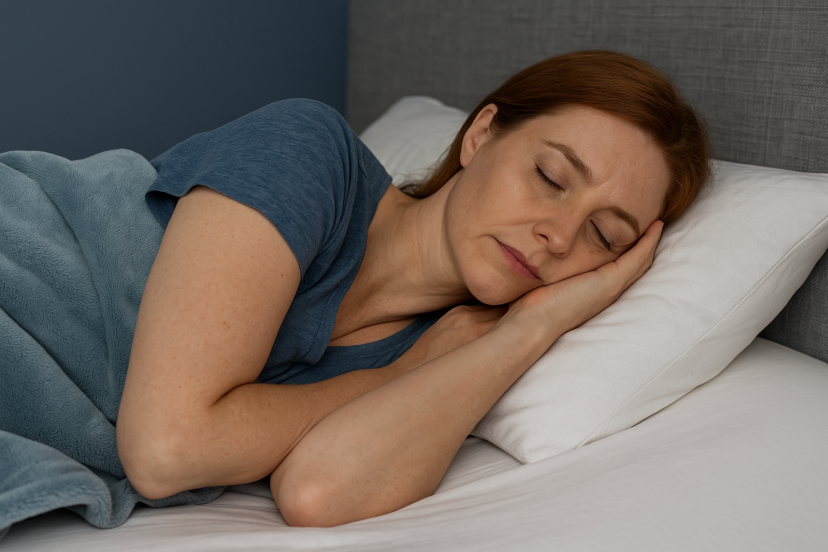
Side sleeping is often the best sleep position for back pain, especially for people with disc issues or sciatica.
✅ Benefits Of Side Sleeping
-
Supports natural spinal curves
-
Reduces lower back pressure
-
Minimizes acid reflux
-
Improves breathing
🛏 How To Optimize Side Sleeping
-
Sleep with a pillow between your knees
-
Keep ears, shoulders, and hips aligned
-
Use a medium-firm mattress
This position works well for both back and neck pain when the pillow height matches the shoulder width.
🔥 Side Sleeping For Shoulder Pain (Right Vs. Left Matters)
Shoulder pain often worsens due to compression overnight.
✅ Pain-Free Shoulder Tips
-
Sleep on the non-painful side
-
Hug a pillow to reduce shoulder roll-forward
-
Avoid sleeping directly on injured shoulders
Side sleeping combined with proper pillow support relieves pressure on the rotator cuff and upper spine.
🧠 Best Pillow Support For Side Sleepers
Pillows are posture tools—not accessories.
✅ Ideal Side Sleeping Pillow
-
Keeps neck neutral (not tilted up or down)
-
Fills the space between the mattress and the head
-
Memory foam or adjustable loft works best
Consider popular U.S. brands offering adjustable fill for personalized comfort.
🛌 Back Sleeping: Best Sleep Position For Spinal Alignment
For many people, back sleeping creates the most even weight distribution.
✅ Benefits Of Back Sleeping
-
Maintains neutral spinal alignment
-
Reduces facial pressure
-
Prevents shoulder compression
❗ Common Back Sleeping Mistake
-
Flat legs can increase lower back arching
✅ Simple Fix
Place a pillow under your knees to flatten the lumbar curve and instantly reduce back pain.
💪 Back Sleeping Pillow Setup
-
Small cervical-support pillow under the neck
-
Avoid thick head pillows
-
Optional lumbar support towel
This setup supports posture while allowing muscles to fully relax overnight.
🚫 Stomach Sleeping: Why It Worsens Pain
Stomach sleeping is the most stressful position for the spine and neck.
❌ Why It Causes Pain
-
Forces neck rotation for hours
-
Hyper-arches lower back
-
Compresses shoulders
If you can’t stop stomach sleeping immediately, place a thin pillow under one hip to reduce spinal twist.
🌿 Posture Sleep Tips For Combination Sleepers
If you roll during the night, focus on minimizing spinal strain.
✅ Combination Sleep Strategies
-
Use a body pillow to limit rolling
-
Choose a responsive mattress
-
Keep pillows positioned for side transitions
Good posture habits reduce tension, even if you move while sleeping.
🧘 Relaxation Techniques To Reduce Nighttime Muscle Tension
Even the best sleep position struggles against tight muscles.
✅ Pre-Bed Relaxation Techniques
-
Gentle spinal twists
-
Neck mobility stretches
-
Progressive muscle relaxation
-
4-7-8 breathing
Calming the nervous system supports pain-free sleep posture.
💊 Supplements That Support Pain-Free Sleep
Sleep posture works best when muscles can relax deeply.
✅ Melatonin
-
Helps regulate sleep timing
-
Useful if pain delays sleep onset
-
Lower doses (0.5–3 mg) work best
⭐ Magnesium
-
Relaxes muscles and nerves
-
Supports spinal decompression
-
Magnesium glycinate or citrate preferred
✅ Herbal Teas 🌿
-
Chamomile
-
Valerian root
-
Lemon balm
Choose trusted U.S. brands and take supplements 30–60 minutes before bedtime.
🛏 Mattress Matters: Supporting The Best Sleep Position For Back Pain
Your mattress should complement—not fight—your posture.
✅ Mattress Guidelines
-
Medium-firm for spinal support
-
Pressure relief for shoulders and hips
-
Zoned support enhances alignment
Consider U.S.-popular hybrid or memory foam mattresses with cooling features.
🔊 Sleep Accessories That Enhance Comfort
Small tools can significantly improve sleep posture.
✅ Helpful Sleep Products
-
Body pillows
-
White noise machines
-
Mattress toppers
-
Sleep trackers to identify restless patterns
These tools support consistency—essential for long-term pain relief.
🩺 When To See A Doctor Or Sleep Specialist
Sleep posture helps most people—but not all pain is positional.
⚠️ Consult A Professional If You Have:
-
Persistent back or neck pain for over 6 weeks
-
Numbness or tingling
-
Worsening pain despite posture changes
-
Sleep is disrupted by severe discomfort
A sleep or orthopedic specialist can rule out structural conditions.
❓ FAQs: Best Sleep Position For Back Pain
❓ What Is The Best Sleep Position For Back Pain?
Side sleeping with a pillow between knees or back sleeping with knee support works best for most people.
❓ Is Side Sleeping Bad For Your Spine?
No—side sleeping supports spinal alignment when properly supported with pillows.
❓ What Pillow Is Best For Neck And Shoulder Pain?
A medium-loft pillow that keeps the neck neutral works best.
❓ Can Sleep Posture Really Reduce Pain?
Yes—proper posture reduces muscle tension and joint compression overnight.
❓ How Long Does It Take To See Improvement?
Many people feel relief within 1–2 weeks of consistent posture adjustments.
❓ Is Back Sleeping Better Than Side Sleeping?
Both are effective—comfort and spinal neutrality matter most.
❓ Should I Sleep Without A Pillow?
Only if neck alignment stays neutral, most people still need pillow support.
💥 Conclusion: Sleep Should Heal—Not Hurt
The best sleep position for back pain isn’t about perfection—it’s about alignment, support, and consistency. Small changes in posture, pillow placement, and nighttime habits can transform how your body feels when you wake up.
Tonight, adjust your position. Support your spine. Let sleep become part of your healing process—not the cause of your pain.
🛡️ Sleep Health Disclaimer
This content is for educational purposes only and is not a substitute for professional medical advice. Always consult a qualified healthcare provider before making changes related to pain management, supplements, or sleep disorders. Individual results may vary.
 Explore more:
- How Many Hours Of Sleep Do Adults Need?
- Cognitive Behavioral Therapy for Insomnia (CBT-I)
- How To Fall Asleep Fast Naturally