Blue Light And Sleep: Why Screens Keep You Awake (And How To Fix It Naturally)
🌙 Why Falling Asleep Feels So Hard At Night
If you’ve ever found yourself wide awake at midnight—eyes tired but mind racing—you’re not alone. Many people turn off the lights, get into bed, and still struggle with restlessness or insomnia. Often, the problem isn’t stress alone. It’s the glowing phone, tablet, or TV you were using just minutes before sleep.
Blue light and sleep have a complicated relationship. While screens help us work, connect, and relax during the day, they can quietly interfere with the body’s natural sleep signals at night. Understanding how blue light impacts your circadian rhythm is one of the most powerful steps toward better, deeper sleep.
This guide explains the science in simple terms—and shows you exactly how to restore balance using filters, apps, habits, and natural sleep supports.
🌐 What Is Blue Light And Why Does It Affect Sleep?
Blue light is a high-energy, short-wavelength light emitted by the sun—and by most digital screens.
🔍 Common Blue Light Sources
-
Smartphones and tablets
-
Laptops and desktop monitors
-
LED TVs
-
Energy-efficient LED lighting
During the day, blue light is helpful. It boosts alertness, improves mood, and keeps your internal clock aligned. At night, however, the same light confuses your brain.
Blue light and sleep become a problem when your eyes receive strong light signals after sunset—exactly when your body expects darkness.
🧠 How Blue Light Disrupts Your Circadian Rhythm
Your circadian rhythm is a 24-hour internal clock that controls sleep, alertness, hormones, and body temperature.
🌙 The Role Of Melatonin
Melatonin is your body’s natural sleep hormone. It rises in the evening as light fades, telling your brain it’s time to rest.
Blue light causes melatonin suppression, which delays this signal.
⚠️ What Happens At Night
-
Melatonin release slows down
-
Your brain stays in “day mode”
-
Sleep onset time is delayed
-
Sleep quality becomes lighter
Over time, frequent circadian disruption can lead to chronic sleep issues, mood changes, and daytime fatigue.
😵 Signs That Blue Light Is Hurting Your Sleep
Many people don’t realize their nighttime habits are interfering with rest.
✅ Common Symptoms
-
Trouble falling asleep after screen use
-
Waking up frequently at night
-
Feeling exhausted despite enough sleep time
-
Difficulty waking up in the morning
-
Brain fog or irritability during the day
If these sound familiar, screen time at night may be a bigger factor than you think.
📱 Screen Time At Night: Why Phones Are The Biggest Culprit
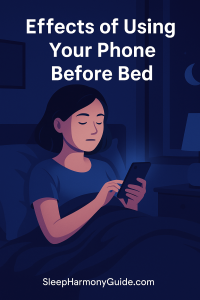
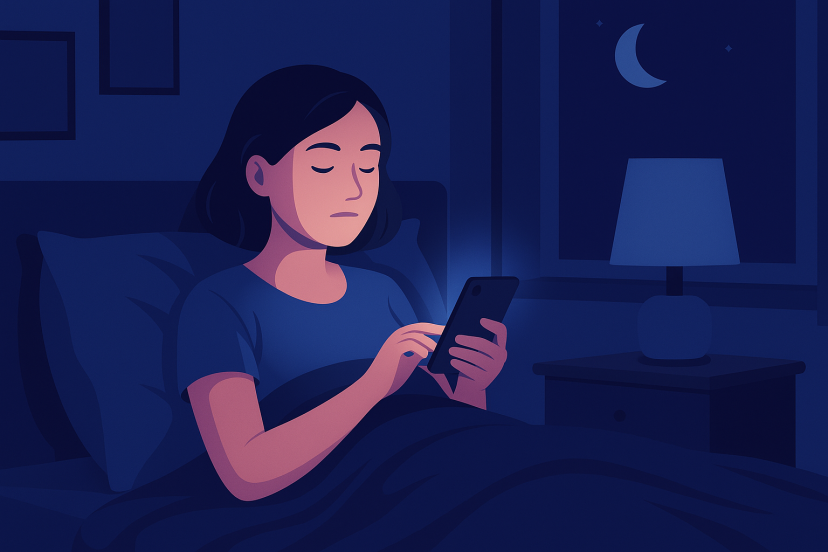
Among all devices, smartphones are the most disruptive to blue light and sleep patterns.
📵 Why Phones Are Worse
-
Held close to the eyes
-
Used in dark rooms
-
Highly engaging content (news, social media)
-
Rapid scrolling keeps the brain stimulated
Even 30–60 minutes of nighttime phone use can reduce melatonin levels enough to delay sleep by an hour or more.
🛠️ How Filters And Apps Help Restore Healthy Sleep
The good news? You don’t have to give up technology completely.
✅ Built-In Screen Filters
-
iPhone: Night Shift (Settings → Display & Brightness)
-
Android: Night Light mode
-
Windows/macOS: Night light or warm display settings
These reduce blue wavelengths and shift screens toward warmer tones.
📲 Popular Blue Light Blocking Apps
-
f.lux
-
Twilight
-
Iris
Used consistently, filters can significantly reduce melatonin suppression—especially when combined with other sleep-friendly habits.
🕶️ Do Blue Light Blocking Glasses Really Work?
Yes—for many people, they can.
✅ Benefits Of Blue Light Glasses
-
Block 90–100% of blue wavelengths
-
Improve sleep onset time
-
Reduce eye strain in the evening
They’re particularly helpful if you must work at night or can’t avoid screens entirely. Look for glasses labeled “amber” or “orange lenses” for best results.
🌿 Lifestyle Habits That Balance Blue Light And Sleep Naturally
Filters help, but habits matter more.
✅ Evening Routine That Supports Sleep
-
Dim lights after sunset
-
Switch to lamps instead of overhead LEDs
-
Avoid screens 60–90 minutes before bed
-
Read physical books or listen to calming audio
-
Keep consistent sleep and wake times
Small changes create powerful signals for your circadian rhythm to reset.
🌞 The Importance Of Morning Light Exposure
Ironically, light during the day improves blue light and sleep outcomes at night.
✅ Why Morning Light Matters
-
Strengthens circadian rhythm
-
Increases daytime alertness
-
Helps melatonin rise earlier at night
Try getting 10–30 minutes of natural sunlight within an hour of waking—or use a U.S.-popular light therapy box during darker months.
💊 Supplements That Support Sleep Balance
When lifestyle changes aren’t enough, natural supplements may help—especially when melatonin suppression has been ongoing.
✅ Melatonin
-
Helps reset sleep timing
-
Useful for delayed sleep cycles
-
Typical dose: 0.5–3 mg, 30–60 minutes before bed
Lower doses often work better.
⭐ Magnesium
-
Relaxes muscles and the nervous system
-
Supports deeper sleep stages
-
Best forms: Glycinate or citrate
✅ Herbal Teas
-
Chamomile
-
Lemon balm
-
Passionflower
These calm the mind without sedation.
(Always choose reputable U.S. supplement brands and consult a professional if unsure.)
😴 Bedroom Setup To Minimize Circadian Disruption
Your sleep environment reinforces—or undermines—what your brain expects.
✅ Sleep-Friendly Bedroom Tips
-
Use blackout curtains
-
Eliminate LED indicator lights
-
Keep phones off the nightstand
-
Use white noise machines instead of TV
Darkness is a powerful sleep cue.
🩺 When To See A Doctor Or Sleep Specialist
If blue light and sleep changes don’t improve rest after several weeks, professional guidance may help.
⚠️ Seek Help If You Have:
-
Chronic insomnia lasting over 3 months
-
Extreme daytime sleepiness
-
Loud snoring or breathing pauses
-
Anxiety or depression affecting sleep
A sleep specialist can evaluate circadian rhythm disorders or other underlying causes.
❓ FAQs: Blue Light And Sleep
❓ Does Blue Light Completely Stop Melatonin?
Blue light doesn’t eliminate melatonin, but it delays and reduces its release, making sleep harder.
❓ Is Watching TV Better Than Using A Phone?
TVs are less intense than phones if viewed from a distance—but still disruptive without filters.
❓ How Long Before Bed Should I Avoid Screens?
Ideally, 60–90 minutes before bedtime for optimal circadian alignment.
❓ Are Warm Light Bulbs Better At Night?
Yes. Warm (2700K or lower) bulbs are less disruptive to sleep hormones.
❓ Can Blue Light Cause Insomnia Long-Term?
Ongoing circadian disruption may contribute to chronic insomnia patterns.
❓ Do Kids And Teens Get Affected More?
Yes. Younger eyes are more sensitive to blue light exposure.
❓ Are E-Readers Better Than Tablets?
E-ink readers without backlighting are much more sleep-friendly.
🌙 Conclusion: Take Control Of Your Sleep Rhythm
Blue light and sleep don’t have to be enemies. By understanding how screens affect your circadian rhythm—and by using filters, healthy habits, and calming nighttime routines—you can signal your body to rest naturally again.
Better sleep isn’t about perfection. It’s about small, consistent choices that help your mind and body unwind.
Start tonight—dim the lights, put the phone down a little earlier, and let your internal clock guide you back to restful nights.
🛡️ Sleep Health Disclaimer
This article is for educational purposes only and does not replace professional medical advice. Always consult a qualified healthcare provider before using supplements or treating sleep disorders. Individual results may vary.
 Explore more:
- What Is the 123 Sleep Rule?
- Melatonin vs Magnesium for Sleep
- Anxiety And Insomnia: Breaking The Cycle