Caffeine And Sleep: How Late Is Too Late To Drink Coffee?
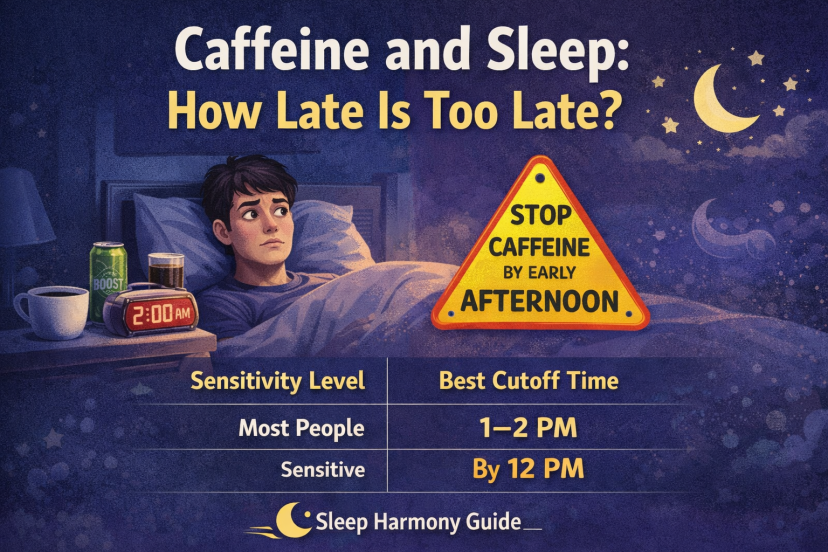
🌙 When You’re Tired But Can’t Sleep
You’re exhausted. Your eyes feel heavy. Your body wants rest — but your mind won’t shut off.
You lie in bed, staring at the ceiling, replaying the day in your head.
Earlier, you just wanted to survive the afternoon. So you grabbed a coffee… or an energy drink… or a soda. Now you’re asking the same question so many people ask:
How late is too late when it comes to caffeine and sleep?
If you struggle with restlessness, insomnia, or nighttime anxiety, caffeine may be quietly working against you. This guide will help you understand:
-
How caffeine affects your sleep cycles
-
How long caffeine really lasts in your body
-
The truth about coffee before bed
-
How energy drinks and soda compare
-
How to enjoy caffeine without ruining sleep
Let’s make caffeine work with your life — not against your sleep.
☕ How Caffeine And Sleep Are Connected
What Caffeine Does In Your Brain
Caffeine is a stimulant. It doesn’t give you energy — it blocks tiredness.
Your brain builds up a chemical called adenosine during the day.
Adenosine makes you feel sleepy.
Caffeine works by:
-
Blocking adenosine receptors
-
Making your brain feel “awake”
-
Delaying your natural sleep drive
This is why caffeine and sleep often clash — especially at night.
🧠 Why You Feel Wired But Tired
Caffeine And Sleep Cycles
Sleep happens in cycles:
-
Light sleep
-
Deep sleep
-
REM sleep
Caffeine can:
-
Delay falling asleep
-
Reduce deep sleep
-
Shorten REM sleep
-
Increase night waking
So even if you “sleep,” caffeine may stop you from getting restorative sleep.
⏳ Caffeine Half-Life: Why It Lasts So Long
What Is Caffeine Half-Life?
The caffeine half-life is the time it takes for your body to remove half the caffeine you consumed.
For most adults:
-
Caffeine half-life = 5–7 hours
That means:
-
Drink coffee at 4 PM →
Half still in your body at 9–11 PM -
Some caffeine may still affect you at 2–3 AM
This is why caffeine and sleep problems often show up long after your last drink.
🧬 Why Some People Are More Sensitive
Your caffeine half-life changes based on:
-
Genetics
-
Age
-
Liver health
-
Pregnancy
-
Medications
-
Hormones
Some people clear caffeine fast.
Others feel it all night.
If you’re sensitive, even coffee before bed at 2–3 PM can hurt sleep.
🕓 How Late Is Too Late For Caffeine?
Best Cutoff Time For Caffeine And Sleep
For most people:
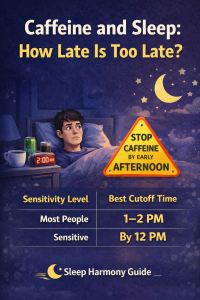
Stop caffeine by 1–2 PM
This gives your body time to clear most of it before bedtime.
If you have insomnia or anxiety:
Stop caffeine by 12 PM
This includes:
-
Coffee
-
Tea
-
Energy drinks
-
Soda
-
Pre-workout drinks
-
Chocolate
So when it comes to caffeine and sleep, earlier is always safer.
🥤 Different Drinks, Different Effects
Caffeine By Drink Type
Not all caffeine is equal.
☕ Coffee
-
Brewed coffee: 90–120 mg
-
Espresso: 60–80 mg
-
Decaf: 5–15 mg
Coffee before bed is one of the biggest sleep killers.
🥤 Energy Drinks
-
80–300+ mg
-
Often mixed with sugar and stimulants
-
Strong effect on heart rate and anxiety
Energy drinks are especially harmful to caffeine and sleep balance.
🫖 Tea
-
Black tea: 40–70 mg
-
Green tea: 25–45 mg
-
Herbal tea: 0 mg
Tea is gentler, but still matters.
🥛 Soda And Chocolate
-
Cola: 30–50 mg
-
Dark chocolate: 20–30 mg
Hidden caffeine still affects sleep.
📊 Infographic Insight: Timing And Drink Type
Caffeine Timing By Drink
General guideline:
-
Morning: Any caffeine type
-
Early afternoon: Small coffee or tea
-
After 2 PM: Herbal or decaf only
-
Evening: No caffeine
If you care about caffeine and sleep, timing matters more than amount.
😵 Symptoms Of Too Much Caffeine
Signs Caffeine Is Hurting Your Sleep
-
Trouble falling asleep
-
Waking at night
-
Racing thoughts
-
Light, broken sleep
-
Morning fatigue
-
Anxiety or jitteriness
These are common signs that caffeine and sleep are out of balance.
🌿 How To Enjoy Caffeine Without Ruining Sleep
Smarter Caffeine Habits
-
Drink caffeine early
-
Choose smaller sizes
-
Switch to half-caf
-
Use decaf after noon
-
Avoid energy drinks
-
Read labels carefully
✅ Smarter Caffeine tips:
-
Stop caffeine by early afternoon
-
Drink water between caffeinated drinks
-
Eat protein with caffeine
-
Avoid caffeine on an empty stomach
-
Track how caffeine affects you
😌 Natural Ways To Stay Awake Without Caffeine
Non-Caffeine Energy Boosters
-
Morning sunlight
-
Short walks
-
Stretching breaks
-
Cold water on the face
-
Power naps (10–20 min)
These help energy without harming caffeine and sleep balance.
💊 Supplements That Support Better Sleep
Natural Sleep Support After Caffeine
🌿 Herbal Teas
-
Lemon balm
-
Passionflower
-
Valerian root
💊 Magnesium
-
Magnesium glycinate
-
Magnesium citrate
Helps muscles relax and supports calm sleep.
🌙 Melatonin
-
Best for nighttime only
-
Not for daytime use
-
Use low doses (0.5–3 mg)
🏠 Lifestyle Changes That Protect Sleep
Daily Habits For Better Caffeine And Sleep Balance
-
Wake at the same time daily
-
Get morning sunlight
-
Exercise regularly
-
Eat balanced meals
-
Reduce evening screen time
These habits reduce how strongly caffeine affects your sleep.
🚫 Common Caffeine Mistakes
What Ruins Sleep Most
-
Coffee before bed
-
Energy drinks late
-
Large afternoon coffees
-
Hidden caffeine in soda
-
Ignoring sensitivity
🩺 When To See A Doctor
If caffeine and sleep problems don’t improve, talk to a professional.
See a doctor or sleep specialist if:
-
You can’t sleep most nights
-
You feel exhausted daily
-
You wake gasping or snoring loudly
-
Anxiety is severe
-
Sleep problems last over 3 months
Conditions like insomnia, sleep apnea, or anxiety disorders need medical care.
❓ FAQs About Caffeine And Sleep
1. How late is too late for caffeine?
For most people, stop caffeine by 1–2 PM. If sensitive, stop by 12 PM.
2. Can I drink coffee before bed?
Coffee before bed usually delays sleep and reduces deep sleep.
3. What is caffeine’s half-life?
Caffeine’s half-life is 5–7 hours, meaning half stays in your body that long.
4. Do energy drinks affect sleep more?
Yes. Energy drinks often contain high caffeine and extra stimulants.
5. Does decaf affect sleep?
Decaf still has small amounts of caffeine, but it is usually safe after noon.
6. Can caffeine cause anxiety at night?
Yes. Caffeine can increase heart rate, nervousness, and racing thoughts.
7. How long does caffeine affect sleep?
Caffeine can affect sleep for 8–12 hours, depending on sensitivity.
🌟 Conclusion: Protect Your Sleep By Timing Caffeine
Caffeine and sleep can coexist — but only with smart timing.
If you remember one thing:
-
Drink caffeine early
-
Stop by early afternoon
-
Avoid coffee before bed
-
Choose gentler options
Your sleep is more important than one late drink.
Start small. Try cutting caffeine earlier for one week.
Let your nervous system calm.
Give your sleep a chance to heal.
⚠️ Disclaimer
This article is for educational purposes only and does not replace medical advice. Always consult a healthcare provider before using supplements or making major sleep changes, especially if you have medical conditions or take medications.
 Explore more:
- The Ideal Bedroom Temperature for Deep Sleep
- How To Build A Healthy Nighttime Routine
- The 4 Stages Of Sleep Explained