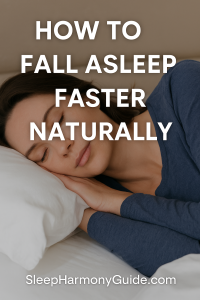
How to Fall Asleep Faster Naturally: Proven Rapid Sleep-Onset Techniques That Work
🌙 Why Falling Asleep Feels So Hard
If you lie awake at night staring at the ceiling, replaying conversations, worrying about tomorrow, or tossing and turning for hours, you’re not alone. Millions of U.S. adults struggle with sleep onset insomnia — the inability to fall asleep quickly, even when exhausted.
Learning how to fall asleep faster naturally can feel overwhelming when your mind won’t slow down, and your body refuses to relax. The good news? You don’t need prescription medication or extreme solutions. Small, science-backed changes can retrain your nervous system, calm racing thoughts, and help your body shift into sleep mode — often within minutes.
This guide focuses on rapid sleep-onset techniques, including breathing exercises, relaxation methods, and bedtime rituals designed to work with your biology — not against it.
🧠 Why It’s Hard To Fall Asleep Quickly
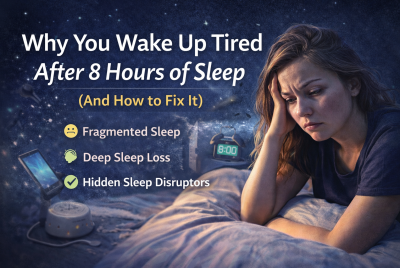
Understanding the problem is the first step toward solving it. Difficulty falling asleep usually isn’t about lack of tiredness — it’s about a nervous system stuck in “alert mode.”
Common Causes Of Slow Sleep Onset
-
Chronic stress or anxiety
-
Excessive screen time at night
-
Irregular bedtime routines
-
Eaffeine or alcohol late in the day
-
Overstimulation of the nervous system
-
Inconsistent sleep and wake times
-
Poor sleep environment (light, noise, temperature)
When this happens, your body releases cortisol instead of melatonin, making it harder to fall asleep faster naturally.
🌿 Rapid Sleep-Onset Techniques That Work Naturally
Below are action-based techniques you can use tonight. Many people feel calmer within 5–10 minutes.
🌬️ 1. 4-7-8 Breathing For Instant Calm
One of the most popular breathing exercises for sleep, the 4-7-8 method helps slow heart rate and calm the nervous system.
How To Do It
-
Inhale through your nose for 4 seconds
-
Hold your breath for 7 seconds
-
Exhale slowly through your mouth for 8 seconds
-
Repeat 4–6 cycles
✅ Why it works: This pattern activates the parasympathetic nervous system, signaling your brain that it’s safe to relax — making it easier to fall asleep faster naturally.
🧘♀️ 2. Progressive Muscle Relaxation
Progressive relaxation reduces physical tension you may not realize you’re holding.
Step-By-Step
-
Start at your toes and tense them for 5 seconds
-
Release and relax for 10 seconds
-
Move upward: calves, thighs, abdomen, shoulders, jaw
-
Finish with facial muscles and scalp
🌿 This method pairs extremely well with deep breathing and bedtime rituals.
🛌 3. Create A Predictable Bedtime Wind-Down Ritual
Your brain loves consistency. A calming pre-sleep ritual trains it to expect rest.
Effective Bedtime Ritual Ideas
-
Reading a paper book
-
Gentle stretching
-
Warm shower or bath
-
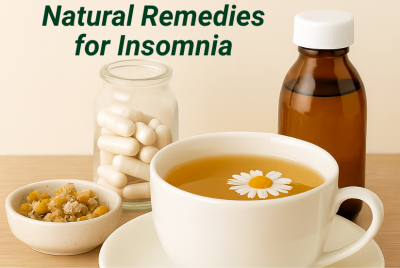
Chamomile or valerian tea
-
Dim lighting after 8 p.m.
-
Light journaling (brain dump)
✅ Following the same routine nightly helps reduce sleep onset time within 7–14 days.
🔕 4. Use White Noise Or Sound Conditioning
Silence can amplify racing thoughts. White noise provides auditory stability.
Popular U.S. Options
-
White noise machines (Hatch, LectroFan)
-
Fan sounds
-
Rainfall or ocean sounds
-
Sleep apps (Calm, Insight Timer)
🧠 Studies show consistent background sound helps the brain disengage — supporting those trying to fall asleep faster naturally.
🌙 5. Try The Military Sleep Method
Developed to help soldiers fall asleep anywhere, this technique is surprisingly effective.
How It Works
-
Relax your facial muscles
-
Drop your shoulders and release tension
-
Breathe slowly and deeply
-
Visualize a peaceful scene (forest, beach)
-
Repeat “don’t think” for 10 seconds
✅ Many users report falling asleep within 2 minutes after practice.
💊 Supplements That May Support Faster Sleep
Natural supplements can help when used correctly — not as a crutch.
🌿 Melatonin (Low Dose Only)
Melatonin regulates your sleep-wake rhythm.
Best Practices
-
Low dose: 0.5–1 mg
-
Take 60–90 minutes before bed
-
Avoid daily long-term use
✅ Works best for jet lag, delayed sleep phase, or inconsistent schedules.
🌿 Magnesium For Relaxation
Magnesium supports muscle relaxation and nervous system balance.
Forms That Support Sleep
-
Magnesium glycinate
-
Magnesium citrate (lower doses)
💡 Many adults in the U.S. are mildly deficient, which can affect sleep quality.
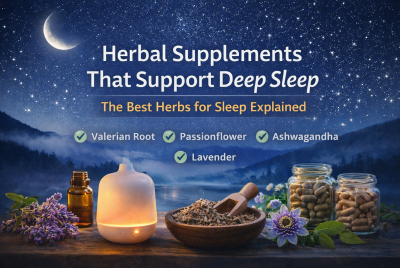
🍵 Herbal Teas That Promote Sleep
Popular Options
-
Passionflower
-
Lemon balm
-
Valerian root
🌿 Herbal teas support bedtime rituals and signal the brain to slow down.
🌙 Lifestyle Habits That Help You Fall Asleep Faster Naturally
Rapid techniques work best when daily habits support them.
✅ Optimize Your Sleep Environment
-
Cooler bedroom (65–70°F)
-
Blackout curtains
-
Remove LED lights
-
Comfortable mattress and pillows
⭐ Limit Evening Screen Exposure
-
Stop screens 60–90 minutes before bed
-
Use blue-light filters after sunset
-
Dim overhead lighting
✅ Consistent Sleep Schedule
-
Wake up at the same time daily (even weekends)
-
Avoid long daytime naps
-
Reinforce circadian rhythm
🩺 When To See A Doctor Or Sleep Specialist
If natural sleep-onset techniques don’t help after 3–4 weeks, it may be time to seek expert guidance.
Consider Medical Help If You Experience
-
Chronic insomnia lasting over a month
-
Excessive daytime sleepiness
-
Loud snoring or gasping at night
-
Anxiety or panic at bedtime
-
Dependency on sleep aids
A qualified sleep specialist can rule out sleep apnea, restless legs syndrome, hormone imbalances, or anxiety disorders.
❓ FAQs: How To Fall Asleep Faster Naturally
1. How long should it take to fall asleep naturally?
Most healthy adults fall asleep within 10–20 minutes. Longer delays may indicate sleep onset insomnia.
2. Do breathing exercises really help with sleep?
Yes. Breathing exercises calm the nervous system and reduce cortisol, making sleep easier.
3. Is melatonin safe to use every night?
Occasional use is safe for many adults, but long-term nightly use isn’t recommended without medical guidance.
4. Can anxiety cause delayed sleep?
Absolutely. Anxiety keeps the nervous system in alert mode, delaying natural sleep onset.
5. Does magnesium help everyone sleep faster?
Not everyone, but it helps many people with muscle tension and nervous system overactivity.
6. Why do I feel tired but can’t fall asleep?
Mental overstimulation, stress hormones, or circadian disruption often cause this mismatch.
7. How long does it take to retrain sleep habits naturally?
Most people notice improvement within 7–14 days, with continued gains over a month.
🌙 Final Thoughts: Better Sleep Starts Tonight
Falling asleep quickly isn’t about forcing sleep — it’s about inviting calm. When you learn how to fall asleep faster naturally, you stop fighting your body and start working with it.
Choose one or two techniques tonight. Breathe slowly. Build simple bedtime rituals. Give your nervous system permission to rest.
Better sleep isn’t complicated — it’s consistent.
⚠️ Sleep Health Disclaimer
This content is for educational purposes only and does not replace medical advice. Always consult a qualified healthcare professional before starting supplements or changing sleep treatments, especially if you have existing health conditions.
 Explore more:
- How Long Does It Take for Sleep Supplements to Work?
- Why You Can’t Fall Asleep Even When You’re Tired
- How to Fix Your Sleep Schedule After Staying Up Late