Sleep Paralysis Explained: What Causes Sleep Paralysis, Myths & How To Stop It
😴 When You Wake Up But Can’t Move
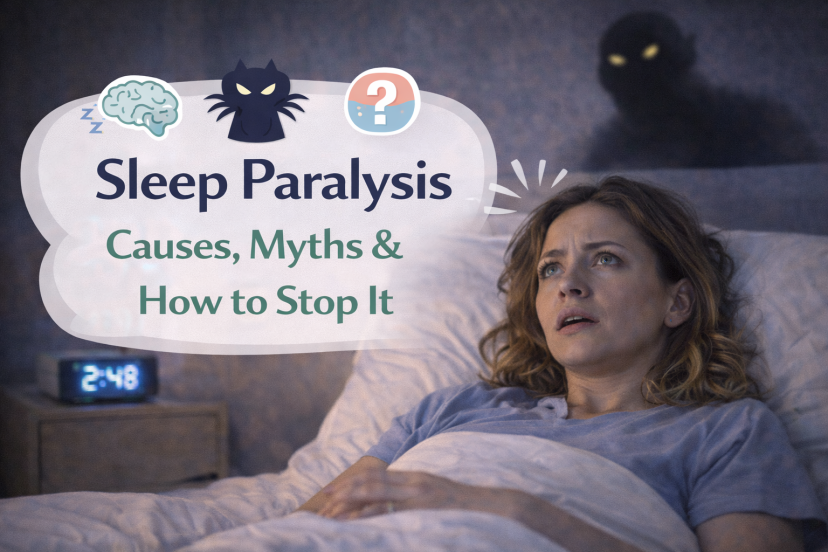
You open your eyes, aware of your surroundings — but your body won’t respond. You try to speak, breathe deeply, or move your arms, yet nothing happens. Your heart races. Fear sets in. After what feels like forever, the spell breaks, and you can move again.
If you’ve experienced this, you’re not alone. Sleep paralysis is surprisingly common and deeply unsettling — especially for people who already struggle with poor sleep, anxiety, or nighttime restlessness.
Understanding what causes sleep paralysis is the first step toward reducing its frequency and intensity. In this guide, we’ll demystify sleep paralysis, separate facts from myths, explain the science behind it, and share calm, practical strategies to help you prevent future episodes and sleep with more confidence.
🧠 What Is Sleep Paralysis?
Sleep paralysis is a temporary inability to move or speak that occurs when you’re falling asleep or waking up. Your mind becomes conscious before your body regains movement.
🌿 Key Characteristics
-
Occurs during sleep–wake transitions
-
Muscles are temporarily immobilized
-
Awareness is usually clear
-
Episodes last from a few seconds to a few minutes
Although terrifying, sleep paralysis is not dangerous and does not cause physical harm.
🧬 What Causes Sleep Paralysis?
To understand what causes sleep paralysis, we need to look at how the brain manages sleep stages.
🌙 The Role Of REM Atonia
During REM (rapid eye movement) sleep, the brain intentionally shuts down muscle movement. This protective mechanism — called REM atonia — prevents you from physically acting out dreams.
Sleep paralysis happens when:
-
REM atonia continues
-
Conscious awareness returns too early
-
The body and brain are briefly out of sync
This mismatch creates the sensation of being awake but unable to move.
🌡️ Common Triggers That Increase Sleep Paralysis Risk
Several factors make REM atonia more likely to intrude into waking consciousness.
🦵 Sleep Disruption
-
Irregular sleep schedules
-
Sleep deprivation
-
Jet lag or shift work
🧠 Mental And Emotional Triggers
-
Chronic stress
-
Anxiety disorders
-
Panic at night
🌿 Lifestyle Factors
-
Sleeping on your back
-
Excess caffeine or alcohol
-
Late-night screen use
These factors help explain what causes sleep paralysis in many otherwise healthy people.
😣 Symptoms Of Nightmare Paralysis
Some people experience only immobility, while others have vivid sensory experiences — often referred to as nightmare paralysis.
😱 Common Symptoms
-
Inability to move or speak
-
Pressure on the chest
-
Feeling watched or threatened
-
Visual or auditory hallucinations
These sensations feel real because parts of the dreaming brain remain active.
🌙 Sleep Paralysis And Lucid Dreaming: What’s The Connection?
Sleep paralysis often overlaps with lucid dreaming, where you’re aware that you’re dreaming.
🌿 Why They’re Linked
-
Both involve REM sleep intrusion
-
Conscious awareness increases
-
Dream imagery can blend with reality
Some people even learn to transition from sleep paralysis into lucid dreaming — though this isn’t recommended for those who experience fear or anxiety.
❌ Common Myths About Sleep Paralysis
Sleep paralysis has been misunderstood for centuries. Let’s clear up some myths.
🚫 Myth 1: Sleep Paralysis Is Supernatural
In many cultures, nightmare paralysis was blamed on demons or spirits. Science now clearly explains it as a REM sleep phenomenon.
🚫 Myth 2: You’re Suffocating
Although breathing may feel restricted, oxygen levels remain normal.
🚫 Myth 3: It Means You’re Mentally Ill
Sleep paralysis can happen to healthy individuals, especially during stress or sleep disruption.
Understanding what causes sleep paralysis removes much of its fear.
🌿 How Anxiety And Stress Trigger Sleep Paralysis
Stress plays a major role in REM instability.
🧠 How Stress Affects Sleep
-
Raises nighttime cortisol
-
Fragments REM sleep
-
Increases hypervigilance
This makes REM atonia more likely to spill into wakefulness.
🌬️ What To Do During A Sleep Paralysis Episode
If an episode happens, the goal is not to fight it — but to stay calm.
✅ Helpful Techniques
-
Focus on slow breathing
-
Try wiggling toes or tongue
-
Remind yourself it will pass
-
Avoid panic
The calmer you remain, the shorter episodes tend to be.
🌿 How To Prevent Sleep Paralysis Naturally
Prevention focuses on stabilizing sleep and calming the nervous system.
🛌 Improve Sleep Schedule Consistency
Irregular sleep is one of the biggest contributors to what causes sleep paralysis.
🌙 Best Practices
-
Go to bed and wake up at the same time daily
-
Avoid drastic weekend schedule shifts
-
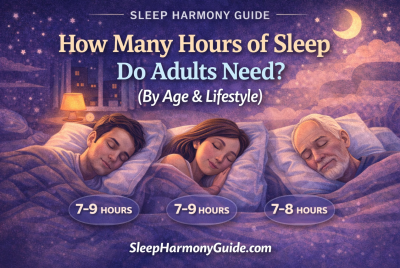
Aim for 7–9 hours of sleep
Consistency helps regulate REM cycles.
🌿 Change Sleep Position
Sleeping on your back increases the risk of REM atonia awareness.
🦵 Try This Instead
-
Sleep on your side
-
Use a body pillow for support
-
Place a pillow behind your back
This simple change reduces episodes for many people.
🌿 Reduce Evening Stimulation
Overstimulation interferes with smooth sleep transitions.
🌙 Evening Habits To Adjust
-
Limit screens 60–90 minutes before bed
-
Avoid intense news or social media
-
Dim lights after sunset
This supports calmer REM sleep.
💊 Supplements That May Help
Supplements don’t cure sleep paralysis but may improve sleep quality and reduce triggers.
💊 Magnesium
-
Calms the nervous system
-
Supports deeper sleep
-
Helps reduce stress-related awakenings
Typical dose: 200–400 mg magnesium glycinate
💊 Melatonin
-
Helps regulate sleep timing
-
Useful for disrupted schedules
-
Should be used short-term
Typical dose: 0.5–3 mg
🌿 Herbal Teas
-
Chamomile
-
Lemon balm
-
Passionflower
These promote relaxation before bed.
🌿 Relaxation Techniques To Reduce REM Instability
🌬️ Breathing Exercises
Slow breathing lowers nighttime arousal.
Try:
-
Inhale 4 seconds
-
Exhale 6–8 seconds
-
Repeat 5–10 minutes
🧘 Body Scan Relaxation
This helps shift awareness away from fear.
-
Mentally scan from toes to head
-
Release tension slowly
-
Focus on warmth and heaviness
🔇 Sleep Tools That Support Calm (U.S. Favorites)
✅ Helpful Products
-
White noise machines (LectroFan, Hatch)
-
Sleep apps with grounding audio (Calm, Insight Timer)
-
Sleep trackers (Fitbit, Oura Ring) — used gently
These tools support sleep consistency, not control.
🌿 Long-Term Lifestyle Strategies
💪 Daily Habits That Help
-
Morning sunlight exposure
-
Regular physical activity
-
Stress management practices
Balanced days lead to calmer nights.
🩺 When To See A Doctor About Sleep Paralysis
Occasional episodes are common. Frequent episodes may need professional guidance.
🚨 Consult A Sleep Specialist If
-
Episodes happen weekly or more often
-
Severe fear or panic occurs
-
Daytime sleepiness is present
-
Narcolepsy is suspected
A specialist can evaluate REM sleep patterns and rule out underlying disorders.
❓ FAQs: What Causes Sleep Paralysis?
❓ What Causes Sleep Paralysis Most Often?
Sleep deprivation, stress, irregular schedules, and REM sleep disruption.
❓ Is Sleep Paralysis Dangerous?
No. It feels frightening, but it does not harm the body.
❓ Can Anxiety Cause Sleep Paralysis?
Yes. Anxiety increases REM instability and nighttime awakenings.
❓ Why Do I See Or Hear Things During Episodes?
Dream imagery may blend with waking awareness during REM intrusion.
❓ Can Sleep Paralysis Be Prevented?
Yes. Improving sleep habits and stress management reduces episodes.
❓ Is Lucid Dreaming Related To Sleep Paralysis?
They share REM mechanisms, but not everyone experiences both.
❓ Does Sleeping Position Matter?
Yes. Back sleeping increases the likelihood of episodes.
🌙 Conclusion: Sleep Paralysis Is Scary — But Manageable
Sleep paralysis can feel overwhelming, especially when you don’t understand what’s happening. But once you know what causes sleep paralysis, its power begins to fade.
This condition is not a sign of danger or loss of control — it’s a temporary mismatch between mind and body. With consistent sleep habits, stress reduction, and calming routines, many people dramatically reduce or completely stop episodes.
You are not alone. You are not broken. And peaceful sleep is possible again.
⚠️ Sleep Health Disclaimer
This article is for educational purposes only and does not replace professional medical advice. Always consult a qualified healthcare provider if you experience frequent sleep paralysis, severe anxiety, or other sleep-related concerns.
 Explore more:
- How to Fall Asleep Faster Naturally
- How Many Hours of Sleep Do Adults Really Need?
- How to Fix Your Sleep Schedule After Staying Up Late