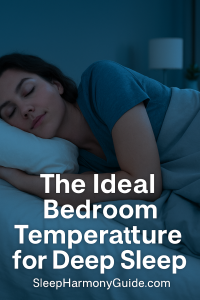
The Ideal Bedroom Temperature for Deep Sleep – Science-Backed Guide to Thermal Comfort, Airflow & Sleep Environment Setup
🌙 Ever Wake Up Sweaty, Cold, or Restless?
You follow all the sleep rules — dim the lights, avoid screens, drink herbal tea — yet deep sleep still feels out of reach. You toss and turn, flipping the pillow to the “cool side.” And you still wake up groggy or overheated.
If this feels familiar, the problem may not be your routine…
It’s your sleep environment, especially your bedroom temperature.
Science is extremely clear: your body must cool down to fall asleep and stay asleep. Even a few degrees too warm can trigger micro-awakenings, shallow sleep, or restless legs.
This guide breaks down the best temperature for sleep, how your room’s environment affects sleep depth, and step-by-step ways to create the perfect sleep sanctuary.
🌡️ The Best Temperature for Sleep (Based on Sleep Science)
The Ideal Temperature Range
The best temperature for sleep is:
❄️ 60–67°F (15.5–19.5°C)
This range is recommended by:
-
U.S. sleep researchers
-
The American Academy of Sleep Medicine
-
The National Sleep Foundation
Why This Range Works
Your body temperature naturally drops at night as part of your circadian rhythm. Cooling your room supports:
-
Melatonin Production
-
Deep Sleep Stages (N3)
-
Reduced Nighttime Wakefulness
-
Steady Heart Rate & Breathing
Even slight warmth (above ~70°F) can reduce deep sleep time.
❄️ Understanding Thermal Comfort & How It Impacts Sleep
Temperature is only one part of “thermal comfort.” Your overall sleep environment setup determines how your body maintains heat.
Key Thermal Comfort Factors
-
Room Temperature
-
Humidity Levels
-
Airflow / Ventilation
-
Type of Bedding
-
Mattress Cooling Ability
-
Sleepwear
-
Body Heat Traps (pets, comforters, etc.)
Each factor influences how deeply you sleep, especially during REM and deep sleep.
🌙 Why Your Body Sleeps Better in Cooler Temperatures
Your Core Temperature Must Drop to Sleep
Before deep sleep begins, your core temperature decreases by 1–2°F.
A warm room prevents the drop, blocking deep sleep and increasing restlessness.
Cooler Rooms Boost Deep Sleep
A cooler sleep environment:
-
Increases Slow-Wave Deep Sleep
-
Reduces Night Sweats
-
Improves Sleep Efficiency
-
Decreases Micro-Awakenings
-
Supports Stable Breathing
People who sleep in cooler rooms often experience more morning alertness and fewer nighttime disruptions.
🌬️ The Best Temperature for Sleep by Age & Body Type
Adults
60–67°F is ideal.
Adults require cooling for optimal slow-wave sleep.
Children
65–70°F
Kids lose heat more quickly and need a slightly warmer environment.
Older Adults
66–70°F
Aging reduces blood vessel responsiveness, making extreme coolness uncomfortable.
Hot Sleepers
60–65°F
People who sweat easily need increased airflow and lightweight bedding.
Cold Sleepers
64–68°F
Pairs best with breathable layers and warm socks.
🌡️ How Humidity Affects the Best Temperature for Sleep
Ideal Humidity Range
40%–50% humidity
This improves temperature regulation and keeps the air comfortable.
Too High Humidity (60%+)
-
Causes overheating
-
Makes sweat evaporate slowly
-
Creates a “sticky” feeling
Too Low Humidity (Below 30%)
-
Causes a dry throat
-
Irritates sinuses
-
Increases coughing
-
Reduces REM sleep
A small humidifier or dehumidifier can stabilize humidity for better sleep.
🌬️ How Airflow Enhances Sleep Quality
Airflow is a major part of your sleep environment setup.
Benefits of Good Airflow
-
Keeps Body Temperature Stable
-
Prevents Heat Trapping
-
Improves Air Quality
-
Reduces Allergens & Stale Air
Best Tools for Airflow
-
Ceiling Fans (Counterclockwise Mode)
-
Oscillating Fans
-
Open Windows (Weather Permitting)
-
Air Purifiers for Allergies
U.S. favorites include Honeywell fans, Dyson purifiers, Lasko units, and Rowenta models.
🛏️ Bedding That Supports the Best Temperature for Sleep
Choose Breathable Fabrics
-
100% Cotton
-
Bamboo
-
Linen
-
Tencel (Lyocell)
These materials wick sweat, reduce heat retention, and support airflow.
Avoid Heat-Trapping Bedding
-
Polyester
-
Microfleece
-
Heavy Down Comforters (in summer)
Mattress Matters
Cooling mattresses help regulate body temperature. Popular U.S. options:
-
Tempur-Pedic Breeze
-
Casper Snow
-
Purple Mattress
-
Serta Arctic
Pro Tip
Use a cooling mattress topper if you’re not ready to replace your mattress.
🧦 Sleepwear & Clothing for Deep Sleep
Best Sleepwear
-
Lightweight Cotton or Bamboo
-
Moisture-Wicking Shirts
-
Loose-Fit Clothing
Avoid
-
Heavy flannel
-
Thermal pajamas
-
Thick socks (unless needed)
Clothing that traps heat reduces sleep efficiency.
🌙 Lighting Setup That Supports Cooling & Relaxation
Cool Rooms + Warm Lighting = Optimal Sleep
-
Warm, dim lighting lowers cortisol
-
Avoid white/blue lights after sunset
-
Use salt lamps or soft bedside lamps
Lighting + temperature work together to trigger melatonin.
🌀 The “Perfect Sleep Environment Setup” Checklist
Temperature
-
Set Thermostat Between 60–67°F
Humidity
-
Keep 40–50% Humidity
Airflow
-
Use Fans, Open Windows, Or Purifiers
Bedding
-
Choose Breathable Fabrics
-
Use Lightweight Comforters
Mattress
-
Pick Cooling Technology Or A Cooling Topper
Lighting
-
Warm, Dim Lights Before Bed
Noise
-
Use White Noise Machines Or Fans
This step-by-step environment optimization can dramatically improve deep sleep quality.
🌙 How the Wrong Temperature Disrupts Deep Sleep
Too Hot (Above 70°F)
-
Increases Micro-Awakenings
-
Triggers Night Sweats
-
Reduces REM Sleep
-
Elevates Heart Rate
Too Cold (Below 58°F)
-
Causes Shivering
-
Raises Cortisol
-
Leads to Restlessness
Finding the sweet spot is crucial.
💤 How to Test the Best Temperature for Sleep (Personalized Method)
Step 1: Start at 67°F
Stay at this temperature for 3 nights.
Step 2: Adjust by 1–2 Degrees
Move up or down depending on:
-
Morning grogginess
-
Whether you wake up hot/cold
-
How restless do you feel
Step 3: Track with a Sleep App
U.S. favorites include:
-
Fitbit
-
Oura Ring
-
Apple Health Sleep
-
SleepScore
Step 4: Stabilize Once You Find Your Range
Consistency helps support a strong circadian rhythm.
🩺 When to See a Doctor About Temperature-Related Sleep Problems
You may need a medical evaluation if you experience:
-
Night sweats for weeks
-
Waking up gasping or choking
-
Extreme insomnia
-
Restless Leg Syndrome symptoms
-
Hormonal imbalances affecting temperature
-
Chronic pain interrupts sleep
-
Sleep apnea symptoms
Doctors may recommend:
-
Sleep studies
-
Medication adjustments
-
CBT-I therapy
❓ Frequently Asked Questions About the Best Temperature for Sleep
What is the best temperature for sleep?
Most adults sleep best at 60–67°F, according to sleep research.
Why do I sleep poorly when my room is warm?
Warm rooms prevent your core temperature from dropping, which blocks deep sleep.
Do cooling mattresses actually work?
Yes — cooling foams, phase-change materials, and airflow channels reduce overheating.
Does sleeping with a fan improve sleep?
Fans help regulate airflow, temperature, and white noise for better sleep quality.
Is it bad to sleep in a cold room?
Too cold (<58°F) may cause shivering, but moderately cool rooms promote deep sleep.
Does humidity affect sleep quality?
Yes — high humidity causes overheating; low humidity causes dryness and irritation.
What bedding is best for staying cool?
Cotton, bamboo, Tencel, and linen bedding support airflow and improve thermal comfort.
🌙 Conclusion: Create the Perfect Temperature for Deep, Restorative Sleep
Mastering your sleep environment transforms your sleep quality. When you set the best temperature for sleep, optimize airflow, use breathable bedding, and create a calm atmosphere, you give your brain the perfect conditions for deep rest.
Small changes can make a big difference. Tonight, you can start building a cooler, calmer sleep sanctuary — and discover how refreshing real deep sleep feels.
⚠️ Sleep Health Disclaimer
This article is for informational purposes only and does not provide medical advice. Always consult a healthcare provider before beginning new treatments, supplements, or sleep therapies, especially if you have chronic insomnia or underlying health conditions.
 Explore more:
- Morning Routines That Improve Nighttime Sleep Quality
- How To Build A Healthy Nighttime Routine
- The 4 Stages Of Sleep Explained