How To Sleep Better At Night (Proven Tips That Actually Work)
🌙 Why Sleeping Better At Night Feels So Hard Today
If you’re lying in bed staring at the ceiling, checking your phone, or waking up multiple times a night… you’re not alone.
Modern life works against good sleep.
- Stress stays high late into the evening
- Screens keep your brain alert
- Irregular schedules confuse your body clock
- Poor habits quietly build over time
The result?
You feel tired… but your body won’t switch off.
The good news: you don’t need complicated routines, expensive products, or extreme changes.
You just need to fix a few key things that control your sleep.
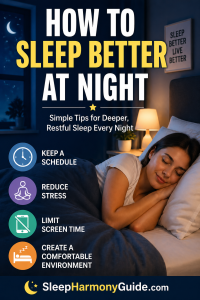
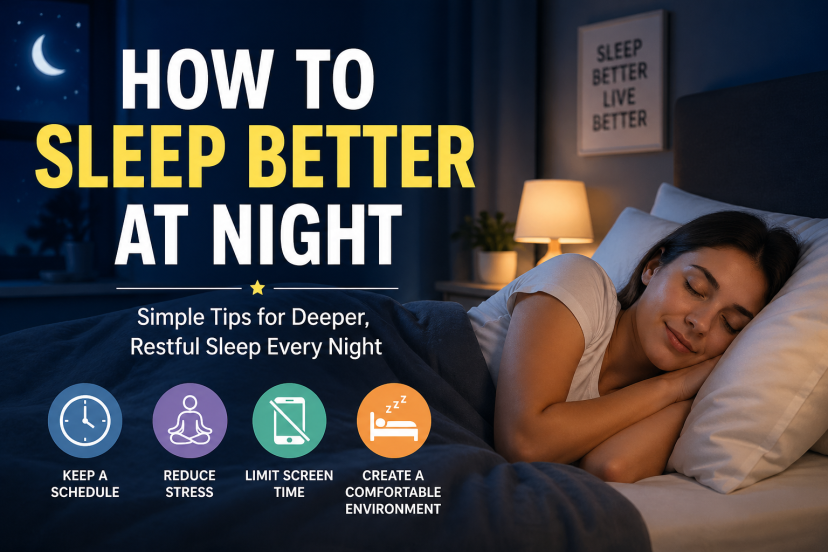
⚡ Quick Answer: How To Sleep Better At Night
If you want better sleep starting tonight, focus on these essentials:
- Go To Bed At The Same Time Every Night
- Avoid Screens 60 Minutes Before Sleep
- Keep Your Room Cool, Dark, And Quiet
- Limit Caffeine After Midday
- Create A Simple Wind-Down Routine
These alone can dramatically improve your sleep quality within days.

Now let’s break it down so you can actually make it work.
🧠 Understand What Controls Your Sleep
Sleep isn’t just about being tired—it’s controlled by two main systems:
1. Your Body Clock (Circadian Rhythm)
This internal clock tells your body when to feel awake and when to feel sleepy.
It’s influenced by:
- Light exposure
- Daily routine
- Consistency
2. Sleep Pressure
The longer you stay awake, the more your body builds a natural drive to sleep.
This builds during the day and resets overnight.
👉 When these two systems are aligned, sleep feels natural and easy.
👉 When they’re off, you feel wired at night and exhausted in the morning.
🛏️ 1. Fix Your Sleep Schedule First (This Is HUGE)
If there’s one thing that makes the biggest difference, it’s this:
Go to bed and wake up at the same time every day.
Yes—even weekends.
Why it works:
- Trains your body clock
- Improves sleep depth
- Reduces nighttime wake-ups
Simple Strategy:
- Pick a realistic bedtime (not an ideal one)
- Stick to it for 7–10 days
- Wake up at the same time, no matter what
Tip: If you can’t fall asleep, don’t force it. Stay consistent instead.
📵 2. Reduce Nighttime Stimulation (Your Brain Needs To Power Down)
One of the biggest sleep killers today is overstimulation before bed.
Your brain doesn’t just “turn off”—it needs time to slow down.
Avoid This Before Bed:
- Scrolling social media
- Watching intense shows
- Checking emails or work messages
- Bright overhead lighting
Replace With This:
- Reading something light
- Listening to calm music
- Stretching gently
- Taking a warm shower
Goal: Tell your brain, “It’s time to sleep.”
💡 3. Control Light Exposure (This Affects Sleep More Than You Think)
Light is one of the strongest signals for your body clock.
During The Day:
- Get natural sunlight early in the morning
- Even 10–20 minutes helps reset your rhythm
At Night:
- Dim lights 1–2 hours before bed
- Avoid bright screens or use night mode
Why it matters:
- Light suppresses melatonin (your sleep hormone)
- Darkness helps your body prepare for sleep
🌡️ 4. Optimize Your Sleep Environment
Your bedroom should make sleep easier—not harder.
Ideal Sleep Conditions:
- Cool Temperature: Around 16–20°C (60–68°F)
- Dark Room: Use blackout curtains if needed
- Quiet Space: White noise can help if needed
Small Upgrades That Help:
- Comfortable pillow and mattress
- Clean sheets
- Decluttered room
Even small changes here can improve sleep quality fast.
☕ 5. Watch What You Eat And Drink
What you consume during the day has a direct impact on your sleep.
Avoid:
- Caffeine After 1–2 PM
- Heavy meals late at night
- Alcohol close to bedtime
Better Choices:
- Light dinner 2–3 hours before sleep
- Herbal tea (like chamomile)
- Water throughout the day
👉 Caffeine can stay in your system for up to 8 hours—don’t underestimate it.
🧘 6. Calm Your Mind Before Bed
A busy mind is one of the biggest reasons people can’t sleep.
You might feel physically tired—but mentally wide awake.
Try This Simple Routine:
- Write down your thoughts or worries
- Make a short to-do list for tomorrow
- Practice slow breathing
Example Breathing Exercise:
- Inhale for 4 seconds
- Hold for 4 seconds
- Exhale for 6–8 seconds
- Repeat for 2–3 minutes
This helps shift your body into a relaxed state.
🏃 7. Move Your Body (But At The Right Time)
Exercise improves sleep—but timing matters.
Best Practice:
- Exercise earlier in the day or the afternoon
Avoid:
- Intense workouts right before bed
Why:
- Exercise raises your heart rate and energy levels
- Late workouts can delay sleep
Even light daily movement can improve sleep depth.
😴 8. Don’t Stay In Bed Awake Too Long
This is a mistake most people make.
If you’re lying awake for 20–30 minutes:
👉 Get out of bed.
Do something calm in low light until you feel sleepy again.
Why this works:
- Prevents your brain from linking bed = frustration
- Strengthens bed = sleep association
📅 9. Be Careful With Naps
Naps can help—or hurt your sleep.
If You Nap:
- Keep it short (20–30 minutes)
- Avoid late afternoon naps
If You Struggle With Night Sleep:
- Try skipping naps entirely for a few days
This helps rebuild your natural sleep pressure.
🚫 Common Sleep Mistakes To Avoid
Many people unknowingly sabotage their sleep.
Watch Out For:
- Inconsistent sleep schedule
- Too much screen time at night
- Late caffeine intake
- Overthinking in bed
- Using your bed for work or scrolling
Fixing just 1–2 of these can make a noticeable difference.
⏳ How Long Does It Take To See Results?
Most people start noticing improvements within:
- 3–5 days → easier to fall asleep
- 1–2 weeks → deeper, more consistent sleep
The key is consistency—not perfection.
🧩 Build Your Simple Night Routine (Example)
Here’s a realistic routine you can follow:
- 9:00 PM – Dim lights, stop screens
- 9:15 PM – Light activity (reading, stretching)
- 9:30 PM – Shower or relax
- 9:45 PM – Calm breathing or journaling
- 10:00 PM – Bedtime
Keep it simple and repeatable.
❓ FAQ: How To Sleep Better At Night
Why Can’t I Sleep Even When I’m Tired?
Your body may be tired, but your mind is still active. Stress, screens, and irregular schedules are common causes.
What Is The Best Time To Go To Bed?
Most adults do best sleeping between 10 PM and 11 PM—but consistency matters more than the exact time.
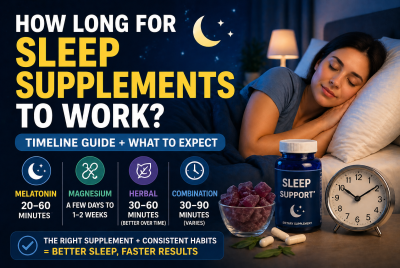
Does Melatonin Help?
Melatonin can help in the short term, but fixing habits and environment is more effective long-term.
How Many Hours Of Sleep Do I Need?
Most adults need 7–9 hours per night for optimal health.
🌟 Final Thoughts: Better Sleep Starts With Small Changes
If you want to know how to sleep better at night, the answer isn’t complicated—but it does require consistency.
Focus on:
- A regular sleep schedule
- A calm evening routine
- A sleep-friendly environment
You don’t need to do everything at once.
Start with 2–3 changes tonight.
Stick with them.
And your sleep will improve—naturally.
 Disclaimer
 Disclaimer
This content is for informational purposes only and is not intended as medical advice. Always consult a qualified healthcare professional if you have ongoing sleep problems or health concerns.
 Explore more: