Restless Legs Syndrome At Night: Relief Strategies That Actually Help
😴 When Your Legs Won’t Let You Sleep
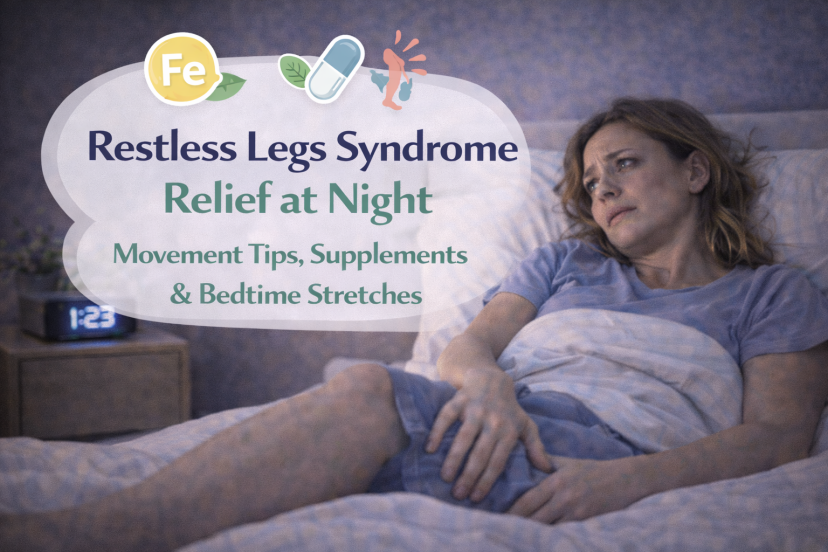
You’re exhausted. Your eyes are heavy. You finally lie down—then it starts. An uncomfortable urge to move your legs. Tingling. Crawling sensations. Sudden leg twitching that makes staying still feel impossible.
If nights like this sound familiar, you’re not imagining it. Restless Legs Syndrome (RLS) is a real neurological condition that often worsens at night and can seriously disrupt sleep. The good news? There are effective, research-backed ways to find restless legs syndrome relief at night and reclaim more peaceful rest.
This guide explains why RLS flares after dark, what’s happening in your nervous system, and how to reduce symptoms naturally with movement, supplements, bedtime stretches, and lifestyle strategies.
🧠 What Is Restless Legs Syndrome?
Restless Legs Syndrome is a neurological movement disorder marked by an uncontrollable urge to move the legs, usually accompanied by uncomfortable sensations.
🦵 Key Characteristics
-
Symptoms worsen at rest
-
Movement temporarily relieves discomfort
-
Symptoms intensify in the evening or at night
-
Sleep is frequently disrupted
RLS affects millions of adults in the U.S., and many experience symptoms primarily at bedtime.
🌙 Why Restless Legs Syndrome Gets Worse At Night
Understanding why symptoms peak at night helps explain restless legs syndrome relief at night strategies.
🌿 Nighttime Triggers
-
Reduced dopamine activity after sunset
-
Slower circulation sleep patterns during rest
-
Increased awareness when distractions fade
-
Lower iron availability in the brain
These factors combine to make evenings the most challenging time for RLS sufferers.
🧬 Common Causes Of Restless Legs Syndrome
🧠 Neurological Factors
RLS is linked to dopamine imbalance, which affects muscle movement and sensory signals.

🩸 Iron Deficiency
Low iron levels—especially in the brain—are a major contributor.
-
Even “normal” blood iron may be insufficient for RLS
-
Ferritin levels below optimal can trigger symptoms
🌿 Other Contributing Factors
-
Pregnancy
-
Kidney disease
-
Certain medications (antihistamines, antidepressants)
-
Chronic stress or poor sleep
😣 Symptoms That Disrupt Sleep
RLS symptoms vary but commonly include:
🦵 Physical Sensations
-
Crawling or pulling feelings
-
Tingling or burning
-
Tightness deep in the legs
-
Repetitive leg twitching
😴 Sleep Effects
-
Difficulty falling asleep
-
Frequent nighttime awakenings
-
Daytime fatigue and irritability
These symptoms explain why targeted restless legs syndrome relief at night is so important.
🌿 Movement-Based Relief Strategies
Movement is one of the fastest ways to reduce symptoms.
💪 Gentle Evening Activity
-
Light walking
-
Easy cycling
-
Standing calf raises
Avoid intense workouts late at night, which may worsen symptoms.
🧘 Bedtime Stretches For Restless Legs Syndrome Relief At Night
Stretching helps calm nerves and improve circulation.
🦵 Effective Bedtime Stretches
-
Calf stretch against the wall
-
Hamstring stretch on the bed
-
Seated ankle circles
-
Gentle quad stretch
Hold each stretch for 20–30 seconds while breathing slowly.
🌿 Massage And Pressure Techniques
👐 Self-Massage
-
Massage calves and thighs before bed
-
Use slow, firm strokes
-
Focus on warmth and relaxation
🧦 Compression Socks
Some people find that light compression improves circulation, sleep, and reduces symptoms.
🌡️ Heat And Cold Therapy
Temperature can strongly influence RLS sensations.
🌿 What To Try
-
Warm bath or shower before bed
-
Heating pad on calves
-
Cold pack if heat worsens symptoms
Experiment to see which works best for your body.

💊 Supplements That May Help Restless Legs Syndrome
Supplements don’t cure RLS, but they can significantly reduce symptoms when deficiencies are present.
💊 Iron (If Deficient)
Iron is critical for dopamine production.
-
Test ferritin levels before supplementing
-
Iron should only be taken under medical guidance
This is especially important for lasting restless legs syndrome relief at night.
💊 Magnesium
Magnesium supports muscle relaxation and nerve signaling.
Benefits:
-
Reduces muscle tension
-
May decrease leg twitching
-
Supports calmer sleep
Typical dose: 200–400 mg magnesium glycinate before bed
💊 Melatonin
Melatonin doesn’t treat RLS directly but may help with sleep timing.
-
Use low doses
-
Best for short-term support
🌿 Herbal Teas
-
Chamomile
-
Valerian root
-
Lemon balm
These may promote relaxation and improve sleep quality.
🌙 Lifestyle Habits That Reduce Nighttime Symptoms
🌿 Limit RLS Triggers
-
Reduce caffeine after early afternoon
-
Avoid nicotine and excess alcohol
-
Review medications with your doctor
🌙 Improve Sleep Environment
-
Keep a consistent bedtime
-
Use supportive bedding
-
Try white noise machines (LectroFan, Hatch)
Reducing sleep disruptions helps minimize symptom awareness.
🔇 Tools That Support Better Sleep With RLS
✅ Helpful Options
-
Sleep trackers (Fitbit, Oura Ring) to spot patterns
-
Weighted blankets (some find relief, others don’t)
Use tools to support comfort—not to monitor obsessively.

🌿 Circulation Sleep Strategies
Improving blood flow may reduce symptoms.
🦵 Circulation Tips
-
Elevate legs briefly before bed
-
Avoid tight clothing at night
-
Stay hydrated
Healthy circulation supports nerve and muscle function.
🌿 Stress Management And RLS
Stress can worsen neurological symptoms.
🌿 Relaxation Practices
-
Slow breathing exercises
-
Guided meditation
-
Body scan relaxation
Calming the nervous system often reduces nighttime RLS intensity.
🩺 When To See A Doctor About Restless Legs Syndrome
While mild cases can be managed at home, medical evaluation is sometimes necessary.
🚨 Seek Medical Help If
-
Symptoms occur most nights
-
Sleep loss affects daily life
-
Iron deficiency is suspected
-
Symptoms are worsening
A doctor may check iron levels, adjust medications, or recommend specific therapies.
❓ FAQs: Restless Legs Syndrome Relief At Night
❓ What Causes Restless Legs Syndrome At Night?
Reduced dopamine activity, low iron, and slower circulation contribute to nighttime symptoms.
❓ Does Iron Deficiency Cause RLS?
Yes. Iron deficiency is one of the most common underlying causes.

❓ Can Magnesium Help Restless Legs Syndrome?
Magnesium may help relax muscles and reduce leg twitching in some people.
❓ Are Stretches Effective Before Bed?
Yes. Gentle bedtime stretches often reduce symptom intensity.
❓ Does Walking Help During An Episode?
Yes. Movement usually provides temporary relief.
❓ Can RLS Go Away On Its Own?
Some cases improve with lifestyle changes or treatment of underlying causes.
❓ Is Restless Legs Syndrome Serious?
It’s not dangerous, but it can severely affect sleep and quality of life if untreated.
🌙 Conclusion: Relief Is Possible—One Night At A Time
Restless Legs Syndrome can make nights feel endless, but it doesn’t have to control your sleep forever. With the right combination of movement, supplements, stretches, and calming routines, many people experience real restless legs syndrome relief at night.
Start small. Track what helps. Be patient with your body. Better sleep is often the result of consistent, gentle changes—not drastic fixes.
You deserve rest that feels calm, comfortable, and restorative.
⚠️ Sleep Health Disclaimer
This article is for educational purposes only and does not replace professional medical advice. Always consult a qualified healthcare provider before starting supplements or treatment for Restless Legs Syndrome or other sleep-related conditions.
 Explore more:

- Herbal Supplements That Support Deep Sleep
- Why You Wake Up Tired After 8 Hours Of Sleep
- Natural Remedies for Insomnia That Actually Work