The Science Behind Weighted Blankets: Do Weighted Blankets Help You Sleep?
🌙 When Sleep Feels Hard Every Night
If you lie in bed with racing thoughts, restless legs, or a tight, anxious feeling in your chest, you’re not alone. Millions of people struggle with poor sleep, nighttime anxiety, and light sleeping. You might feel tired all day — yet wide awake at night.
That’s why weighted blankets have become so popular. They promise calm, comfort, and deeper sleep. But do weighted blankets help you sleep, or is it just hype?
In this guide, you’ll learn:
-
How weighted blankets work
-
What science says about deep pressure stimulation
-
How they affect anxiety and sleep comfort
-
Who should and shouldn’t use them
-
How to choose the right one
Let’s explore the real science behind weighted blankets — and whether they can help you sleep better.
🧠 What Are Weighted Blankets?
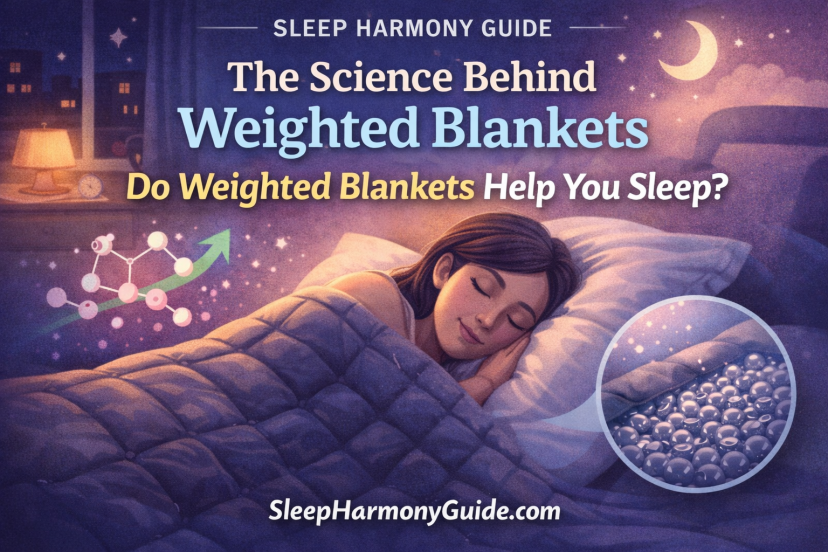
Weighted blankets look like regular blankets, but they are filled with:
-
Glass beads
-
Plastic pellets
-
Sand-like micro beads
They usually weigh between 5 and 30 pounds. The extra weight creates gentle, even pressure across your body.
This pressure is called deep pressure stimulation — a calming type of touch that helps the nervous system relax.
🌿 How Deep Pressure Stimulation Works
Deep pressure stimulation sends calming signals to your brain. It:

-
Lowers stress hormones
-
Boosts feel-good chemicals like serotonin
-
Helps your body feel safe and grounded
-
Slows heart rate and breathing
This is why hugs, swaddling, or tight blankets feel comforting — they use the same idea.
Weighted blankets copy that feeling in a safe, steady way.
💤 Do Weighted Blankets Help You Sleep?
So, do weighted blankets help you sleep? For many people, yes — especially if sleep problems are linked to anxiety, stress, or sensory sensitivity.
Studies suggest weighted blankets may:
-
Help people fall asleep faster
-
Reduce nighttime anxiety
-
Improve sleep comfort
-
Increase feeling of safety
-
Reduce tossing and turning
They don’t work for everyone, but many users report deeper, calmer sleep.
🌙 Why Sleep Problems Happen
Before fixing sleep, it helps to know what causes problems.
🦵 Common Causes Of Poor Sleep
-
Stress and anxiety
-
Overthinking at night
-
Loud or bright bedrooms
-
Poor sleep schedule
-
Too much screen time
-
Caffeine or sugar late in the day
🌿 Symptoms Of Bad Sleep
-
Trouble falling asleep
-
Waking up often
-
Feeling tired in the morning
-
Mood changes
-
Poor focus
-
Body tension
Weighted blankets mainly help when stress, anxiety, or sensory issues are part of the problem.
💪 How Weighted Blankets Reduce Anxiety
Weighted blankets are often used for weighted blanket anxiety relief.
They may help by:
-
Lowering cortisol (stress hormone)
-
Raising serotonin and dopamine
-
Creating calm body signals
-
Helping breathing slow down
Many people with:
-
Anxiety
-
PTSD
-
ADHD
-
Autism
-
Restless sleep
Report feeling calmer under a weighted blanket.
🌿 Weighted Blankets And Sleep Comfort
Sleep comfort matters more than most people think. A bad sleep surface can ruin even a long night in bed.
Weighted blankets may improve sleep comfort by:
-
Making the body feel supported
-
Reducing fidgeting
-
Giving a “hug-like” feeling
-
Making it easier to relax muscles
Comfort is personal. Some love heavy blankets. Others feel trapped.
🧪 What Science Says About Weighted Blankets
Research on weighted blankets is growing.
Some studies show:
-
Reduced anxiety before sleep
-
Better sleep quality in anxious people
-
Improved calm in people with insomnia
-
Less movement during sleep
However:
-
Not all studies show strong results
-
Effects vary by person
-
More research is still needed
So the answer to Do weighted blankets help you sleep is: often yes, but not for everyone.
🌙 Who Should Try A Weighted Blanket?
Weighted blankets may help people who:
-
Have anxiety or nighttime stress
-
Toss and turn a lot
-
Feel restless in bed
-
Have sensory sensitivity
-
Want more sleep comfort
They are often used by:
-
Adults with anxiety
-
Teens with stress
-
People with ADHD or autism
-
Light sleepers
🚫 Who Should Avoid Weighted Blankets?
Weighted blankets are not safe for everyone.
Avoid or ask a doctor if you:
-
Have breathing problems
-
Have sleep apnea
-
Have circulation issues
-
Are very small or frail
-
Feel trapped easily
-
Have joint or muscle pain
Children and teens should only use weighted blankets with adult guidance.
🛏️ How Heavy Should Your Weighted Blanket Be?
A common rule:
-
Blanket weight = about 10% of your body weight
💡 Examples
-
120 lb person → 12 lb blanket
-
150 lb person → 15 lb blanket
-
180 lb person → 18 lb blanket
Start lighter if you’re unsure. You can always go heavier later.
🧵 Choosing The Right Weighted Blanket
✅ What To Look For
-
Breathable fabric
-
Even weight distribution
-
Washable cover
-
Glass beads instead of plastic
-
Trusted U.S. brands
Popular U.S. brands include:
-
Gravity Blanket
-
YnM
-
Bearaby
-
Luna
-
Baloo Living
🌿 Best Fabrics
-
Cotton for breathability
-
Bamboo for cooling
-
Minky for softness
-
Cooling fabrics for hot sleepers
🌙 How To Use A Weighted Blanket Correctly
✅ Best Tips
-
Use only while resting
-
Keep face and neck free
-
Use in a cool room
-
Start with short periods
-
Remove if uncomfortable
⚠️ Avoid These Mistakes
-
Sleeping too hot
-
Using too heavy blanket
-
Using when sick or weak
-
Covering the face or head
🌿 Combine Weighted Blankets With Sleep Habits
Weighted blankets work best with healthy routines.
🌙 Night Routine
-
Turn off screens 1 hour before bed
-
Dim lights
-
Stretch gently
-
Read or journal
-
Drink calming tea
🦵 Body Relaxation
-
Slow breathing
-
Light stretching
-
Muscle relaxation
-
Gentle yoga
💊 Supplements That Support Sleep
Always ask a doctor before taking supplements.

💊 Common Options
-
Melatonin – helps with sleep timing
-
Magnesium – relaxes muscles
-
L-Theanine – calms the mind
-
Glycine – supports deep sleep
Use low doses and avoid mixing many at once.
🌿 Herbal Teas For Better Sleep
-
Chamomile
-
Lavender
-
Lemon balm
-
Passionflower
-
Valerian
These pair well with the use of a weighted blanket.
🌙 Other Tools That Help Sleep
-
White noise machines
-
Sleep trackers
-
Blackout curtains
-
Cooling mattresses
-
Smart lights
Many U.S. readers use:
-
Hatch sound machines
-
Fitbit or Oura rings
-
Apple Watch sleep tracking
-
Casper or Purple mattresses
🚨 When To See A Doctor
See a doctor or sleep specialist if you:
-
Feel tired every day
-
Snore loudly
-
Stop breathing at night
-
Have panic at bedtime
-
Feel depressed or hopeless
Sleep issues can signal:
-
Sleep apnea
-
Anxiety disorders
-
Depression
-
Hormone problems
-
Chronic pain
Weighted blankets help with symptoms — but not serious medical causes.
❓ FAQs About Weighted Blankets And Sleep
1. Do weighted blankets help you sleep?
Yes, many people sleep better using them — especially those with anxiety or restlessness.
2. Can weighted blankets reduce anxiety?
Yes, they use deep pressure stimulation to calm the nervous system.
3. Are weighted blankets safe?
They are safe for most adults but not for people with breathing or circulation problems.
4. How heavy should my weighted blanket be?
About 10% of your body weight is a good starting point.
5. Can kids use weighted blankets?
Yes, but only with adult guidance and proper size.
6. Do weighted blankets make you hot?
Some can. Choose breathable or cooling fabrics.
7. How long before I see results?
Some feel calm right away. Others need a few nights to adjust.
🌙 Conclusion: Comfort Can Change Your Sleep
So, do weighted blankets help you sleep? For many people, yes. They offer calm, comfort, and support through deep pressure stimulation.
They’re not magic. But when combined with good sleep habits, relaxing routines, and a healthy lifestyle, they can be a powerful tool.
Better sleep starts with feeling safe, calm, and comfortable. Sometimes, a gentle weighted hug is exactly what your body needs.
⚠️ Disclaimer
This article is for educational purposes only and does not replace medical advice. Always talk to a healthcare provider before using weighted blankets, supplements, or if you have long-term sleep problems, anxiety, or medical conditions.
 Explore more: