Sound Therapy And Sleep: White Noise Vs Pink Noise For Better Rest
🌙 Why Sleep Sounds Matter
If you’ve ever lain in bed with racing thoughts, a noisy mind, or a restless body, you’re not alone. Millions of people in the U.S. struggle with poor sleep, light sleeping, and insomnia. Traffic noise, neighbors, barking dogs, phones buzzing, or even your own thoughts can keep you awake.
That’s why more people are turning to sound therapy. Using sleep sounds like white noise or pink noise can help block distractions, calm the nervous system, and make falling asleep easier. But when it comes to white noise vs pink noise for sleep, which one actually works better?
In this guide, you’ll learn:
-
What white noise and pink noise really are
-
How each one affects sleep quality
-
Pros and cons of each sound type
-
How to use sound machines the right way
-
Natural sleep tips to combine with sound therapy
Let’s help you build a peaceful acoustic environment for deeper, better sleep.
🌿 What Is Sound Therapy For Sleep?
Sound therapy uses gentle, steady sound to help your brain relax. It works by:
-
Masking sudden noises
-
Reducing nighttime anxiety
-
Creating a sense of safety
-
Training your brain to relax
Sleep sounds can come from:
-
White noise machines
-
Pink noise tracks
-
Ambient noise apps
-
Fans or air purifiers
-
Smart speakers
-
Sound machines for babies and adults
Popular U.S. brands include:
-
Hatch
-
LectroFan
-
Marpac Dohm
-
Yogasleep
-
Homedics
Sound therapy is safe, simple, and drug-free — which makes it great for teens, adults, and seniors.

🎧 What Is White Noise?
White noise contains all sound frequencies at the same intensity. It sounds like:
-
A fan
-
Static
-
Rain on a roof
-
TV static
-
Airplane cabin noise
White noise works by covering up sudden sounds like:
-
Doors closing
-
Cars passing
-
People talking
-
Dogs barking
Because it’s steady and even, your brain stops reacting to small changes in sound.
✅ Benefits Of White Noise
-
Blocks background noise
-
Helps light sleepers stay asleep
-
Improves focus and calm
-
Easy to find on sound machines
-
Great for noisy homes or apartments
⚠️ Downsides Of White Noise
-
Can sound harsh to some people
-
May feel too loud or sharp
-
Not everyone finds it soothing
🎵 What Is Pink Noise?
Pink noise is softer and deeper than white noise. It lowers high frequencies and boosts low ones. It sounds like:
-
Steady rain
-
Wind in trees
-
Ocean waves
-
Rustling leaves
-
Waterfalls
Pink noise feels more natural and calming to many people.
✅ Benefits Of Pink Noise
-
Feels smoother than white noise
-
More relaxing for sensitive ears
-
May improve deep sleep
-
Sounds more like nature
-
Less harsh at high volume
⚠️ Downsides Of Pink Noise
-
Doesn’t mask noise as strongly
-
Harder to find on basic machines
-
Some people prefer a sharper sound
💤 White Noise Vs Pink Noise For Sleep
When comparing white noise vs pink noise for sleep, it depends on your sleep needs.
🦵 White Noise Is Better If You:
-
Live in a noisy area
-
Wake easily from sounds
-
Need strong noise blocking
-
Sleep lightly
-
Share walls or roommates
🌿 Pink Noise Is Better If You:
-
Have anxiety or racing thoughts
-
Prefer natural sounds
-
Are sensitive to sharp noise
-
Want deeper, calmer sleep
-
Struggle to relax at bedtime
💡 Simple Comparison
-
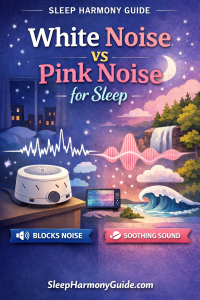
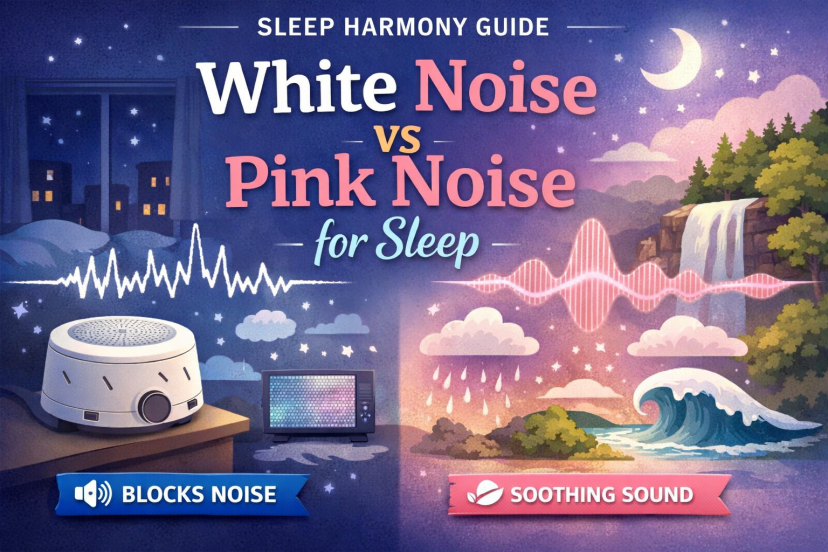
White noise = stronger noise blocking
-
Pink noise = more soothing and natural
-
White noise = sharper sound
-
Pink noise = softer sound
The best choice is the one that helps you relax and stay asleep.
🌙 How Sleep Sounds Improve Sleep Quality
Sleep sounds help your brain in three main ways:
💪 1. They Mask Disruptions
Sudden sounds wake your brain. Sound therapy smooths out noise changes so your brain stays calm.
🧠 2. They Calm The Nervous System
Steady sound tells your body it’s safe. Heart rate slows. Breathing becomes deeper.

🌿 3. They Create Sleep Habits
Using the same sound every night trains your brain to connect it with sleep.
🎧 How To Use Sound Machines Correctly
Using sleep sounds the right way matters.
✅ Best Sound Machine Tips
-
Place machine 3–6 feet from the bed
-
Keep volume low to medium
-
Avoid sudden volume changes
-
Use the same sound every night
-
Combine with a dark, cool room
⚠️ Avoid These Mistakes
-
Playing too loud
-
Changing sounds every night
-
Putting the speaker next to the ear
-
Using phone notifications at night
🌿 Natural Ways To Boost Sound Therapy
Sound therapy works even better when paired with healthy sleep habits.
🌙 Evening Wind-Down Routine
-
Turn off bright screens 1 hour before bed
-
Dim lights after sunset
-
Take a warm shower
-
Stretch gently
-
Read or journal
🦵 Body Relaxation Tips
-
Light stretching
-
Slow breathing
-
Progressive muscle relaxation
-
Gentle yoga
🌿 Herbal Sleep Aids
-
Chamomile tea
-
Valerian root
-
Lavender tea
-
Lemon balm
💊 Supplements That Support Sleep
Always talk to a doctor before using supplements.
💊 Common Sleep Supplements
-
Melatonin – helps regulate the sleep cycle
-
Magnesium – relaxes muscles and nerves
-
L-Theanine – calms the mind
-
Glycine – supports deeper sleep
⚠️ Safety Tips
-
Start with a low dose
-
Avoid mixing many supplements
-
Do not use daily without advice
-
Teens should ask a doctor first
🌙 Lifestyle Habits For Better Sleep
Your daily habits matter more than you think.
💪 Daytime Sleep Support
-
Get morning sunlight
-
Move your body daily
-
Limit naps
-
Avoid caffeine after 2 PM
-
Eat regular meals
🌿 Bedroom Environment
-
Cool temperature (65–70°F)
-
Dark room
-
Quiet space
-
Comfortable mattress
-
Clean bedding
🧪 Sound File Demos: What To Try
Try both types for 3–5 nights each:
-
Night 1–3: White noise
-
Night 4–6: Pink noise
Notice:
-
How fast do you fall asleep
-
How often do you wake up
-
How rested do you feel
Choose the one that works best for you.
🚨 When To See A Doctor
See a doctor or sleep specialist if you:
-
Can’t sleep for weeks
-
Feel tired every day
-
Snore loudly or gasp at night
-
Have nightmares often
-
Have anxiety or panic at night
-
Fall asleep during the day
Sleep problems can be a sign of:
-
Sleep apnea
-
Anxiety disorders
-
Depression
-
Hormone imbalance
-
Chronic pain
❓ FAQs About White Noise Vs Pink Noise For Sleep
1. Is white noise or pink noise better for sleep?
Both work. White noise blocks sound better. Pink noise feels calmer. Choose what helps you relax.
2. Can sleep sounds damage hearing?
No, if volume stays low to medium. Avoid loud volume near the ears.
3. Is it okay to use sound machines every night?
Yes. Many people safely use them long-term.
4. Can kids and teens use sleep sounds?
Yes, at a safe volume and with parent guidance.
5. Does pink noise help with deep sleep?
Some studies suggest pink noise may improve deep sleep waves.
6. Can I use a phone instead of a sound machine?
Yes, but use airplane mode and no notifications.
7. What if neither sound helps?
Try nature sounds, breathing exercises, or talk to a doctor.
🌙 Conclusion: Choose The Sound That Brings You Peace
When it comes to white noise vs pink noise for sleep, there is no perfect answer for everyone. The best sound is the one that makes you feel calm, safe, and relaxed.

White noise is great for blocking noise. Pink noise is perfect for calming your mind. Try both, listen to your body, and build a sleep routine that supports your health.
Good sleep is not a luxury — it’s a foundation for energy, focus, mood, and happiness.
⚠️ Disclaimer
This article is for educational purposes only and does not replace medical advice. Always talk to a healthcare provider before using supplements or if you have long-term sleep problems, anxiety, or health conditions.
 Explore more: