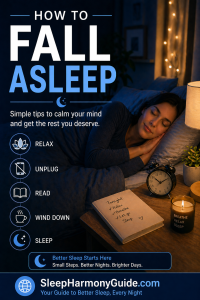
How To Fall Asleep Fast (Simple Methods That Actually Work)
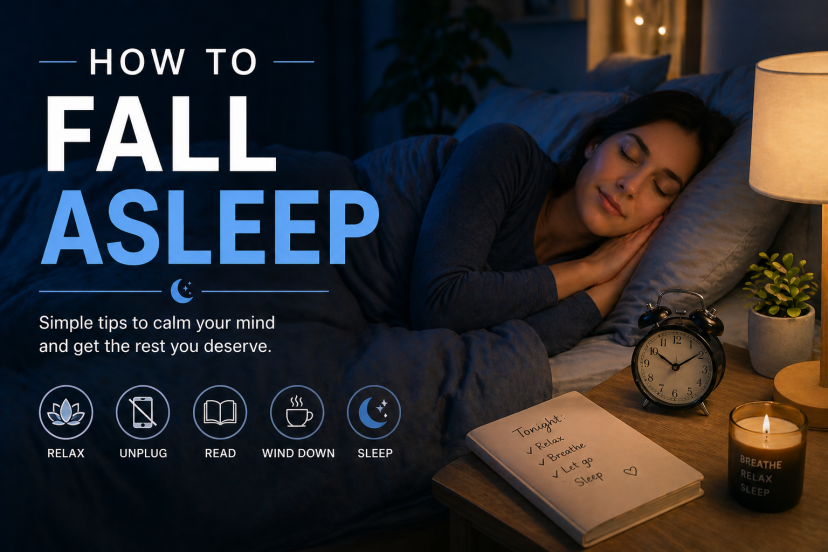
🌙 Why Falling Asleep Feels So Hard
You’re tired. You get into bed. You close your eyes…
…and nothing happens.
Your body feels ready for sleep—but your mind won’t stop racing.
Sound familiar?
You’re not alone. Millions of people struggle with falling asleep—not because something is “wrong,” but because modern habits work against natural sleep.
- Screens keep your brain alert
- Stress builds up during the day
- Irregular routines confuse your body clock
The result?
You lie awake longer than you should.
The good news: once you understand why this happens, falling asleep becomes much easier.

⚡ Quick Answer: How To Fall Asleep Fast
If you want to fall asleep faster tonight, start with these:
- Keep a consistent bedtime
- Avoid screens 60 minutes before bed
- Use slow breathing to calm your body
- Make your room cool, dark, and quiet
- Get out of bed if you can’t sleep after 20 minutes
These simple changes can reduce the time it takes to fall asleep within days.
🧠 What Actually Controls Falling Asleep
Falling asleep isn’t just about being tired.
It depends on two key systems:
1. Your Body Clock (Circadian Rhythm)
This controls when your body expects to sleep.
It’s influenced by:
- Light exposure
- Daily routine
- Consistency
2. Sleep Pressure
The longer you stay awake, the stronger your body’s need for sleep.
- When these work together, sleep feels natural.
- When they’re off, you feel “tired but wired.”
😴 1. Fix Your Sleep Timing First (Most Important Step)
If you’re going to fix one thing—make it this.
Go to bed at the same time every night.
Why it works:

- Trains your brain when to shut down
- Makes falling asleep automatic over time
- Reduces overthinking at night
Simple Plan:
- Pick a realistic bedtime
- Stick to it for 7–10 days
- Wake up at the same time daily
Even weekends matter.
📵 2. Stop Overstimulating Your Brain Before Bed
Your brain needs time to slow down.
If you go from high stimulation → bed instantly, your mind stays active.
Avoid Before Bed:
- Social media scrolling
- Intense shows or gaming
- Work emails or stress
Better Options:
- Reading something light
- Listening to calm music
- Stretching or relaxing
Think of this as a “cool-down” for your brain.
💡 3. Use Light To Your Advantage
Light tells your body whether to stay awake or sleep.
During The Day:
- Get sunlight early (10–20 minutes helps)
At Night:
- Dim lights 1–2 hours before bed
- Use night mode on devices
Why it matters:
- Bright light delays melatonin (sleep hormone)
- Darkness helps you feel sleepy faster
🌡️ 4. Make Your Bedroom Sleep-Friendly
Your environment can either help or block sleep.
Ideal Setup:
- Cool temperature (16–20°C / 60–68°F)
- Dark room (use blackout curtains if needed)
- Quiet space (or white noise if helpful)
Quick Wins:
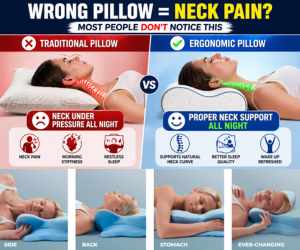
- Comfortable pillow
- Clean sheets
- Remove clutter
Small changes here can make a big difference.
☕ 5. Cut Off Caffeine At The Right Time
Caffeine can stay in your system for hours.
Rule:
- Avoid caffeine after 1–2 PM
Even if you don’t “feel” it, it can delay sleep.
Also limit:
- Energy drinks
- Strong tea late in the day
🧘 6. Calm Your Mind (This Is A Game-Changer)
A racing mind is one of the biggest reasons people can’t fall asleep.
You’re not just trying to sleep—you’re trying to stop thinking.
Try This Simple Method:
The 4-4-8 Breathing Technique:
- Inhale for 4 seconds
- Hold for 4 seconds
- Exhale slowly for 8 seconds
Repeat for 2–3 minutes.
This slows your heart rate and relaxes your body.
📝 7. Get Thoughts Out Of Your Head
If your mind keeps spinning, don’t fight it.
Write it down.
Quick Routine:
- List your worries
- Write tomorrow’s tasks
- Clear your mental “to-do list”
This tells your brain: “You don’t need to think about this now.”
🏃 8. Move Your Body During The Day
Exercise helps you fall asleep faster—but timing matters.
Best Practice:
- Exercise earlier in the day
Avoid:
- Intense workouts right before bed
Even light activity improves sleep quality.
🚫 9. Don’t Stay In Bed Awake
This is a mistake many people make.
If you’re awake for 20–30 minutes:
Get out of bed.
Do something relaxing in low light.
Why:
- Prevents your brain from linking bed = frustration
- Strengthens bed = sleep association
😵💫 10. Avoid Trying Too Hard To Sleep
This sounds strange—but it works.
The more you try to force sleep, the harder it becomes.
Sleep happens when you let go, not when you push.
Try This Instead:
- Focus on relaxing—not sleeping
- Let your mind drift naturally
🧩 Simple Night Routine That Works
Here’s a practical routine you can follow:
- 9:00 PM – Dim lights, stop screens
- 9:15 PM – Relax (reading/stretching)
- 9:30 PM – Shower or unwind
- 9:45 PM – Breathing or journaling
- 10:00 PM – Bedtime
Consistency makes this powerful.
⏳ How Long Should It Take To Fall Asleep?
Most people fall asleep within:
10–20 minutes
If it takes longer regularly, something may need adjusting.
🚫 Common Mistakes That Make Falling Asleep Harder
Watch out for these:
- Inconsistent sleep schedule
- Late caffeine intake
- Too much screen time
- Overthinking in bed
- Napping too late
Fixing just a few can improve results quickly.
💤 What If You Still Can’t Fall Asleep?
If nothing seems to work, try this reset:
- Wake up at the same time daily (no exceptions)
- Avoid naps for a few days
- Stick to a fixed bedtime
This rebuilds your natural sleep rhythm.
❓ FAQ: How To Fall Asleep
Why Can’t I Fall Asleep Even When I’m Tired?
Your body may be tired, but your mind is still active due to stress or overstimulation.
What Is The Best Way To Fall Asleep Fast?
A combination of routine, reduced stimulation, and relaxation techniques works best.
Should I Use Melatonin?
It can help in the short term, but improving habits is more effective long-term.
Is It Normal To Wake Up At Night?
Yes, but frequent waking may signal poor sleep quality.
🌟 Final Thoughts: Falling Asleep Should Feel Natural
If you’ve been struggling with how to fall asleep, remember:
Your body already knows how to sleep.
You just need to remove what’s getting in the way.
Focus on:
- Consistency
- Calm evenings
- A sleep-friendly environment
Start small.
Stay consistent.
And falling asleep will become easier—night after night.
⚠️ Disclaimer
This content is for informational purposes only and is not intended as medical advice. Always consult a qualified healthcare professional if you have ongoing sleep problems or health concerns.
 Explore more:
- Why Am I Always Tired After Sleeping?
- What Is Core Sleep?
- Why Do I Wake Up At 3 AM Every Night After 40?