Wake Up Feeling Worse Than Before Bed? 12 Reasons It Happens And What May Help
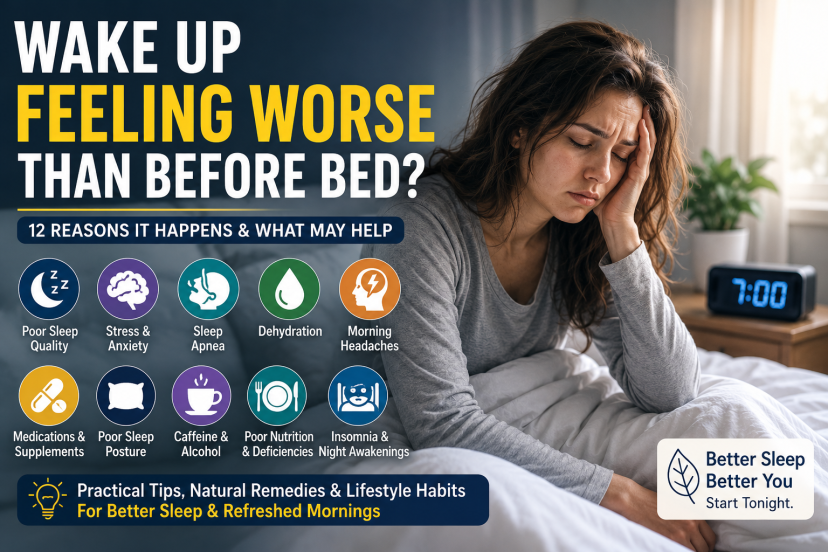
Have you ever climbed into bed exhausted, slept for what seemed like a full night, and somehow woke up feeling even worse than before you fell asleep?
It’s frustrating. You expect sleep to recharge your body and clear your mind, yet you wake up groggy, stiff, mentally foggy, or completely drained. Whether you struggle with insomnia, racing thoughts, restless sleep, or frequent nighttime awakenings, you’re certainly not alone.
Many adults wake up feeling worse despite spending enough hours in bed. The good news is that this usually happens for a reason. Sleep quality—not just sleep quantity—plays a major role in how you feel the next morning.
Understanding why you wake up feeling worse can help you make simple, practical changes that support deeper, more restorative sleep and healthier mornings.
⭐ Quick Answer
If you wake up feeling worse than before bed, common causes include poor sleep quality, sleep disorders, stress, dehydration, inconsistent sleep schedules, medications, poor sleep posture, nutritional deficiencies, and certain medical conditions. Improving sleep hygiene and addressing underlying issues may help you wake feeling more refreshed.
🌙 Why You Wake Up Feeling Worse After Sleeping
Many people assume that spending eight hours in bed guarantees a good night’s sleep.
Unfortunately, that’s not always true.
Your brain cycles through different stages of sleep throughout the night, including:

- Light sleep
- Deep sleep
- REM (rapid eye movement) sleep
These stages work together to repair muscles, regulate hormones, strengthen memory, support immunity, and restore energy.
If these stages are repeatedly interrupted, you may wake up feeling worse even after a full night’s sleep.
Common signs include:
- 😴 Brain fog
- 😴 Heavy eyelids
- 😴 Low motivation
- 😴 Body aches
- 😴 Morning headaches
- 😴 Poor concentration
- 😴 Irritability
- 😴 Feeling unrefreshed
😴 Common Reasons You Wake Up Feeling Worse
Poor Sleep Quality
One of the biggest reasons people wake up feeling worse is fragmented sleep.
Even if you don’t remember waking up, small interruptions throughout the night reduce deep restorative sleep.
Common causes include:
- Noise
- Pets
- Light
- Room temperature
- Stress
- Frequent bathroom trips
- Alcohol
Quality matters just as much as quantity.
Sleep Apnea
Sleep apnea affects millions of Americans and often goes undiagnosed.
During sleep, breathing repeatedly pauses, causing tiny awakenings that interrupt restorative sleep.
Symptoms may include:

- Loud snoring
- Morning headaches
- Dry mouth
- Excessive daytime sleepiness
- Waking up gasping for air
If these symptoms sound familiar, discuss them with your healthcare provider.
Insomnia
Difficulty falling asleep or staying asleep naturally reduces sleep quality.
Even when people with insomnia spend enough time in bed, they often wake up feeling worse because their sleep remains light and interrupted.
Chronic Stress And Anxiety
Stress doesn’t simply disappear once you close your eyes.
Elevated cortisol levels can keep your nervous system active overnight, reducing deep sleep.
Signs include:
- Racing thoughts
- Frequent waking
- Restlessness
- Muscle tension
- Vivid dreams
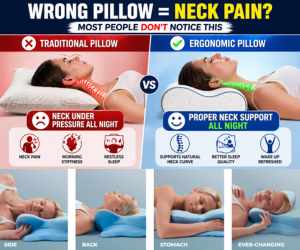
Sleeping In The Wrong Position
Poor sleeping posture may contribute to:
- Neck pain
- Shoulder stiffness
- Back discomfort
- Headaches
Many sleep experts recommend side sleeping with proper pillow support for comfort and spinal alignment.
Dehydration
Your body naturally loses fluids overnight.
Even mild dehydration may contribute to:
- Morning fatigue
- Dry mouth
- Headaches
- Low energy
Start each morning with a glass of water before reaching for coffee.
Nutritional Deficiencies
Several nutrient deficiencies may contribute to poor energy levels, including:
- Iron
- Vitamin D
- Vitamin B12
- Magnesium
A healthcare provider can determine whether testing is appropriate.
Medications
Some medications cause lingering drowsiness into the next morning.
Examples include:
- Allergy medications
- Certain antidepressants
- Sleep medications
- Muscle relaxers
- Some blood pressure medications
Never stop prescription medications without medical advice.
Alcohol Before Bed
Alcohol may help you fall asleep faster, but it often disrupts deep sleep later in the night.
Many people notice they wake up feeling worse after drinking alcohol close to bedtime.
Too Much Screen Time
Phones, tablets, and televisions emit blue light that may delay melatonin production.
Reducing screen exposure during the last hour before bed may improve sleep quality.
Lack Of Physical Activity
Regular exercise supports healthy sleep cycles.
Adults who stay active often experience:
- Better sleep quality
- More deep sleep
- Easier mornings
- Improved mood
Even a brisk 30-minute walk most days can help.
Underlying Medical Conditions
Sometimes poor sleep is a symptom rather than the primary problem.
Medical conditions associated with persistent morning fatigue include:
- Thyroid disorders
- Diabetes
- Chronic pain
- Restless legs syndrome
- Depression
- Chronic fatigue syndrome
- Heart disease
Persistent symptoms deserve medical evaluation.
🌿 Natural Ways To Stop Waking Up Feeling Worse
Fortunately, many sleep-friendly habits are simple to start.
Build A Consistent Sleep Schedule
Go to bed and wake up at approximately the same time every day.
Consistency strengthens your circadian rhythm, helping your body naturally prepare for sleep.
Create A Relaxing Bedtime Routine
Give your brain time to wind down.
Good bedtime habits include:
- 📖 Reading
- 🛁 Warm bath
- 🌿 Meditation
- 🧘 Gentle stretching
- 🎵 Relaxing music
- ✍️ Journaling
Repeating these activities each night teaches your brain that bedtime is approaching.
Optimize Your Bedroom
Your bedroom should encourage deep, uninterrupted sleep.
Consider:
- Blackout curtains
- Comfortable mattress
- Cooling bedding
- Quiet environment
- White noise machine
- Supportive pillow
Many U.S. households also use sleep trackers from brands like Fitbit, Garmin, Apple Watch, or Oura Ring to better understand sleep patterns.
Stay Hydrated
Drink enough water throughout the day instead of trying to catch up before bedtime.
Balanced hydration supports healthy circulation, muscle recovery, and overall well-being.
Watch Evening Meals
Heavy meals close to bedtime may increase:
- Acid reflux
- Indigestion
- Restless sleep
Instead, choose lighter dinners and healthy evening snacks if needed.
Limit Caffeine
Caffeine may stay in your body for six to eight hours.
Many sleep specialists recommend avoiding caffeine later in the afternoon.
🌸 Supplements That May Support Better Sleep
Some adults find supplements helpful alongside healthy sleep habits.
Popular options include:
Melatonin
Melatonin may help regulate sleep timing, particularly after travel or schedule changes.
Magnesium Glycinate
Magnesium supports muscle relaxation and normal nervous system function.
Chamomile Tea
Chamomile has long been used as a calming bedtime beverage.
Lemon Balm
Some people use lemon balm to promote relaxation before sleep.
Valerian Root
Valerian root may help certain adults fall asleep more easily, although research results remain mixed.
Always talk with your healthcare provider before starting supplements, especially if you take prescription medications or have chronic health conditions.
🌞 Lifestyle Habits That Help You Wake Refreshed
Small daytime habits often improve nighttime sleep.
Get Morning Sunlight
Natural light helps regulate your body’s internal clock.
Aim for 15–30 minutes outdoors shortly after waking whenever possible.
Exercise Regularly
Moderate exercise supports deeper sleep.
Examples include:
- Walking
- Swimming
- Cycling
- Yoga
- Strength training
Avoid intense workouts immediately before bedtime.
Manage Daily Stress
Stress management benefits sleep just as much as bedtime routines.
Helpful strategies include:
- Mindfulness meditation
- Deep breathing
- Prayer
- Journaling
- Counseling when needed
- Spending time outdoors
Avoid Long Daytime Naps
Short naps under 30 minutes may be refreshing.
Long naps late in the day can interfere with nighttime sleep.
📖 Learn More About Why You Wake Up Tired
If you often wake up feeling worse, you may also benefit from our detailed guide:
Why Do I Wake Up Tired? 15 Common Causes And What May Help
It covers additional causes of poor sleep, morning exhaustion, and practical strategies for improving sleep quality.
https://sleepharmonyguide.com/why-do-i-wake-up-tired-15-common-causes-and-what-may-help
🩺 When To See A Doctor
Occasional bad mornings are normal.
However, schedule an appointment with a healthcare provider or sleep specialist if you:
- Feel exhausted for several weeks despite healthy sleep habits
- Snore loudly or stop breathing during sleep
- Frequently wake gasping for air
- Experience severe daytime sleepiness
- Have morning headaches most days
- Fall asleep while driving or working
- Notice unexplained weight changes
- Experience depression or significant anxiety alongside poor sleep
A sleep study or medical evaluation may identify treatable causes.
❓ FAQs: Wake Up Feeling Worse
1. Why do I wake up feeling worse than when I went to bed?
Poor sleep quality, sleep disorders, stress, dehydration, medications, and underlying medical conditions can all prevent restorative sleep.
2. Can sleeping too much make you feel worse?
Yes. Oversleeping may disrupt your body’s natural sleep cycle and sometimes increase grogginess.
3. Why do I wake up exhausted after eight hours of sleep?
Eight hours may not include enough deep or REM sleep if your sleep is repeatedly interrupted.
4. Can anxiety cause me to wake up feeling worse?
Yes. Anxiety may increase nighttime awakenings, muscle tension, and racing thoughts that reduce sleep quality.
5. Does dehydration affect morning energy?
Even mild dehydration can contribute to headaches, fatigue, and difficulty concentrating after waking.
6. What supplements may help improve sleep quality?
Melatonin, magnesium glycinate, chamomile, lemon balm, and valerian root may help some adults, but consult your healthcare provider before using supplements.
7. When should I be concerned about waking up feeling worse?
If symptoms persist for several weeks, worsen over time, or include breathing problems, severe daytime sleepiness, chest pain, or other concerning symptoms, seek medical evaluation.
🎯 Final Thoughts
If you regularly wake up feeling worse, remember that your body is trying to tell you something.
In many cases, the cause isn’t simply “not enough sleep.” Instead, factors like poor sleep quality, stress, inconsistent routines, dehydration, or underlying health conditions may be preventing your body from fully recovering overnight.
The encouraging news is that many of these issues respond well to gradual, practical lifestyle changes. Improving your bedtime routine, staying active, managing stress, optimizing your sleep environment, and maintaining a consistent schedule can make a meaningful difference over time.
Start with one small change tonight. Better mornings often begin with healthier nights, and each positive habit brings you one step closer to waking up refreshed, energized, and ready for the day ahead.
Disclaimer: This article is for educational and informational purposes only and should not be considered medical advice. It is not intended to diagnose, treat, cure, or prevent any medical condition. Always consult a qualified healthcare professional before starting supplements, changing medications, or making significant changes to your sleep routine. If you experience persistent fatigue, suspected sleep disorders, or other concerning symptoms, seek medical evaluation promptly.
 Explore more: