Why Do I Wake Up Sweating at 45? Causes, Symptoms, and Natural Relief
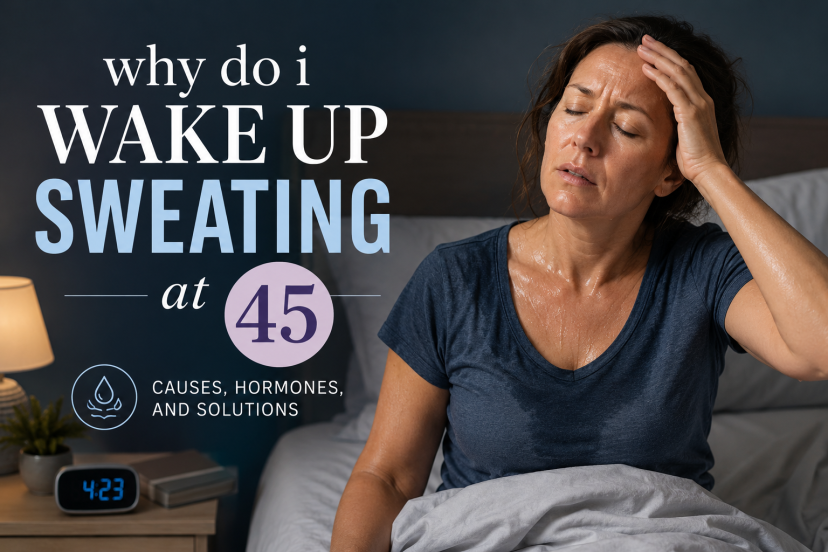
Waking up in the middle of the night drenched in sweat is an unsettling experience. You roll over, pull away the damp sheets, and find yourself wide awake at 3:00 AM, shivering as the cool air hits your skin.
If you are 45 years old, this scenario might be becoming a frustratingly regular part of your sleep routine. You are not alone. Turning 45 is a significant biological milestone, and nighttime temperature spikes are one of the most common complaints for adults in this age bracket.
While your mind might jump to worst-case scenarios, the reality is that midlife night sweats are usually a manageable biological signal. They indicate that your internal systems are shifting.
By understanding the root hormonal, lifestyle, and environmental causes of nighttime sweating at 45, you can reclaim your sleep health and wake up feeling rested instead of exhausted.
The Primary Culprit: Hormonal Shifts at 45
The most common reason for sudden nighttime sweating at age 45 is hormonal fluctuation. Your mid-40s represent a transitional bridge between young adulthood and the next biological chapter of life.
For Women: The Perimenopause Transition
For women, age 45 is the prime window for perimenopause. This is the multi-year transition period leading up to menopause. During perimenopause, your ovaries begin to produce less estrogen and progesterone, but they do not do so smoothly. Instead, hormone levels spike and crash unpredictably.
Your brain’s hypothalamus acts as the body’s internal thermostat. It regulates everything from heart rate to body temperature.
When estrogen levels suddenly drop, it confuses the hypothalamus. The brain mistakenly perceives that the body is overheating. In response, it triggers a massive rescue mission to cool you down:
- Your blood vessels dilate to release heat (causing a flush).
- Your sweat glands go into overdrive.
The result is a disruptive night sweat that leaves your clothing soaked.
For Men: Changing Testosterone Levels (Andropause)
Men are not immune to midlife hormonal shifts. While men do not experience a sudden drop in hormones like women do, they undergo a gradual decline in testosterone, often referred to as andropause.
Starting around age 30, testosterone levels drop by about 1% each year. By age 45, this cumulative decline can begin to manifest as physical symptoms.
Low testosterone directly impacts the hypothalamus and disrupts central thermoregulation. If you are a 45-year-old man waking up with night sweats, fluctuating androgen levels combined with metabolic changes are often the driving force.
Other Common Triggers of Midlife Night Sweats
While hormones are the most likely suspect, turning 45 often coincides with other physical, environmental, and medical shifts that trigger nighttime sweating.
 Trigger Category   | Primary Impact on Sleep & Temperature
 Thyroid Health     | Hyperthyroidism speeds up metabolism, raising heat.
 Stress & Cortisol  | Midlife stressors activate fight-or-flight at night.
 Prescriptions      | Antidepressants & blood pressure meds alter brain chem.
 Dietary Habits     | Alcohol and late-night spicy foods spike core temp.
1. Metabolism and Thyroid Changes
Your metabolism naturally evolves as you age. The thyroid gland, which controls your metabolic rate, can sometimes become overactive in your 40s—a condition known as hyperthyroidism. An overactive thyroid produces an excess of thyroxine, which accelerates your body’s internal functions, raises your baseline body temperature, and causes excessive sweating both day and night.
2. Stress and Cortisol Spike
The mid-40s are often peak stress years. Balancing career peaks, aging parents, teenage children, and financial planning can keep your nervous system in a chronic state of high alert.
When you live with chronic stress, your body pumps out elevated levels of cortisol and adrenaline. If your stress levels do not drop before bed, your body can experience a mini “fight-or-flight” response during lighter stages of sleep, causing a sudden heart rate spike and a burst of sweat.
3. Medications
At 45, you may be taking medications to manage everyday health conditions. Several common prescriptions list hyperhidrosis (excessive sweating) as a primary side effect:
- Antidepressants: Selective serotonin reuptake inhibitors (SSRIs) alter brain chemistry in ways that impact the hypothalamus’s thermostat.
- Blood Pressure Medications: Certain beta-blockers and antihypertensives interfere with how your body regulates blood flow and heat.
- Diabetes Management Drugs: If blood sugar drops too low overnight (hypoglycemia), the body releases adrenaline, causing profuse sweating.
4. Dietary Habits and Late-Night Triggers
Your digestive tract becomes more sensitive in your 40s. Foods and drinks that you could easily tolerate in your 20s may now directly ruin your sleep hygiene:
- Alcohol: Drinking wine or beer to wind down actually dilates your blood vessels and speeds up your heart rate, creating a guaranteed recipe for a 2:00 AM sweat cycle.
- Caffeine: Consuming caffeine late in the day stimulates the central nervous system, making temperature spikes more volatile.
- Spicy Foods: Capsaicin in spicy dishes tricks the brain into thinking your core temperature is rising, triggering the sweating reflex hours later while you sleep.
Actionable Solutions for Cooler Nights
You do not have to just live with broken sleep. Implementing targeted adjustments to your sleep environment, daily diet, and evening habits can drastically reduce the frequency and intensity of midlife night sweats.
Optimizing the Sleep Environment
To prevent your body from overheating, your physical environment must support natural temperature drops during the night.
- Switch to Breathable Bedding: Eliminate synthetic fabrics like polyester or nylon from your bed. Invest in moisture-wicking sheets made from natural bamboo, eucalyptus, linen, or long-staple organic cotton. These fabrics allow air to circulate and pull moisture away from your skin.
- The Ideal Room Temperature: Set your thermostat between 65°F and 68°F (18°C to 20°C). A cool room signals to your brain that it is time to sleep and helps your body maintain a lower baseline temperature.
- Use the Layering Method: Use lightweight, layered blankets instead of one thick duvet. This allows you to easily remove a layer in the middle of the night without completely uncovering yourself and catching a chill.
Dietary and Lifestyle Tweaks
Changing how you fuel your body in the evening can keep your nervous system calm and cool.
- Establish a “Cool Down” Cutoff: Avoid alcohol, heavy meals, and spicy foods for at least 3 to 4 hours before your head hits the pillow. If you want a warm beverage, switch to non-stimulating herbal options like chamomile or peppermint.
- Practice Evening Down-Regulation: Spend the last 30 minutes of your evening lowering your cortisol. Try box breathing (inhale for 4 seconds, hold for 4, exhale for 4, hold for 4) or progressive muscle relaxation to signal to your nervous system that it is safe to rest.
Natural Supplements to Consider
Consult with your primary care provider before starting any new supplement regimen to ensure it does not conflict with existing medications.
- Magnesium Glycinate: This highly absorbable form of magnesium calms the central nervous system, balances stress responses, and supports deeper, more stable sleep patterns.
- Phytoestrogens and Herbal Support: For women experiencing perimenopausal shifts, natural plant-based compounds like black cohosh, evening primrose oil, or soy isoflavones can help stabilize mild estrogen drops.
When to See a Doctor
Most night sweats at 45 are benign results of lifestyle factors or natural aging transitions. However, sweating can occasionally be a symptom of an underlying medical issue that requires professional assessment.
Schedule an appointment with your doctor if you experience any of these red flags:
- Your night sweats are accompanied by unexplained, rapid weight loss.
- You consistently run a low-grade fever or experience swollen lymph nodes.
- The sweating is so severe that it happens multiple times a night, every single night, without relief from environmental changes.
- You experience severe daytime fatigue, gasping for air at night, or loud snoring (which can indicate sleep apnea).
To prepare for your appointment, keep a simple two-week sleep log. Track your bedroom temperature, what you ate or drank before bed, and how many times you woke up hot. This data will give your healthcare provider the exact context they need to help you find relief.
Reclaiming Your Sleep
Waking up sweating at 45 is a clear message from your body that things are changing. Whether it is a shift in your hormone production, an accumulation of midlife stress, or a bedroom environment that no longer suits your changing biology, this issue is entirely manageable.
By making intentional choices—upgrading to breathable bedding, managing your evening stress, and cutting out late-night metabolic triggers—you can lower your core temperature and sleep soundly through the night. Your 40s can be a time of incredible vitality, provided you get the deep, restorative rest your body deserves.
Disclaimer
This article is for educational purposes only and should not be considered medical advice. It is not intended to diagnose, treat, cure, or prevent any medical condition. Always consult a qualified healthcare provider before starting supplements, making significant lifestyle changes, or if you experience persistent fatigue, insomnia, loud snoring, breathing pauses during sleep, or other ongoing sleep concerns.
 Explore more: