Symptoms Of Sleep Apnea (Warning Signs You Shouldn’t Ignore)
🌙 Why Sleep Apnea Often Goes Undiagnosed
Many people struggle with poor sleep and don’t realize why.
They wake up tired… feel foggy during the day… and assume it’s just stress, age, or a bad night’s sleep.
But in many cases, the real issue is sleep apnea.
The problem?
👉 The symptoms of sleep apnea often happen while you’re asleep—so you may not notice them.
That’s why recognizing the warning signs is so important.
⚡ Quick Answer: Symptoms Of Sleep Apnea
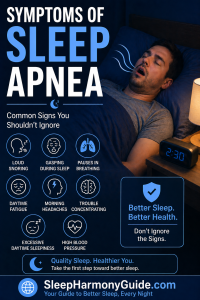
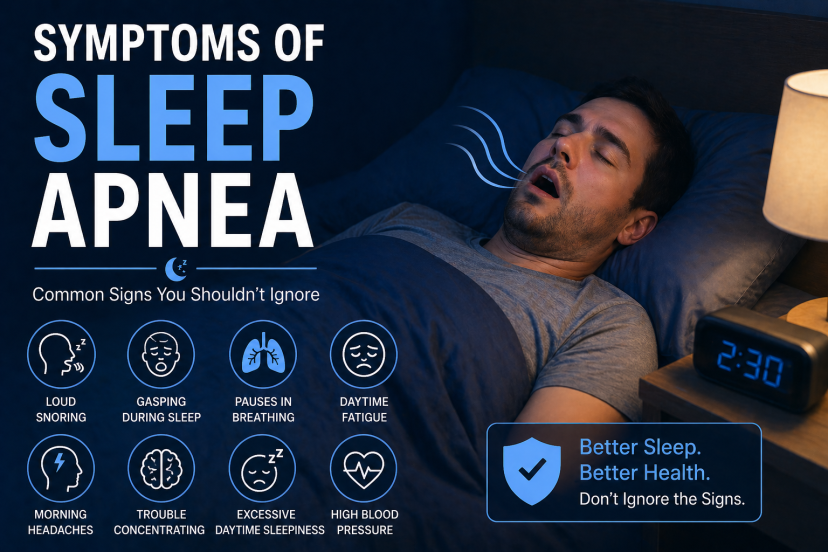
The most common symptoms of sleep apnea include:
- Loud, chronic snoring
- Pauses in breathing during sleep
- Gasping or choking at night
- Excessive daytime sleepiness
- Morning headaches
- Difficulty concentrating
👉 If you notice several of these, it’s worth getting evaluated.
🧠 What Is Sleep Apnea (Simple Explanation)
Sleep apnea is a condition where your breathing repeatedly stops and starts during sleep.
The most common type is obstructive sleep apnea (OSA), which occurs when:
- The airway becomes blocked or collapses
- Oxygen levels drop
- The brain wakes you up briefly to restart breathing
This can happen dozens or even hundreds of times per night.
👉 Even if you don’t remember waking up, your sleep is constantly disrupted.
😴 Most Common Symptoms Of Sleep Apnea
Let’s break down the key symptoms you should watch for.
😮💨 1. Loud, Persistent Snoring
Snoring is one of the most noticeable signs.
What To Look For:
- Loud, regular snoring
- Snoring that disturbs others
- Snoring with pauses or choking sounds
👉 Not all snoring is sleep apnea—but it’s a major red flag.
⛔ 2. Pauses In Breathing During Sleep
This is one of the clearest indicators.
Often Noticed By:
- A partner or family member
Signs:
- Breathing stops for a few seconds
- Followed by gasping or choking
👉 This is a key symptom that should never be ignored.
😵 3. Excessive Daytime Sleepiness
Do you feel tired even after a full night’s sleep?
Common Experiences:
- Falling asleep during the day
- Struggling to stay awake
- Low energy and motivation
👉 This happens because your sleep is constantly interrupted.
🤕 4. Morning Headaches
Frequent morning headaches can be a hidden sign.
Why It Happens:
- Reduced oxygen levels during sleep
- Poor sleep quality
🧠 5. Difficulty Concentrating (Brain Fog)
Sleep apnea affects your brain.
Symptoms:
- Trouble focusing
- Forgetfulness
- Slower thinking
👉 Poor sleep directly impacts cognitive performance.
😤 6. Waking Up Gasping Or Choking
This can feel alarming.
What It Feels Like:
- Sudden awakening
- Shortness of breath
- Feeling like you can’t get enough air
👉 This is your body reacting to a breathing interruption.
💔 7. Mood Changes And Irritability
Sleep affects your emotional health.
Common Signs:
- Irritability
- Anxiety
- Low mood
👉 Poor sleep can amplify stress and emotional instability.
🚽 8. Frequent Nighttime Urination
Waking up multiple times to use the bathroom may be linked to sleep apnea.
Why:
- Hormonal changes triggered by disrupted sleep
😓 9. Night Sweats
Some people experience excessive sweating during sleep.
This may be related to:
- Stress on the body
- Breathing disruptions
💤 10. Insomnia Or Restless Sleep
You may feel like you’re sleeping—but not resting.
Signs:
- Tossing and turning
- Waking up often
- Difficulty staying asleep
⚠️ Symptoms Of Sleep Apnea In Women
Sleep apnea can look different in women.
Common Signs In Women:
- Fatigue (more than sleepiness)
- Insomnia
- Anxiety or depression
- Morning headaches
👉 Women are often underdiagnosed because symptoms can be less obvious.
👶 Symptoms Of Sleep Apnea In Children
Children can also have sleep apnea.
Signs To Watch:
- Loud snoring
- Mouth breathing
- Bedwetting
- Hyperactivity
- Difficulty focusing
👉 In kids, it may appear as behavioral issues.
🔍 What Causes These Symptoms?
All symptoms come back to one issue:
👉 Interrupted breathing during sleep
This leads to:
- Lower oxygen levels
- Frequent awakenings
- Poor sleep quality
Your body never gets the deep, restorative sleep it needs.
🚫 Risk Factors For Sleep Apnea
Some people are more likely to develop it.
Common Risk Factors:
- Being overweight
- Large neck circumference
- Smoking
- Alcohol use
- Family history
- Nasal congestion
👉 But it can affect anyone—even people without these risk factors.
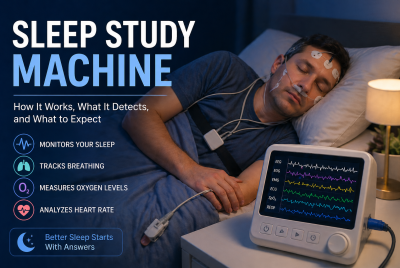
🧪 When Should You Get Tested?
You should consider a sleep study if you:
- Snore loudly and regularly
- Feel excessively tired during the day
- Wake up gasping or choking
- Have multiple symptoms listed above
👉 A sleep study is the only way to confirm a diagnosis.
🛠️ What Happens After Diagnosis?
If diagnosed, treatment options may include:
- CPAP machine (most common)
- Lifestyle changes
- Oral appliances
- Positional therapy
👉 Treatment can dramatically improve sleep and health.
⏳ What Happens If Sleep Apnea Is Untreated?
Ignoring symptoms can lead to serious issues:
- High blood pressure
- Heart problems
- Diabetes risk
- Memory issues
- Chronic fatigue
👉 Early detection makes a big difference.
🧩 How To Reduce Symptoms Naturally (Supportive Tips)
While not a cure, these can help:
- Sleep on your side
- Maintain a healthy weight
- Avoid alcohol before bed
- Improve sleep hygiene
- Use supportive pillows
🚫 Common Myths About Sleep Apnea
❌ “Only overweight people have it”
Not true—many people with normal weight have sleep apnea.
❌ “Snoring is harmless”
It can be a sign of a serious condition.
❌ “I would know if I had it”
Many symptoms happen during sleep.
❓ FAQ: Symptoms Of Sleep Apnea
Can You Have Sleep Apnea Without Snoring?
Yes—though snoring is common, it’s not always present.
How Many Symptoms Do You Need?
Even a few key symptoms are worth checking.
Is Sleep Apnea Dangerous?
Yes—if untreated, it can impact long-term health.
Can Symptoms Come And Go?
Yes—especially with lifestyle changes or sleep position.
🌟 Final Thoughts: Don’t Ignore The Warning Signs
The symptoms of sleep apnea can be easy to miss—but they can have a big impact on your health and daily life.
If you recognize these signs:
👉 Take them seriously.
Because better sleep isn’t just about comfort—it’s about your overall well-being.
⚠️ Disclaimer
This content is for informational purposes only and is not intended as medical advice. Always consult a qualified healthcare professional if you have ongoing sleep problems or health concerns.
 Explore more: