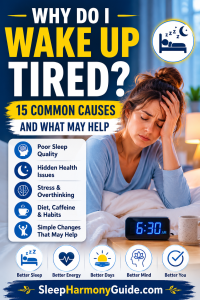
Why Do I Wake Up Tired? 15 Common Causes And What May Help

Have you ever slept for seven, eight, or even nine hours only to wake up feeling like you barely slept at all? If you’re asking yourself, “Why do I wake up tired?”, you’re far from alone.
Many adults struggle with poor sleep quality, frequent nighttime awakenings, racing thoughts, or simply never feeling refreshed in the morning. While it’s tempting to assume you just need more sleep, the truth is that how well you sleep often matters more than how long you sleep.
The good news is that many common causes of waking up tired can be improved with practical lifestyle changes, healthy sleep habits, and, when appropriate, guidance from a healthcare professional.
Let’s explore what may be happening—and what you can do to improve your nights and mornings.
Quick Answer
If you’re wondering why do I wake up tired, the answer often comes down to poor sleep quality rather than lack of sleep.
Common reasons include:
- Poor sleep hygiene
- Stress or anxiety
- Waking up during the night
- Sleep apnea
- Restless legs syndrome
- Too much caffeine or alcohol
- An uncomfortable sleep environment
- Hormonal changes
- Certain medications
- Underlying medical conditions
Fortunately, many of these issues can improve with consistent sleep habits and healthy lifestyle changes.
🌙 Why Do I Wake Up Tired Even After Sleeping?
Many people assume eight hours guarantees good rest.

Unfortunately, sleep isn’t just about time—it’s about moving through healthy sleep cycles that include deep sleep and REM sleep. If these stages are interrupted, your brain and body may never fully recover overnight.
Some people also experience non-restorative sleep, meaning they technically sleep but never feel refreshed.
😴 15 Common Causes Of Waking Up Tired
1. Poor Sleep Quality
You may spend plenty of time in bed, but experience light, fragmented sleep instead of restorative, deep sleep.
Signs include:
- Frequent waking
- Feeling groggy every morning
- Difficulty concentrating
- Low daytime energy
2. Stress And Anxiety
Stress is one of the most common reasons people ask, “Why do I wake up tired?”
When your brain stays alert overnight, you may:
- Wake several times
- Toss and turn
- Experience racing thoughts
- Wake before your alarm
Relaxation techniques before bed may help calm your nervous system.
3. Sleep Apnea
Sleep apnea causes repeated pauses in breathing during sleep.
Common warning signs include:
- Loud snoring
- Morning headaches
- Dry mouth
- Daytime fatigue
- A partner noticing breathing pauses
Sleep apnea should always be evaluated by a healthcare provider.

4. Restless Legs Syndrome
This condition creates uncomfortable sensations in the legs, making it difficult to fall asleep or stay asleep.
Many people don’t realize these movements continue during sleep, disrupting deep rest.
5. Too Much Caffeine
Coffee isn’t the only source of caffeine.
Energy drinks, soda, chocolate, and some medications can remain in your system for hours, making sleep lighter and less restorative.
Many sleep experts recommend limiting caffeine after early afternoon.
6. Alcohol Before Bed
Although alcohol may help you fall asleep faster, it often reduces sleep quality later in the night.
Many people wake repeatedly after drinking, even if they don’t remember it.
7. An Irregular Sleep Schedule
Going to bed at different times each night can confuse your body’s internal clock.
Your circadian rhythm works best with consistency—even on weekends.
8. Poor Sleep Hygiene
Simple habits matter more than many people realize.
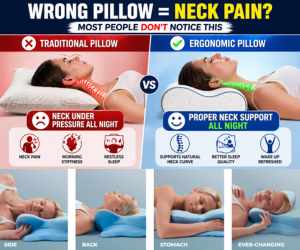
Poor sleep hygiene includes:
- Using your phone in bed
- Bright bedroom lights
- Watching TV late at night
- Eating heavy meals before bedtime
9. Bedroom Environment
Your bedroom should support sleep, not interrupt it.
Consider:
- Room temperature between 60°F and 67°F
- Blackout curtains
- Comfortable mattress
- Supportive pillow
- White noise machine if outside noise is an issue
Popular U.S. brands like Hatch, Yogasleep, and LectroFan offer white noise machines that many people find helpful.
10. Too Much Screen Time
Blue light from phones, tablets, and laptops may delay melatonin production.
Try reducing screen exposure for 30–60 minutes before bed.
11. Hormonal Changes
Hormonal shifts during pregnancy, menopause, or aging can affect sleep quality.
Night sweats, hot flashes, and changes in sleep patterns are common contributors.
12. Certain Medications
Some medications may interfere with sleep, including certain:
- Steroids
- Decongestants
- ADHD medications
- Some antidepressants
Never stop prescribed medication without speaking to your healthcare provider.
13. Depression Or Mood Changes
Depression doesn’t always cause sleeping too little.
Some people sleep longer than usual but still wake feeling exhausted because sleep quality is reduced.
14. Vitamin Or Mineral Deficiencies
Low iron, vitamin D, vitamin B12, or magnesium levels may contribute to fatigue in some people.
Your healthcare provider can determine whether testing is appropriate.
15. Chronic Medical Conditions
Conditions such as:
- Thyroid disorders
- Diabetes
- Chronic pain
- Heart disease
can all contribute to waking up tired.
Persistent fatigue deserves medical evaluation.
🌿 Natural Remedies That May Help You Wake Up Refreshed
Many adults find improvement through simple lifestyle changes rather than relying only on sleep medications.
Magnesium
Magnesium may help support muscle relaxation and healthy sleep in some individuals.
Discuss supplements with your healthcare provider before starting them.
Melatonin
Melatonin may be useful for certain sleep timing issues, jet lag, or shift work.
More is not always better.
Many experts recommend using the lowest effective dose.
Herbal Teas
Some caffeine-free herbal teas people enjoy before bed include:
- Chamomile
- Lemon balm
- Passionflower
- Lavender blends
While research is mixed, many people find them relaxing as part of a bedtime routine.
Relaxation Techniques
Try:
- Deep breathing
- Progressive muscle relaxation
- Meditation
- Gentle stretching
- Guided sleep stories
These techniques may help reduce nighttime anxiety.
🛏️ Lifestyle Habits That May Improve Sleep Quality
If you’re asking why do I wake up tired, improving daily habits often makes a noticeable difference.
Helpful Habits
- ✔ Wake up at the same time every day
- ✔ Get morning sunlight
- ✔ Exercise regularly
- ✔ Avoid heavy meals close to bedtime
- ✔ Limit alcohol
- ✔ Reduce caffeine later in the day
- ✔ Keep your bedroom cool and dark
- ✔ Reserve your bed for sleep and intimacy
- ✔ Avoid scrolling on your phone in bed
Consistency is often more important than perfection.
📱 Sleep Products That May Support Better Rest
Some adults find that technology helps them better understand their sleep habits.
Popular options include:
- Sleep trackers such as Fitbit, Apple Watch, Garmin, or Oura Ring
- White noise machines
- Sunrise alarm clocks
- Cooling pillows
- Weighted blankets (for those who find gentle pressure calming)
Remember that trackers estimate sleep stages and should not replace medical testing.
🌅 How To Wake Up Feeling More Refreshed
Instead of hitting snooze multiple times:
- Open the curtains immediately
- Drink a glass of water
- Get natural sunlight within 30 minutes
- Stretch gently
- Eat a balanced breakfast if you’re hungry
- Avoid checking stressful emails first thing
Small morning habits reinforce your body’s natural sleep-wake rhythm.
⚠️ When To See A Doctor
Occasional tired mornings are normal.
However, schedule an appointment with your healthcare provider or a sleep specialist if you:
- Wake up tired for several weeks despite getting enough sleep.
- Snore loudly or gasp during sleep.
- Frequently fall asleep during the day.
- Wake with headaches or high blood pressure.
- Have severe insomnia that affects work or daily life.
- Experience leg movements or unusual nighttime behaviors.
- Think that an underlying medical condition may be affecting your sleep.
A sleep study or additional evaluation may help identify treatable causes.
❓ FAQs: Why Do I Wake Up Tired?
Why do I wake up tired after 8 hours of sleep?
Poor sleep quality, interrupted sleep, stress, sleep disorders, or medical conditions may prevent your body from getting the restorative sleep it needs.
Is it normal to wake up tired every day?
No. While occasional tired mornings happen, waking up exhausted every day may signal a sleep or health issue worth discussing with a healthcare provider.
Can stress make me wake up tired?
Yes. Stress and anxiety can make it harder to enter deep, restorative sleep, even if you stay in bed all night.
Does magnesium help with sleep?
Some people find magnesium supports relaxation and sleep, but results vary. Talk with your healthcare provider before taking supplements.
Why do I wake up in the middle of the night?
Common reasons include stress, caffeine, alcohol, sleep apnea, hormonal changes, environmental disturbances, or an inconsistent sleep schedule.
How can I improve my sleep naturally?
Focus on consistent bedtimes, regular exercise, limiting caffeine late in the day, reducing screen time before bed, and creating a cool, quiet sleep environment.
Should I use melatonin every night?
Melatonin may help certain sleep issues, but it is not appropriate for everyone or every type of insomnia. Speak with your healthcare provider if you plan to use it regularly.
🌙 Final Thoughts
If you’ve been wondering why do I wake up tired, remember that waking exhausted isn’t something you simply have to accept. In many cases, small improvements in sleep hygiene, stress management, bedroom comfort, and daily routines can make a meaningful difference over time.
Start by changing one or two habits rather than trying to overhaul your entire routine overnight. Consistency, patience, and paying attention to how your body responds are often the keys to better sleep. And if your fatigue persists despite your best efforts, don’t hesitate to seek professional guidance—quality sleep is an important part of your overall health and well-being.
Disclaimer
This article is for educational purposes only and is not intended to diagnose, treat, cure, or prevent any medical condition. Always consult a qualified healthcare provider or sleep specialist regarding persistent sleep problems, excessive daytime fatigue, or before starting new supplements or making significant changes to your healthcare routine.
 Explore more: