How To Block Blinking LED Lights On Bedroom Appliances: 9 Easy Fixes
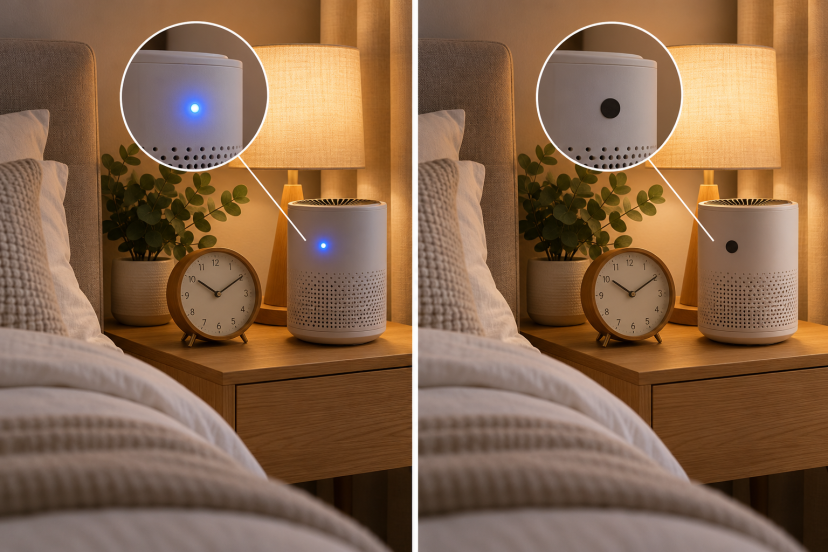
The easiest way to block blinking LED lights on bedroom appliances is to use removable LED blackout stickers, light-dimming film, or built-in display settings. For a cleaner bedroom appearance, reposition devices or use decorative cable organizers. Never cover ventilation openings, warning indicators, or lights required for safe operation.
Why Tiny Blinking Lights Can Ruin A Beautiful Bedroom
Learning how to block blinking LED lights on bedroom appliances is one of those surprisingly small home improvements that can make a noticeable difference to your bedroom’s atmosphere.
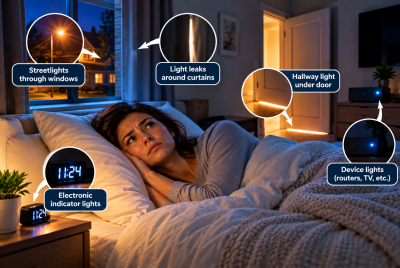
You might have carefully chosen soft bedding, neutral wall colors, elegant bedside furniture, and warm lighting. Yet a bright blue indicator on an air purifier, a flashing router light, or a glowing digital clock can interrupt the visual calm you’ve worked to create.
The problem becomes especially noticeable when the main bedroom lights are switched off.
Fortunately, reducing unwanted electronic light doesn’t require expensive renovations or complicated electrical modifications.
Whether you’re decorating a compact rental apartment or upgrading a spacious primary bedroom, several affordable solutions can help you create a darker, more visually balanced environment.
The secret is choosing the right method for each appliance while preserving ventilation, functionality, and important safety indicators.
9 Practical Ways To Block Blinking LED Lights On Bedroom Appliances
Here’s a quick comparison of the most useful options.
| Solution | Best For | Renter-Friendly |
|---|---|---|
| LED blackout stickers | Small status lights | Yes |
| Light-dimming film | Overly bright indicators | Yes |
| Built-in night mode | Digital appliances | Yes |
| Removable opaque tape | Temporary fixes | Usually |
| Repositioning appliances | Routers and chargers | Yes |
| Decorative storage | Small electronics | Yes, with ventilation |
| Cable management | Chargers and adapters | Yes |
| Display-off settings | Clocks and air purifiers | Yes |
| Replacing bright devices | Long-term minimalist styling | Yes |
1. Use LED Blackout Stickers For Small Indicator Lights
One of the simplest solutions is applying purpose-made LED blackout stickers directly over unwanted indicator lights.
These small adhesive covers are designed to block or reduce visible light from electronic devices.
They’re particularly useful for:
-
Television standby indicators
-
Air purifier status lights
-
Computer monitor power indicators
-
Nonessential charger LEDs
-
Decorative electronic displays
Blackout stickers are available in different shapes and sizes, making it easier to match the dimensions of individual indicator lights.
For a minimalist bedroom, small matte-black stickers often blend naturally into dark appliance surfaces.
Design tip: Choose covers slightly larger than the visible LED lens to prevent light escaping around the edges.
Only apply them to nonessential indicators, and check that the adhesive is compatible with the appliance’s finish.
2. Apply Light-Dimming Film Instead Of Blocking LEDs Completely
Sometimes you still want to see whether an appliance is operating, but its indicator is simply too bright.
Light-dimming film offers a useful compromise.
Rather than creating complete darkness, translucent adhesive material reduces the apparent brightness of the light.
This can work well for bedroom electronics where an operating indicator remains convenient.
When Dimming Film Makes More Sense
Consider dimming film when:
-
You want to identify whether a device is powered on.
-
A steady indicator is distracting but still useful.
-
You prefer a subtle modification rather than completely hiding the display.
-
You want the appliance to maintain its original appearance.
Dimming films vary in opacity, so the final result depends on the material and the brightness of the original LED.
Avoid placing film over sensors, touch controls, ventilation slots, or safety-related warning indicators.
3. Check For Built-In Night Mode Or Display-Off Settings
Before purchasing accessories, check whether your appliance already includes a display brightness adjustment.
Many modern bedroom electronics provide options such as night mode, display dimming, or automatic screen shutoff.
Depending on the model, these settings may be available through physical controls, an accompanying app, or a settings menu.
Appliances Worth Checking
Air purifiers, humidifiers, fans, digital clocks, and some smart home devices may include configurable display lighting.
Look for settings labeled:
-
Display Off
-
Night Mode
-
LED Brightness
-
Screen Dimmer
-
Sleep Mode
These features vary significantly between manufacturers.
Some devices allow the entire display to turn off, while others only reduce brightness or disable decorative lighting.
Best approach: Consult the manufacturer’s instructions before covering any lights. A built-in setting usually provides the cleanest solution without adding adhesive materials.
4. Try Removable Opaque Tape For A Temporary Fix
If you need an immediate solution, a small piece of opaque tape may help conceal a nonessential LED.
Matte black tape generally looks less noticeable on dark electronic housings than shiny materials.
However, ordinary household tape isn’t always ideal for long-term use.
Some adhesives leave residue, become difficult to remove, or discolor delicate finishes.
For rental apartments and premium bedroom accessories, removable materials specifically intended for electronics are preferable.
Test adhesive compatibility on an inconspicuous area where appropriate, and never place tape across openings or operational controls.
This approach is best treated as a temporary alternative rather than a permanent design upgrade.
5. Reposition Appliances So LEDs Face Away From The Bed
Sometimes the most elegant solution costs nothing.
Instead of covering an indicator, change the direction of the appliance so the light isn’t directly visible from your normal sleeping position.
For example, an air purifier might fit comfortably beside a dresser with its control panel angled away from the bed.
A router could sit on a suitable open shelf outside your direct line of sight.
A digital clock might work better on a side table positioned slightly behind the headboard line.
Think About Sightlines
Stand near the bedroom entrance and then sit or lie on your bed.
Notice which electronic lights are immediately visible.
Small adjustments to furniture placement can make a room feel considerably less dominated by technology.
However, never compromise an appliance’s required clearance, airflow, stability, accessibility, or wireless connectivity simply to hide its lights.
6. Use Decorative Storage To Conceal Small Electronics
A thoughtfully styled bedroom doesn’t need to display every piece of technology.
Decorative storage can help conceal appropriate small devices while maintaining a coordinated interior.
Consider using:
-
Open-backed cable management organizers
-
Ventilated router shelves
-
Bedside furniture with dedicated cable openings
-
Decorative trays for disconnected accessories
-
Wall-mounted organizers designed for electronic equipment
Natural wood, warm white, and matte neutral finishes work especially well in Scandinavian and contemporary interiors.
Important Safety Considerations
Do not place powered electronics inside ordinary closed storage boxes unless the manufacturer permits that arrangement.
Routers, charging equipment, power supplies, and other electronic devices can generate heat.
Keep ventilation openings unobstructed and follow all manufacturer clearance requirements.
For many devices, an open shelf or simple repositioning is safer than a fully enclosed decorative container.
7. Improve Cable Management Around Bedroom Chargers
Sometimes the real visual problem isn’t a single blinking LED.
It’s the collection of illuminated adapters, charging cables, extension cords, and electronic accessories surrounding the bed.
Reducing this clutter can make a bedroom feel more intentional.
Try positioning your charging station on a side shelf rather than directly beside your pillow.
Use reusable cable ties to organize loose cords and adhesive cable clips suitable for your furniture finish.
A bedside table with a dedicated cable opening can also help keep charging accessories visually discreet.
For a more analog-inspired bedroom, consider moving unnecessary charging equipment to a hallway, home office, or another convenient location.
Avoid tightly bundling power cords, covering power adapters, or placing energized charging equipment beneath bedding or other insulating materials.
8. Choose Digital Clocks With Adjustable Or Automatic Displays
Digital clocks are common sources of unwanted bedroom light.
Large illuminated numbers can become the most visually prominent feature of a bedside table after dark.
If your existing clock doesn’t offer brightness controls, consider replacing it with a model designed for nighttime use.
Useful features include adjustable display brightness, automatic dimming, and a display that activates only when needed.
Consider An Analog Alarm Clock
For bedrooms inspired by anti-tech minimalism, an analog alarm clock may be an attractive alternative.
Look for a simple face, quiet movement, and an understated design that complements your furniture.
A cream-colored clock with natural wood details can suit a Scandinavian bedroom, while a matte-black design may work beautifully in a contemporary space.
Not every analog clock is silent, so check whether the mechanism ticks audibly before purchasing.
9. Replace Persistent Bright Devices With Bedroom-Friendly Alternatives
If a particular appliance produces unavoidable blinking lights, replacing it may eventually be more practical than repeatedly modifying its appearance.
This is especially relevant when purchasing a new air purifier, fan, humidifier, or bedside accessory.
Look for products with clearly documented display-off functions or adjustable indicators.
Features Worth Prioritizing
A bedroom-friendly appliance should offer a balance of practical performance and restrained design.
Consider the location of its controls, the visibility of its indicator lights, the finish of its housing, and whether it can operate without unnecessary illuminated displays.
A simple white or neutral-colored appliance with discreet controls may integrate more naturally into a softly decorated bedroom.
There’s no need to replace functioning equipment solely for aesthetic reasons. Start with reversible adjustments and consider replacement when the appliance reaches the end of its useful life.
How To Incorporate LED Light Solutions Into Your Bedroom Design
Managing electronic lighting works best when it’s part of a broader bedroom styling plan.
Start by identifying the devices you genuinely need within reach of the bed.
Keep essential items accessible and move unnecessary electronics to less prominent locations.
For Small Apartment Bedrooms
Choose compact furniture with integrated cable management.
A narrow bedside table with an open lower shelf can accommodate appropriate electronics without making the tabletop look crowded.
Keep frequently used controls accessible and ensure that cords don’t create trip hazards.
For Scandinavian And Minimalist Bedrooms
Focus on visual simplicity.
Natural wood, soft white surfaces, linen textures, and restrained accessories help create a consistent design language.
Use neutral-colored cable organizers and avoid placing multiple illuminated devices on the same bedside surface.
For Contemporary And Luxury Bedrooms
Consider furniture with built-in cable passages and dedicated compartments designed for electronics.
Integrated charging areas can look attractive, but they must provide appropriate airflow and comply with the equipment manufacturer’s instructions.
Homeowners may consider professionally installed outlets in convenient locations, while renters can achieve similar visual improvements with removable organizers and furniture placement.
The goal isn’t to eliminate useful technology. It’s to make that technology feel less visually intrusive.
Common Mistakes To Avoid When Covering Bedroom LEDs
1. Covering Important Warning Lights
Some indicators communicate overheating, malfunction, low battery, or other conditions requiring attention.
Never conceal safety-critical warnings, smoke or carbon monoxide alarm indicators, or lights needed to monitor essential equipment.
2. Blocking Ventilation Openings
A small adhesive cover may appear harmless, but larger pieces of tape or fabric can obstruct airflow.
Apply covers only to suitable indicator lenses, never to ventilation openings.
3. Using Permanent Adhesives
Strong glue and unsuitable tape can damage plastic housings and painted finishes.
Removable accessories are generally better for rental homes and expensive electronics.
4. Hiding Electronics In Unventilated Containers
An attractive decorative box isn’t automatically suitable for powered equipment.
Choose storage designed for the device and follow its heat-clearance requirements.
5. Buying New Products Before Checking Settings
Many appliances already have useful display controls.
Checking the manual first can save money and preserve the appliance’s original appearance.
Frequently Asked Questions
Can You Safely Cover A Blinking LED On An Air Purifier?
You may be able to cover a nonessential indicator if the manufacturer permits it and the cover doesn’t interfere with controls, sensors, airflow, or warnings. Using the appliance’s built-in display-off feature is preferable when available.
What Is The Best Way To Dim A Bright Blue LED At Night?
Purpose-made light-dimming film can reduce the apparent brightness of a blue indicator while leaving it partially visible. For nonessential lights that don’t need to remain visible, a properly sized blackout sticker may be more effective.
How Can Renters Hide Bedroom Appliance Lights Without Damage?
Start with built-in brightness settings and appliance repositioning. Removable LED covers and furniture-based cable management can also help, provided they’re compatible with the equipment and surfaces.
Do LED Blackout Stickers Work On Flashing Router Lights?
Opaque stickers can physically block light from suitable router indicators, but those indicators may communicate connection or troubleshooting information. Check the router’s settings and documentation before concealing them, and keep the device properly ventilated.
Final Thoughts
Knowing how to block blinking LED lights on bedroom appliances can help you create a bedroom that feels more thoughtfully designed without making major changes.
Start with the simplest options: check appliance settings, reposition electronics, and use removable light covers where appropriate.
For a more refined result, combine discreet lighting management with organized charging areas, attractive bedside accessories, and furniture that accommodates everyday technology.
A comfortable bedroom doesn’t have to be completely technology-free.
With careful placement and a few practical adjustments, useful electronics can coexist with a calm, uncluttered, and beautifully styled interior.
Learn more on our Analog Bedroom Gear & The Anti-Tech Minimalist Aesthetic Hub
Explore more:
-
How To Make A Bedroom Quieter Without Major Renovations
-
Bedroom Lighting Ideas For A Calm, Minimalist Space
-
How To Reduce Visual Clutter In A Small Bedroom