Sleep Quality Vs Sleep Quantity: Which Matters More For Better Health?
Have you ever slept for eight or nine hours but still woke up feeling exhausted? Or maybe you’ve had a shorter night’s sleep and somehow felt surprisingly refreshed the next morning. If so, you’re not imagining things. Many adults focus on getting “enough hours” of sleep but overlook something just as important – sleep quality. If you regularly wake up tired, struggle with insomnia, wake several times during the night, or never feel fully rested, understanding sleep quality vs sleep quantity may be the missing piece.
The truth is that both matter, but they don’t always affect your body in the same way. Learning how they work together can help you improve your energy, mood, focus, and overall health.
⭐ Quick Answer: Sleep Quality Vs Sleep Quantity
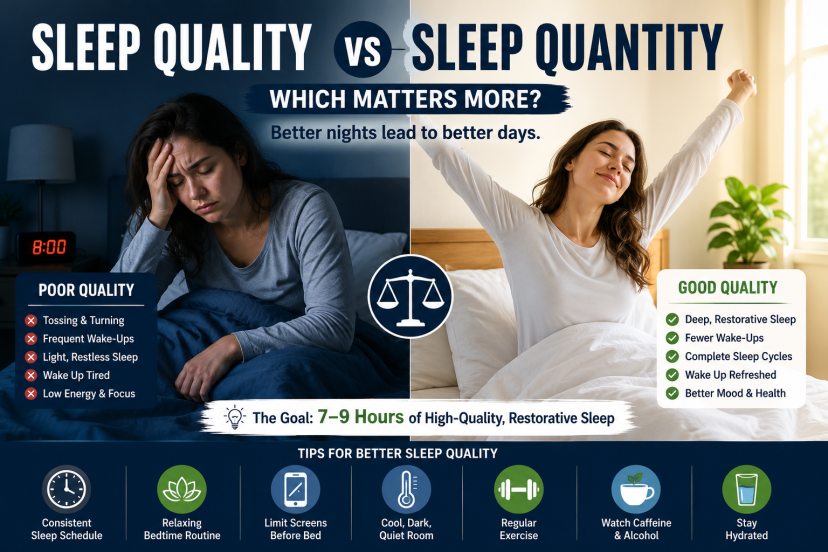
When comparing sleep quality vs sleep quantity, both are essential for good health. Sleep quantity refers to how long you sleep, while sleep quality refers to how restorative and uninterrupted your sleep is. Most adults need seven to nine hours of sleep, but even enough sleep may leave you tired if your sleep quality is poor.
Key Takeaways
Most likely cause: Feeling tired despite spending enough time in bed may be related to poor-quality or frequently interrupted sleep rather than simply not sleeping enough hours.
Usually serious? Not always. Occasional poor sleep is common, but persistent daytime tiredness or consistently unrefreshing sleep deserves attention, especially if it affects your daily life.
First thing to check: Look at both sides of sleep quality vs sleep quantity – how many hours you actually sleep and whether your sleep is restful, consistent, and relatively uninterrupted.
Best solution: Aim for enough sleep each night while improving sleep quality with a consistent schedule, comfortable bedroom, relaxing bedtime routine, and fewer nighttime disruptions. If ongoing sleep problems continue despite healthy sleep habits, consider discussing them with a healthcare professional.
🌙 Understanding Sleep Quality Vs Sleep Quantity
Although people often use the terms interchangeably, they describe two different aspects of healthy sleep.
What Is Sleep Quantity?
Sleep quantity simply refers to the total number of hours you sleep each night.
For most healthy adults, experts recommend:
- 🛌 7–9 hours each night
- Consistent sleep and wake times
- Enough time to complete multiple sleep cycles
Sleeping significantly less—or much more—may increase the risk of health problems over time.
What Is Sleep Quality?
Sleep quality describes how well you sleep while you’re in bed.

High-quality sleep means:
- Falling asleep within a reasonable amount of time
- Sleeping through most of the night
- Spending enough time in deep sleep and REM sleep
- Waking up feeling refreshed
- Feeling alert during the day
Someone who sleeps eight hours but wakes up repeatedly may have worse sleep quality than someone who sleeps seven uninterrupted hours.
😴 Why Sleep Quality Often Matters More Than Sleep Quantity
When discussing sleep quality vs sleep quantity, sleep quality is often the missing factor for people who wake up exhausted.
Your body performs its most important overnight recovery during deep sleep and REM sleep.
These stages help:
- Repair muscles
- Strengthen memory
- Balance hormones
- Support immune health
- Process emotions
- Restore energy
- Regulate metabolism
If these stages are interrupted, longer sleep may not provide the restorative benefits your body needs.
🌜 What Causes Poor Sleep Quality?
Several factors can reduce sleep quality even if you spend plenty of time in bed.
Stress And Anxiety
One of the biggest causes of poor-quality sleep is chronic stress.
Stress may cause:
- Racing thoughts
- Frequent waking
- Muscle tension
- Difficulty falling asleep
- Restless sleep
Sleep Apnea
Sleep apnea repeatedly interrupts breathing during sleep.

Many people don’t realize they’re waking dozens—or even hundreds—of times throughout the night.
Common symptoms include:
- Loud snoring
- Morning headaches
- Dry mouth
- Daytime fatigue
- Waking up gasping
Insomnia
Difficulty falling asleep or staying asleep naturally reduces sleep quality.
Even if you remain in bed long enough, fragmented sleep prevents full recovery.
Alcohol Before Bed
Alcohol often helps people fall asleep faster but reduces restorative sleep later in the night.
This is one reason people may sleep longer yet wake feeling tired.
Screen Time Before Bed
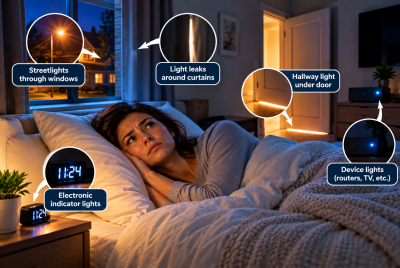
Blue light from phones, tablets, and televisions may delay melatonin production and make it harder to achieve quality sleep.
Try avoiding screens during the final hour before bedtime.
Poor Sleep Environment
Your bedroom should encourage uninterrupted sleep.
Common problems include:

- Bright lights
- Excessive noise
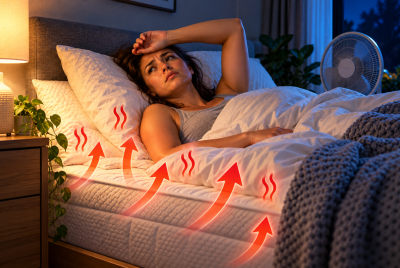
- Warm temperatures
- Uncomfortable mattress
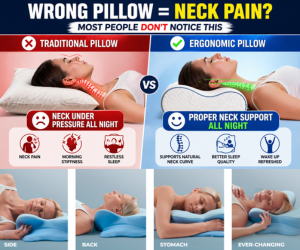
- Poor pillow support
Small changes often improve sleep dramatically.
🌞 Signs Your Sleep Quality Needs Improvement
You may have poor sleep quality if you regularly experience:
- Morning fatigue
- Brain fog
- Frequent nighttime waking
- Difficulty concentrating
- Low energy
- Irritability
- Morning headaches
- Excessive daytime sleepiness
These symptoms often occur even when sleeping seven to nine hours.
🌿 How To Improve Sleep Quality Vs Sleep Quantity
The good news is that many healthy habits support both.
Keep A Consistent Sleep Schedule
Go to bed and wake up at approximately the same time every day.
Consistency strengthens your body’s natural circadian rhythm.
Create A Relaxing Bedtime Routine
Help your brain prepare for sleep by developing calming habits.
Examples include:

- Reading
- Warm bath
- Meditation
- Gentle stretching
- Soft music
- Journaling
Repeating these activities nightly helps signal that it’s time to sleep.
Optimize Your Bedroom
Your bedroom should be cool, dark, quiet, and comfortable.
Helpful sleep products include:
- Blackout curtains
- White noise machines
- Cooling mattresses
- Comfortable pillows
- Breathable bedding
Many Americans also use sleep trackers like Fitbit, Garmin, Apple Watch, or Oura Ring to monitor sleep patterns.
Exercise Regularly
Physical activity promotes deeper sleep and better recovery.
Good choices include:
- Walking
- Swimming
- Cycling
- Yoga
- Strength training
Avoid vigorous exercise immediately before bedtime.
Get Morning Sunlight
Natural light shortly after waking helps regulate your internal body clock.
Aim for 15–30 minutes outdoors each morning whenever possible.
Limit Caffeine And Alcohol
Both caffeine and alcohol may interfere with sleep quality.
Try limiting caffeine during the afternoon and reducing alcohol before bedtime.
🌸 Supplements That May Support Better Sleep
Some adults benefit from supplements alongside healthy sleep habits.
Melatonin
Melatonin may help regulate sleep timing, particularly after travel or shift work.
Magnesium Glycinate
Magnesium supports healthy muscle relaxation and nervous system function.
Chamomile Tea
Chamomile has long been enjoyed as a calming bedtime tea.
Lemon Balm
Lemon balm may promote relaxation before sleep for some people.
Valerian Root
Some research suggests valerian root may improve sleep quality, although findings remain mixed.
Always consult your healthcare provider before starting supplements.
⚖️ Sleep Quality Vs Sleep Quantity: Which Should You Prioritize?
Rather than choosing one over the other, aim for both.
Think of it this way:
| Sleep Quantity | Sleep Quality |
|---|---|
| Total hours slept | How restorative your sleep is |
| Helps complete sleep cycles | Determines how well those cycles work |
| Supports physical recovery | Supports mental and physical restoration |
| Too little increases fatigue | Poor quality increases fatigue even after enough sleep |
The healthiest goal is to consistently get 7–9 hours of high-quality sleep.
📖 Learn More About Why You Wake Up Tired
If you often wake feeling exhausted despite sleeping enough hours, our related guide may help:
Why Do I Wake Up Tired? 15 Common Causes And What May Help
https://sleepharmonyguide.com/why-do-i-wake-up-tired-15-common-causes-and-what-may-help
It explains common reasons for persistent morning fatigue and offers practical strategies for improving your sleep.
🩺 When To See A Doctor
Occasional poor sleep happens to everyone.
However, consult a healthcare provider or sleep specialist if you:
- Wake up tired for several weeks
- Snore loudly
- Stop breathing during sleep
- Frequently wake gasping
- Experience severe daytime sleepiness
- Have persistent morning headaches
- Struggle with chronic insomnia
- Don’t improve after making healthy lifestyle changes
A sleep study may help identify treatable sleep disorders.
❓ FAQs: Sleep Quality Vs Sleep Quantity
1. Is sleep quality more important than sleep quantity?
Both matter. However, poor sleep quality can leave you feeling exhausted even if you sleep eight or nine hours.
2. How many hours of quality sleep do adults need?
Most healthy adults need between seven and nine hours of good-quality sleep each night.
3. What reduces sleep quality?
Stress, sleep apnea, insomnia, alcohol, caffeine, excessive screen time, noise, and poor sleep environments commonly reduce sleep quality.
4. Can I feel tired after sleeping eight hours?
Yes. Interrupted sleep, poor sleep quality, and certain health conditions can prevent restorative sleep.
5. Do sleep trackers accurately measure sleep quality?
Consumer sleep trackers provide helpful estimates but are not as accurate as professional sleep studies.
6. Which supplements may improve sleep quality?
Melatonin, magnesium glycinate, chamomile, lemon balm, and valerian root may help some adults. Consult your healthcare provider first.
7. How can I improve both sleep quality and sleep quantity?
Maintain a consistent sleep schedule, reduce stress, limit caffeine and alcohol, exercise regularly, and create a comfortable sleep environment.
🎯 Final Thoughts On Sleep Quality Vs Sleep Quantity
When comparing sleep quality vs sleep quantity, the answer isn’t choosing one over the other—it’s understanding that both work together to support healthy, restorative sleep.
Getting enough hours is important, but those hours also need to include uninterrupted, high-quality sleep that allows your body and mind to recover fully. If you consistently wake up tired despite spending plenty of time in bed, improving your sleep quality may make a bigger difference than simply sleeping longer.
Start with small, sustainable changes. Build a relaxing bedtime routine, stick to a regular sleep schedule, create a sleep-friendly bedroom, and address any underlying health concerns. Over time, these healthy habits can help you wake up feeling more refreshed, energized, and ready to enjoy your day.
Disclaimer: This article is for educational and informational purposes only and should not be considered medical advice. It is not intended to diagnose, treat, cure, or prevent any medical condition. Always consult a qualified healthcare provider before starting supplements, changing medications, or making significant changes to your sleep routine. If you experience ongoing fatigue, suspected sleep disorders, or other concerning symptoms, seek medical evaluation promptly.
 Explore more:
- Why Can’t I Sleep When My Room Is Too Hot?
- Why Do I Feel More Tired After Sleeping?
- Why Do I Wake Up Sweating But My Room Is Cool?