Why Do I Keep Waking Up In The Middle Of The Night? 12 Common Causes And What May Help
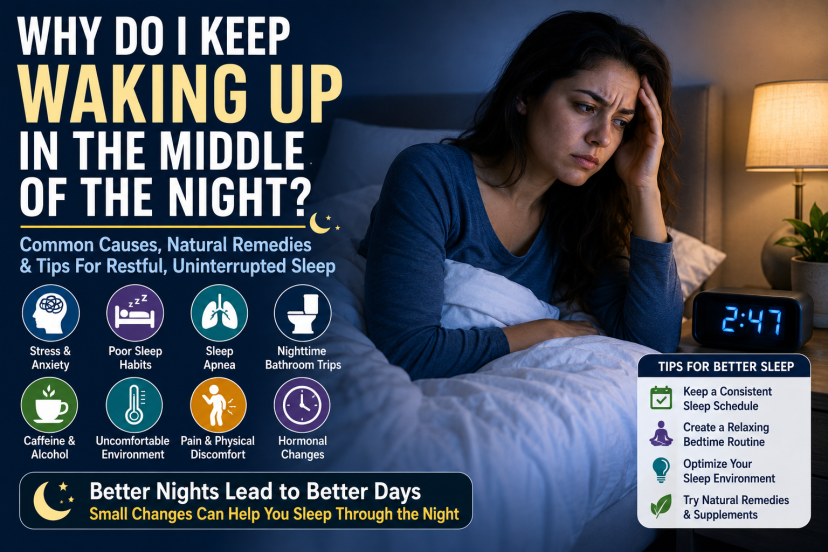
Have you ever glanced at the clock at 2:47 a.m., 3:18 a.m., or 4:05 a.m. and wondered why you’re awake again? You aren’t alone. Millions of adults experience waking up in middle of night, only to spend precious minutes—or even hours—trying to fall back asleep. Some wake because their mind won’t stop racing. Others wake to use the bathroom, because of discomfort, or for no obvious reason at all.
Occasionally waking during the night is normal. In fact, everyone briefly wakes several times while transitioning between sleep cycles. The problem begins when those awakenings become frequent, prolonged, or leave you feeling exhausted the next morning.
Understanding why you’re waking up in the middle of the night can help you identify simple lifestyle changes—or underlying health conditions—that may improve your sleep and help you wake feeling refreshed.
⭐ Quick Answer: Why Do I Keep Waking Up In The Middle Of The Night?
Waking up in the middle of the night can be caused by stress, anxiety, insomnia, sleep apnea, frequent urination, room temperature, alcohol, caffeine, medications, pain, hormonal changes, or other medical conditions. Improving sleep hygiene and treating underlying causes may help reduce nighttime awakenings.
⭐ Key Takeaways
Most likely cause: Nighttime awakenings often happen because of stress, changes between sleep cycles, needing to use the bathroom, an uncomfortable sleep environment, caffeine or alcohol, pain, or disrupted sleep habits.
Usually serious? Usually not. Brief awakenings are a normal part of sleep, but frequent or prolonged awakenings that affect daytime energy can sometimes be associated with insomnia, sleep apnea, medications, or other health conditions.
First thing to check: Pay attention to when you wake, how long you stay awake, and possible triggers such as stress, noise, room temperature, evening fluids, caffeine, alcohol, discomfort, or snoring and breathing disturbances.
Best solution: If you’re regularly waking up in the middle of the night, start by improving your sleep routine and bedroom environment while addressing obvious triggers. Persistent sleep disruption, especially with significant daytime sleepiness or breathing symptoms, is worth discussing with a healthcare professional.
🌙 Why Waking Up In Middle Of Night Happens
Sleep isn’t one continuous state.
Throughout the night, your brain cycles through:
- Light sleep
- Deep sleep
- REM (Rapid Eye Movement) sleep
Between these stages, brief awakenings naturally occur. Most people don’t remember them because they fall asleep again quickly.
However, if something interrupts your sleep at those moments, you may become fully awake and struggle to return to sleep.

Repeated interruptions reduce sleep quality and often leave you feeling tired, groggy, and mentally foggy the next day.
😴 Common Causes Of Waking Up In Middle Of Night
Stress And Anxiety
One of the most common reasons for waking up in the middle of the night is stress.
When your brain stays alert, it becomes much harder to remain asleep.
Stress may cause:
- Racing thoughts
- Muscle tension
- Increased heart rate
- Difficulty relaxing
- Early morning awakenings
Learning relaxation techniques may help calm your nervous system before bedtime.
Insomnia
People with insomnia often have no trouble falling asleep but repeatedly wake during the night.
Chronic insomnia may be triggered by:
- Stress
- Anxiety
- Poor sleep habits
- Medical conditions
- Certain medications
Sleep Apnea
Sleep apnea causes breathing to repeatedly stop and restart during sleep.
Each pause briefly wakes your brain—even if you don’t remember it.
Symptoms include:

- Loud snoring
- Morning headaches
- Dry mouth
- Daytime fatigue
- Waking gasping for air
Sleep apnea should always be evaluated by a healthcare provider.
Needing To Use The Bathroom (Nocturia)
Many adults wake because they need to urinate.
Common reasons include:
- Drinking too much before bed
- Caffeine
- Alcohol
- Diabetes
- Enlarged prostate
- Certain medications
Reducing evening fluids may help some people.
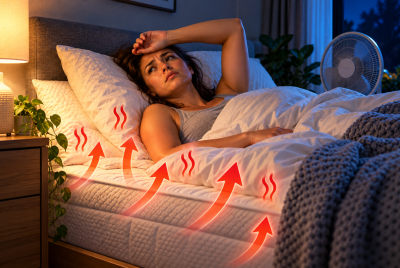
Room Temperature
A bedroom that’s too warm or too cold may interrupt sleep.
Most sleep experts recommend keeping bedrooms cool—generally around 60–67°F (16–19°C) for many adults.
Alcohol Before Bed
Although alcohol may initially make you sleepy, it often disrupts the second half of the night.
Many people experience lighter sleep and more frequent awakenings after drinking alcohol.
Caffeine Too Late In The Day
Caffeine can remain active in your body for several hours.
Coffee, energy drinks, soda, tea, and even chocolate may interfere with staying asleep.

Pain Or Physical Discomfort
Pain from arthritis, back pain, neck pain, or injuries often becomes more noticeable overnight.
Proper mattress support and discussing chronic pain with your healthcare provider may improve sleep.
Hormonal Changes
Hormonal shifts may contribute to nighttime awakenings.
Examples include:
- Menopause
- Pregnancy
- Thyroid disorders
Night sweats and hot flashes are common reasons for disrupted sleep.
Medications
Certain medications may increase nighttime awakenings.
Examples include:
- Diuretics
- Steroids
- Some antidepressants
- ADHD medications
- Decongestants
Always consult your healthcare provider before making medication changes.

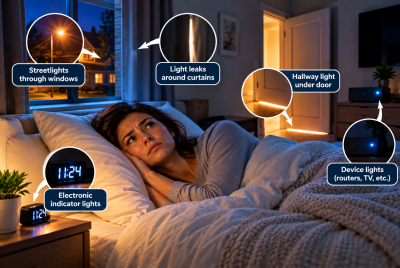
Poor Sleep Environment
Your bedroom should support uninterrupted sleep.
Common sleep disruptors include:
- Outside noise
- Bright lights
- Uncomfortable bedding
- Electronics
- Pets
Even small improvements can make a meaningful difference.
Underlying Medical Conditions
Sometimes waking up in the middle of the night may be linked to:
- Acid reflux (GERD)
- Asthma
- Depression
- Restless legs syndrome
- Chronic pain
- Thyroid disorders
- Heart disease
Persistent symptoms deserve medical evaluation.
🌿 Natural Remedies For Waking Up In Middle Of Night
Many people improve their sleep with healthy lifestyle changes.
Build A Consistent Sleep Schedule
Go to bed and wake up at the same time every day—even on weekends.
Consistency helps regulate your body’s internal clock.
Create A Relaxing Bedtime Routine
Help your brain transition into sleep with calming activities.
Examples include:

- Reading
- Meditation
- Warm bath
- Gentle stretching
- Soft music
- Journaling
Repeating these activities each night strengthens healthy sleep habits.
Limit Evening Screen Time
Blue light from phones, tablets, and televisions may reduce natural melatonin production.
Try avoiding screens for at least one hour before bed.
Improve Your Bedroom
Create an environment designed for sleep.
Helpful additions include:
- Blackout curtains
- White noise machines
- Cooling bedding
- Comfortable mattress
- Supportive pillow
Many U.S. households also use sleep trackers like Fitbit, Apple Watch, Garmin, or Oura Ring to monitor sleep patterns.
Reduce Evening Fluids
If bathroom trips frequently wake you, try:
- Drinking more fluids earlier in the day
- Reducing beverages within two hours of bedtime
- Limiting alcohol
🌸 Supplements That May Support Better Sleep
Some adults find supplements helpful when combined with healthy sleep habits.
Melatonin
Melatonin may help regulate your sleep schedule.
Magnesium Glycinate
Magnesium supports muscle relaxation and healthy nervous system function.
Chamomile Tea
Chamomile is widely used as a calming bedtime beverage.
Lemon Balm
Lemon balm may encourage relaxation for some individuals.
Valerian Root
Some studies suggest valerian root may improve sleep quality, although results vary.
Always speak with your healthcare provider before starting supplements.
☀️ Lifestyle Habits That May Help You Sleep Through The Night
Healthy daytime habits often improve nighttime sleep.
Get Morning Sunlight
Morning sunlight helps regulate your circadian rhythm.
Aim for 15–30 minutes outside shortly after waking.
Exercise Regularly
Moderate exercise may:
- Improve sleep quality
- Reduce stress
- Increase deep sleep
- Support healthy energy levels
Avoid intense workouts immediately before bedtime.
Manage Stress During The Day
Reducing stress before bedtime often decreases nighttime awakenings.
Helpful strategies include:
- Deep breathing
- Meditation
- Mindfulness
- Prayer
- Counseling
- Spending time outdoors
Watch Your Evening Meals
Heavy meals close to bedtime may trigger acid reflux and discomfort.
Choose lighter dinners whenever possible.
📖 Learn More About Why You Wake Up Tired
If you’re frequently waking up in the middle of the night, you may also enjoy our related guide:
Why Do I Wake Up Tired? 15 Common Causes And What May Help
https://sleepharmonyguide.com/why-do-i-wake-up-tired-15-common-causes-and-what-may-help
It explores additional reasons you may wake feeling exhausted and offers practical solutions to improve your sleep.
🩺 When To See A Doctor
Occasional nighttime awakenings are normal.
However, consult a healthcare provider or sleep specialist if you:
- Wake several times every night
- Struggle to fall back asleep
- Snore loudly
- Wake gasping for air
- Experience severe daytime fatigue
- Have persistent morning headaches
- Notice worsening anxiety or depression
- Continue waking despite healthy sleep habits
A sleep study or medical evaluation may identify treatable sleep disorders.
❓ Frequently Asked Questions
1. Is waking up in the middle of the night normal?
Yes. Brief awakenings are part of normal sleep, but frequent or prolonged awakenings that affect your daily life may indicate an underlying issue.
2. Why do I wake up at the same time every night?
Stress, your body’s natural sleep cycle, medications, blood sugar changes, or environmental factors may contribute.
3. Does anxiety cause nighttime awakenings?
Yes. Anxiety often causes racing thoughts and increased alertness that make it difficult to stay asleep.
4. Can dehydration cause waking up in the middle of the night?
Dehydration itself is less common, but drinking excessive fluids late in the evening may increase nighttime bathroom trips.
5. Which supplements may help me stay asleep?
Melatonin, magnesium glycinate, chamomile, lemon balm, and valerian root may help some adults. Always consult your healthcare provider first.
6. Is it okay to look at my phone if I wake up?
It’s generally better to avoid phones because blue light may make it harder to fall back asleep.
7. When should I worry about waking up during the night?
If it happens frequently, causes significant daytime fatigue, or is accompanied by loud snoring, breathing pauses, chest pain, or other concerning symptoms, seek medical evaluation.
🌅 Conclusion
Experiencing waking up in middle of night can be frustrating, but it’s often a sign that something is disrupting your normal sleep cycle—not that you’re destined to sleep poorly forever.
By improving your bedtime routine, reducing stress, creating a comfortable sleep environment, limiting evening caffeine and alcohol, and addressing any underlying medical concerns, you can often reduce nighttime awakenings and enjoy more restorative sleep.
Remember that lasting improvements usually come from small, consistent habits rather than quick fixes. Start with one or two healthy changes tonight, be patient with the process, and give your body time to adjust. Better nights often lead to brighter, more energized mornings.
Disclaimer: This article is intended for educational and informational purposes only and should not be considered medical advice. It is not a substitute for professional diagnosis or treatment. Always consult a qualified healthcare provider before starting supplements, changing medications, or making significant changes to your sleep routine. If you experience persistent sleep problems, suspected sleep disorders, or other concerning symptoms, seek medical evaluation promptly.
 Explore more:
- Sleep Quality Vs Sleep Quantity
- Why Does My Bedroom Feel Damp?
- Why Do I Wake Up Sweating But My Room Is Cool?